
Best Harira Recipe For Ramadan
Harira is a rich, tomato-based Moroccan soup that breaks the fast during Ramadan and warms the soul all year round. This authentic harira recipe combines lentils, chickpeas, and fresh herbs in a deeply spiced broth that's both comforting and nourishing.
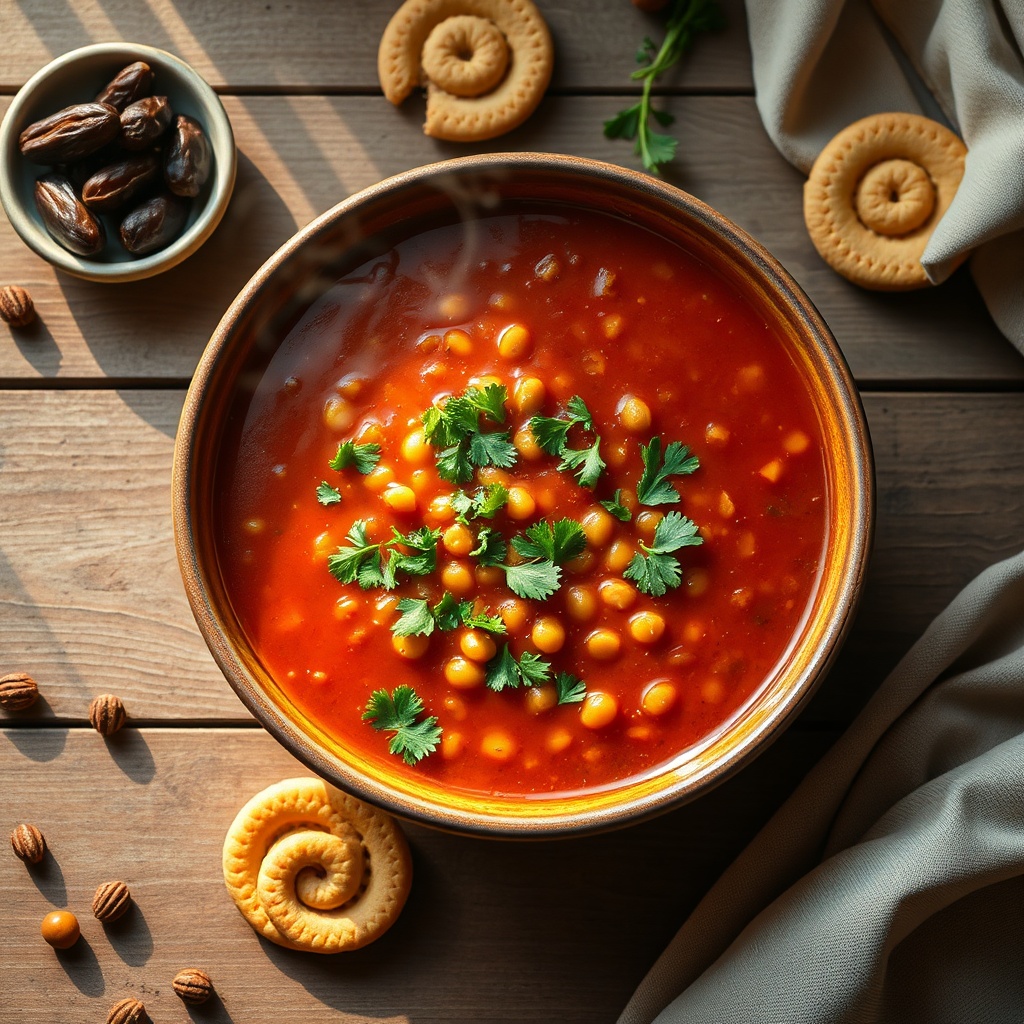
The soup's cultural significance in Morocco extends far beyond the holy month. Families gather around steaming bowls of harira, often served with dates and chebakia (a sesame-honey cookie), to mark the end of a day of fasting. The dish also shines as a beloved everyday meal, especially during cooler months.
This guide provides a complete, foolproof harira recipe, explains the cultural nuances behind this iconic dish, and shows you how to adapt it to your kitchen.
Key Takeaways
- Harira is a hearty Moroccan soup made with tomatoes, lentils, chickpeas, and a blend of warming spices, typically thickened with flour or rice. - The signature flavor comes from a base of sautéed onion, celery, and garlic, plus a unique spice mix including ginger, cinnamon, and turmeric. - There are two main variations: a meat-based version (traditional) and a vegetarian version — both are equally delicious. - The soup is traditionally served during Ramadan to break the fast, but it's also a beloved everyday meal in Morocco. - Key to a perfect harira: bloom the spices, simmer slowly, and add the fresh herbs (cilantro and parsley) at the end to preserve their aroma.
The Complete Answer: What Is Harira and How Do You Make It?
*Hero image showcasing the finished harira soup with culturally significant side dishes.*
**Quick Answer:** Harira is a traditional Moroccan tomato-based soup made with lentils, chickpeas, and fresh herbs, thickened with flour or rice. It's the classic dish for breaking the fast during Ramadan and is also enjoyed as a hearty everyday meal.
Harira Defined: The Moroccan National Soup
**Definition:** Harira is a traditional Moroccan soup made from a tomato base, lentils, chickpeas, and a blend of warming spices, thickened with flour or rice and finished with fresh herbs.
Harira holds a special place in Moroccan cuisine as the quintessential soup for breaking the fast during Ramadan. The rich, savory broth provides essential nutrients after a long day of fasting, while the aromatic spices offer warmth and comfort. Beyond Ramadan, harira appears at family gatherings, weddings, and festive occasions, symbolizing hospitality and togetherness.
The soup's foundation is a fragrant tomato broth enriched with green lentils and chickpeas. Traditional recipes also include a small amount of vermicelli noodles or rice for body. The finishing touch is a generous handful of chopped cilantro and parsley, which brightens the dish with fresh herbal notes.
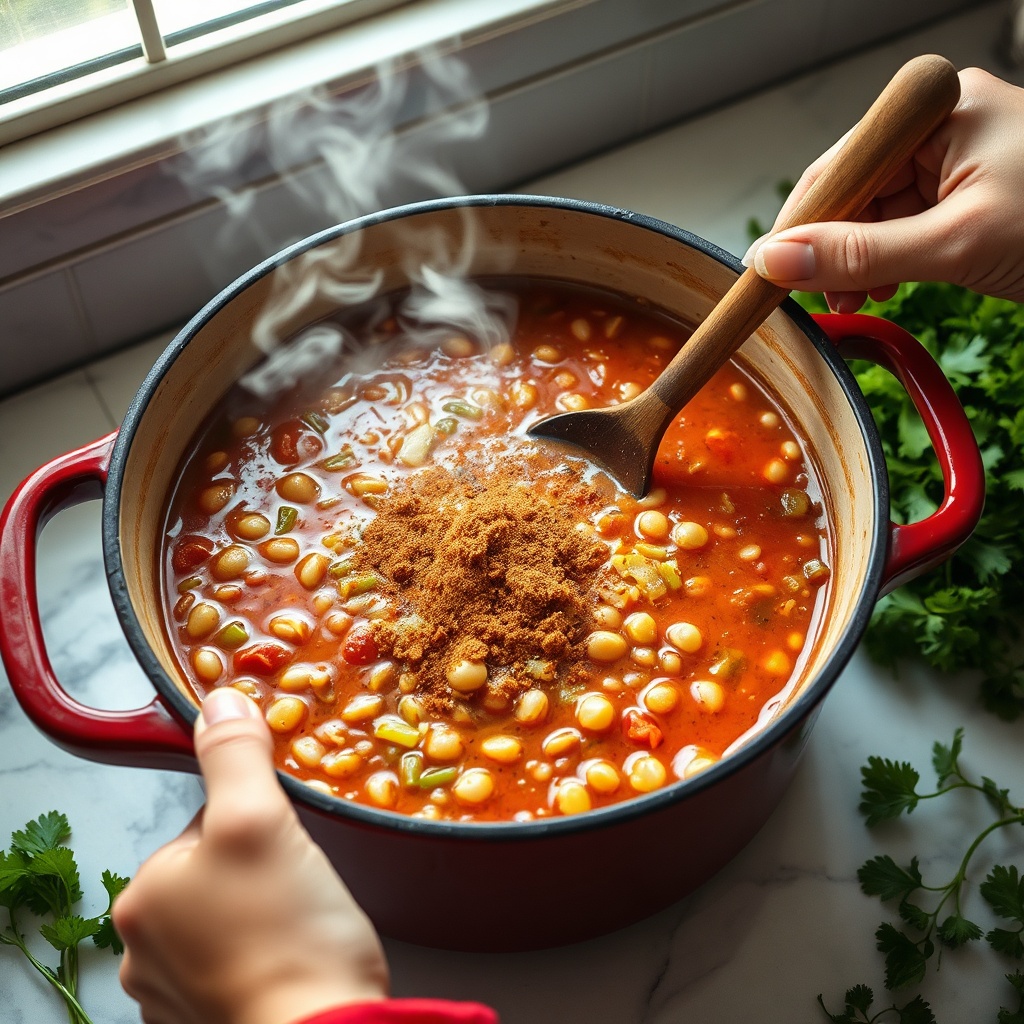
*Step-by-step cooking image highlighting the signature spices, legumes, and slow-simmer technique.*
The Core Harira Recipe — Essential Ingredients
Before you begin, gather the following pantry staples for this authentic harira recipe:
**Aromatics and base:** - Olive oil - 1 large onion, finely chopped - 2-3 celery stalks, finely chopped - 3-4 garlic cloves, minced - 2 tablespoons tomato paste - 1 can (14 oz) crushed tomatoes or 4-5 fresh tomatoes, grated
**Proteins and legumes:** - ½ cup dried green or brown lentils, rinsed - 1 can (15 oz) chickpeas, drained and rinsed - Optional: ½ lb lamb or beef, cut into small cubes
**Spices:** - 1 teaspoon ground ginger - 1 teaspoon ground turmeric - ½ teaspoon ground cinnamon - ½ teaspoon black pepper - 1 teaspoon paprika - Pinch of saffron threads (optional, for a delicate floral aroma)
**Thickening agent:** - 3 tablespoons flour mixed with ½ cup water (or ¼ cup rice, or ½ cup vermicelli)
**Fresh herbs and finishing:** - Large bunch of fresh cilantro, finely chopped - Large bunch of fresh parsley, finely chopped - Salt to taste - Lemon wedges for serving
Step-by-Step: How to Cook Harira
Follow these steps for a perfect harira every time:
1. **Sauté the aromatics.** Heat 3 tablespoons of olive oil in a large pot over medium heat. Add the chopped onion, celery, and garlic, and cook until soft and translucent, about 5-7 minutes.
2. **Bloom the spices.** Add the ginger, turmeric, cinnamon, black pepper, and paprika. Stir constantly for 1 minute until the spices become fragrant. This step releases their essential oils and deepens the flavor.
3. **Cook the tomato base.** Stir in the tomato paste and crushed tomatoes. Cook for 5 minutes, stirring occasionally, until the mixture darkens and thickens slightly.
4. **Brown the meat (if using).** Add the diced lamb or beef and cook for 5-7 minutes, turning occasionally, until lightly browned on all sides.
5. **Add liquid and lentils.** Pour in 6-8 cups of water or broth. Add the rinsed lentils and bring the mixture to a boil. Reduce the heat to low, cover, and simmer for 30-40 minutes, until the lentils are tender.
6. **Add the chickpeas.** Stir in the drained chickpeas and continue simmering for another 10 minutes to let the flavors meld.
7. **Thicken the soup.** If using flour, whisk the flour with ½ cup of cold water to make a smooth slurry. Gradually pour it into the soup while stirring continuously. Simmer for 5-10 more minutes until the soup reaches a silky, velvety consistency. If using rice or vermicelli, add them at step 5 instead.
8. **Finish with fresh herbs.** Stir in the chopped cilantro and parsley just before serving. Season with salt to taste. Serve hot with lemon wedges on the side.
The Two Main Harira Variations: Meat vs. Vegetarian
Traditional Harira with Lamb or Beef
The traditional harira recipe calls for small cubes of lamb or beef. The meat adds a deep, savory richness that permeates the entire broth. Choose cuts like lamb shoulder or beef chuck, which become tender and flavorful after long, slow simmering.
Browning the meat before adding liquid is crucial. This step, known as the Maillard reaction, creates complex flavors that form the backbone of the soup. The browned bits at the bottom of the pot (the fond) dissolve into the broth, adding depth that can't be achieved otherwise.
Vegetarian Harira — A Lighter, Plant-Based Option
A vegetarian harira recipe is equally authentic and satisfying. You can simply omit the meat and rely on the lentils and chickpeas for protein. To make the soup heartier, add extra vegetables like diced carrots or zucchini along with the lentils.
Vegetarian harira requires slightly less cooking time since there's no meat to tenderize. Monitor the lentils closely — they should be tender but still hold their shape. The liquid ratio also needs adjustment: use about 6 cups of water instead of 8, since vegetables release their own moisture during cooking.
Comparison Table: Meat Harira vs. Vegetarian Harira
| Aspect | Meat Harira | Vegetarian Harira | |--------|-------------|-------------------| | Base protein | Lamb or beef, plus lentils and chickpeas | Lentils and chickpeas only (optionally extra vegetables) | | Cooking time | 45-60 minutes (meat needs longer simmering) | 30-40 minutes | | Flavor profile | Deep, savory, and richly meaty | Bright, herbaceous, and vegetable-forward | | Best served with | Dates, chebakia, and lemon wedges | Same, plus crusty bread or a fresh salad | | Caloric density | Higher due to meat | Lower and lighter |
The Secret to Authentic Harira Flavor: The Spice Blend and Herbs
The Essential Harira Spice Mix
The distinctive flavor of authentic harira comes from a carefully balanced spice blend. Each spice plays a specific role:
- **Ginger** provides a gentle warmth and a subtle zing that lifts the tomato base. - **Turmeric** imparts a golden color and adds earthy, slightly bitter notes. - **Cinnamon** contributes a sweet, woody depth that complements the tomatoes beautifully. - **Black pepper** adds mild heat and rounds out the other spices. - **Paprika** offers a smoky sweetness and a vibrant red hue.
If saffron is unavailable, you can substitute it with an extra pinch of turmeric combined with a small amount of cinnamon. While not identical, this combination mimics saffron's warm, floral character.
**Definition:** Ras el hanout is a North African spice blend that may include up to 30 different spices. While not traditional in every harira recipe, some cooks use it as a shortcut to add complexity.
The Role of Fresh Herbs: Cilantro and Parsley
Fresh herbs are the soul of harira. A generous bunch of cilantro and parsley, finely chopped, transforms the soup from good to exceptional. Adding them at the very end of cooking is essential — prolonged heat causes the herbs to lose their volatile oils and become dull and bitter.
Use a large handful of each herb, chopped fine. Stir them in just before serving so their bright, fresh aroma fills the pot. Some regional variations also add a handful of fresh mint, which lends a cool, refreshing contrast to the warm spices.
Thickening Agents: Flour Slurry vs. Rice vs. Vermicelli
The thickening method you choose affects the soup's texture significantly:
- **Flour slurry** creates a silky, velvety texture that's smooth and luxurious. This is the most common method, particularly in urban Moroccan cooking. - **Rice** adds body and a slightly grainy texture. The rice absorbs the broth and swells, making the soup more substantial. This method is popular in rural areas. - **Vermicelli** adds a pleasant chew and a delicate noodle presence. The pasta softens quickly and gives the soup a lighter feel.
Choose based on your preference and what you have on hand. The flour slurry is the safest choice for achieving that classic, velvety harira consistency.
How to Serve and Store Harira (Plus Common Mistakes to Avoid)
Traditional Serving Suggestions
Serve harira piping hot in deep bowls, with lemon wedges on the side. The bright acidity of the lemon cuts through the richness of the soup and enhances the spices. During Ramadan, the soup is traditionally accompanied by dates and chebakia — a sesame cookie sweetened with honey and anise.
For a complete Moroccan meal, pair harira with crusty bread or a fresh salad. The bread is perfect for sopping up the last drops of the flavorful broth.
Storage and Reheating Tips
Harira is a fantastic make-ahead dish. The flavors actually deepen overnight, making leftovers even more delicious. Store the soup in an airtight container in the refrigerator for 3-4 days.
For longer storage, freeze harira in portion-sized containers for up to 3 months. One important tip: if you plan to freeze the soup, add the fresh herbs after reheating, not before. The herbs lose their vibrancy during freezing and reheating, so adding them fresh at the end restores the soup's bright, aromatic finish.
To reheat, warm the soup gently on the stove over medium-low heat. If the soup has thickened too much in the refrigerator, add a splash of water or broth to thin it to your desired consistency.
Common Mistakes and How to Fix Them
**Overcooking the herbs.** Adding cilantro and parsley too early causes them to lose their aroma and turn bitter. Always add them at the very end, just before serving.
**Too thin or too thick.** If your harira is too thin, whisk together a little flour and cold water and stir it in, simmering until thickened. If it's too thick, simply add more water or broth until you reach the right consistency.
**Not blooming the spices.** Sautéing the spices in oil for a minute before adding liquid is essential. This step releases their essential oils and prevents a raw, powdery taste.
**Using too much cinnamon.** Cinnamon is powerful and can easily overwhelm the other flavors. Stick to the recommended ½ teaspoon, and adjust only if you're sure you want a stronger woody note.
Frequently Asked Questions (FAQ)
**Can I make harira in a slow cooker or Instant Pot?**
Yes, both appliances work well. For the slow cooker, sauté the aromatics and spices on the stovetop first, then transfer everything to the slow cooker with the liquid and lentils. Cook on low for 6-8 hours. For the Instant Pot, use the sauté function for steps 1-4, then pressure cook on high for 15 minutes with a natural release.
**What's the best way to make harira without meat?**
Simply omit the meat and add extra vegetables or a larger quantity of lentils and chickpeas. The combination of tomatoes, legumes, and spices creates a rich, satisfying flavor that stands on its own.
**Can I use canned lentils and chickpeas instead of dried?**
Absolutely. Canned legumes are convenient and save time. Add them later in the cooking process — about 10-15 minutes before the end — to prevent them from becoming mushy.
**Is harira gluten-free?**
The traditional recipe uses flour for thickening, which contains gluten. To make a gluten-free version, substitute the flour with cornstarch or potato starch, or use rice as the thickening agent instead.
**How spicy is harira?**
Harira is usually mild. The warmth comes from ginger and black pepper, not chili. If you prefer heat, add a pinch of cayenne pepper or a spoonful of harissa paste to your bowl.
Conclusion
This harira recipe gives you everything you need to recreate the iconic Moroccan soup in your own kitchen. The core method is straightforward: sauté aromatics, bloom spices, simmer lentils and chickpeas in a tomato broth, thicken, and finish with fresh herbs. The two main variations — meat and vegetarian — both deliver exceptional flavor, so choose based on your preference and dietary needs.
The real secret to authentic harira lies in the details: blooming the spices, simmering slowly, and adding the fresh herbs at the very end. With these techniques, you'll achieve the deep, complex flavor that makes harira a beloved national dish.
Try this recipe and share your experience — it's a dish that brings people together. Whether you serve it during Ramadan or on a cozy weeknight, a bowl of authentic harira is pure Moroccan comfort.