
Handwoven Moroccan Blankets: Beni Ourain Vs Azilal
Handwoven Moroccan blankets are artisan-made textiles crafted by Berber weavers in the Atlas Mountains, prized for their natural wool, geometric patterns, and cultural heritage. These blankets—most notably Beni Ourain, Azilal, and Boucherouite—have moved from traditional tribal use to becoming defining elements in modern boho, minimalist, and sustainable interior design.
Key Takeaways
- Handwoven Moroccan blankets are artisan-made textiles, valued for their craftsmanship, cultural heritage, and unique patterns. - Key types include Beni Ourain, Azilal, and Boucherouite, each with distinct textures and origins. - Authenticity is determined by handweaving techniques, natural materials, and regional weaving traditions. - Proper care involves gentle cleaning, air drying, and rotation to preserve the wool and weave. - Choosing the right blanket depends on intended use, size, weave density, and personal style.
What Is a Handwoven Moroccan Blanket? The Complete Answer
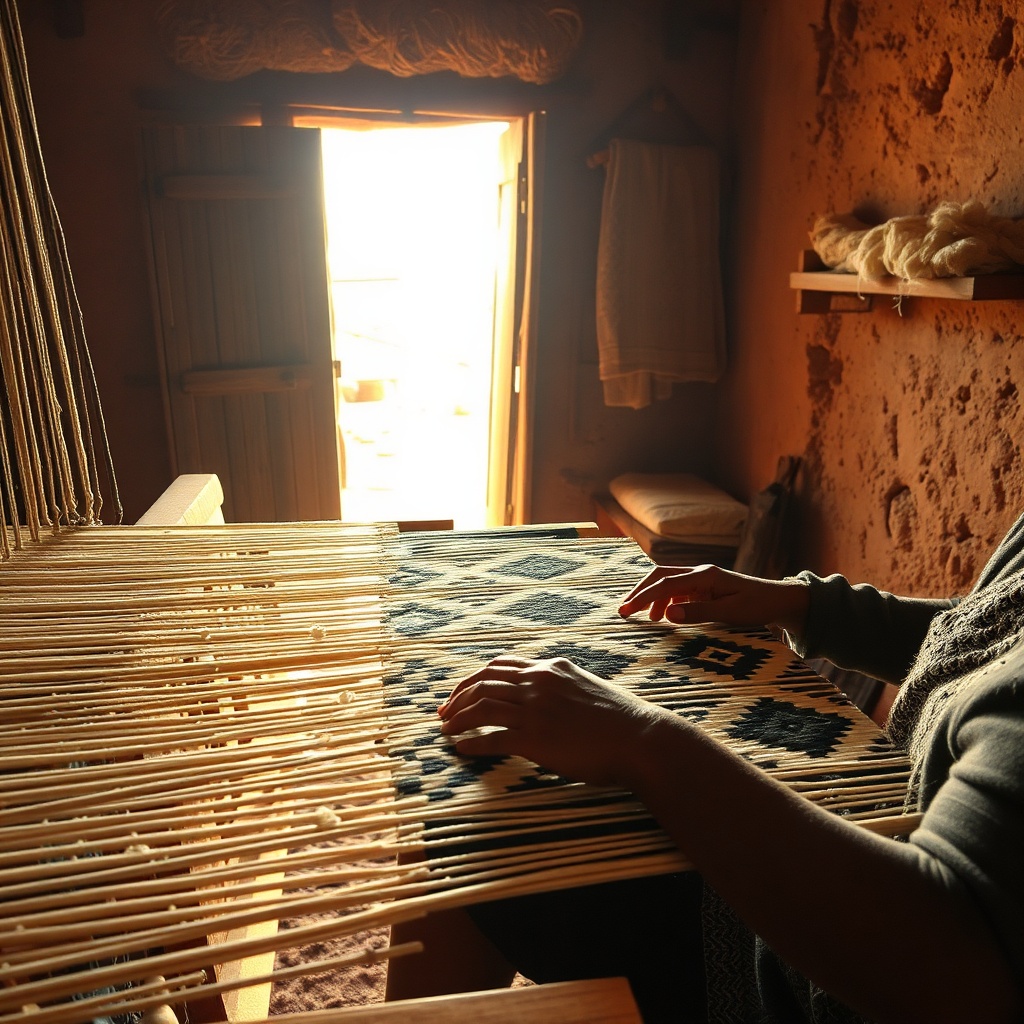
*Close-up view of a Berber artisan weaving natural wool on a traditional loom, showcasing the heritage craft behind handwoven Moroccan textiles.*
**Quick Answer:** A handwoven Moroccan blanket is a textile created on a loom by Berber artisans using natural wool or recycled fabrics, characterized by distinctive geometric patterns and regional weaving techniques passed down through generations.
Defining the Craft: From Atlas Mountains to Modern Homes
The term "handwoven Moroccan blanket" refers to textiles produced by the indigenous Amazigh (Berber) people of Morocco. These blankets are woven on traditional wooden looms, often in the weaver's own home, making each piece a unique expression of individual creativity and regional tradition.
Unlike machine-manufactured textiles, these blankets carry the visible imperfections and rhythmic variations of hand-looming. The loom is typically a horizontal ground loom or a vertical loom, and the weaving process can take several days to several weeks depending on the complexity and size of the piece. This time-intensive process is a core reason why authentic handwoven Moroccan blankets are considered investment pieces rather than disposable home goods.
**Definition:** The Amazigh (Berber) are the indigenous North African people who have inhabited the Atlas Mountains of Morocco for millennia. Their weaving traditions are among the oldest continuous textile practices in the world.
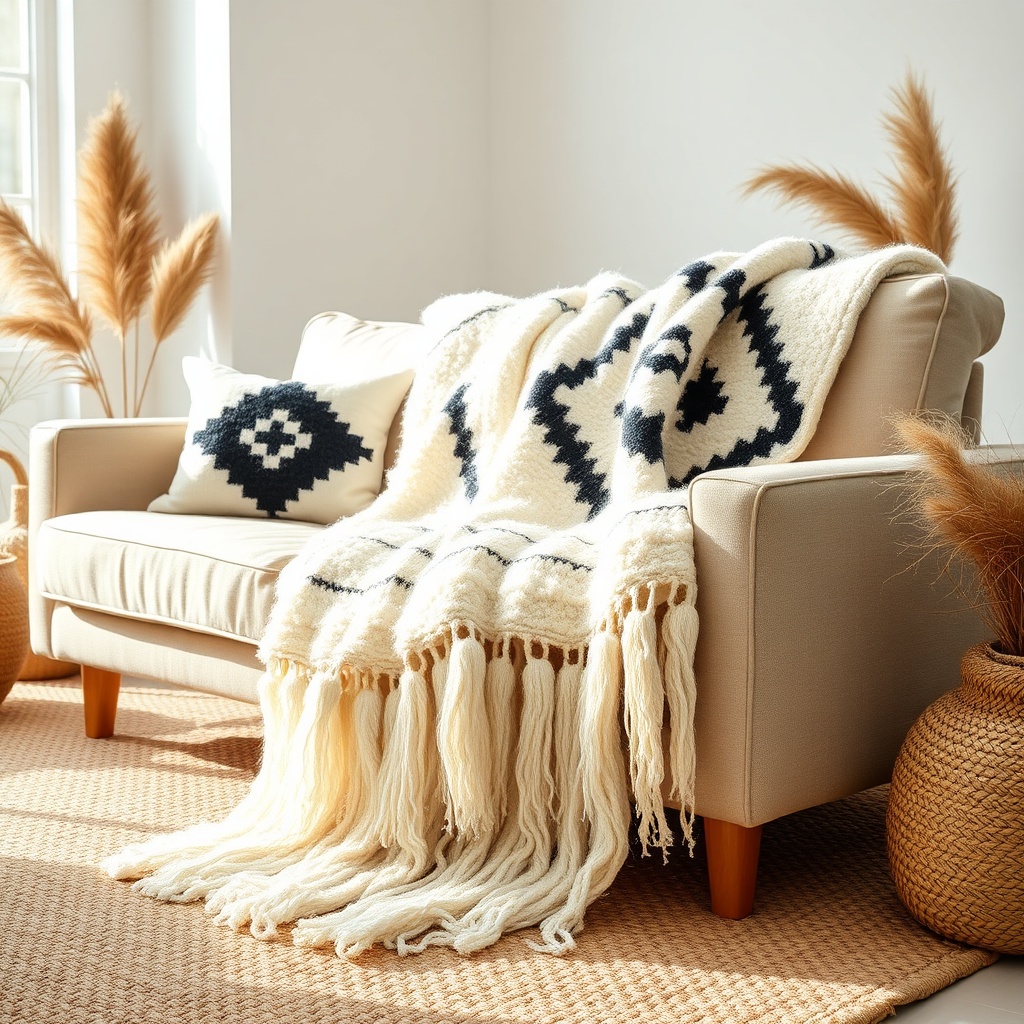
*Lifestyle photography of a geometric Beni Ourain blanket styled in a modern boho living space, highlighting its role as a key element in sustainable interior design.*
Materials and Weaving Techniques: Wool, Cotton, and Tradition
The primary material used in handwoven Moroccan blankets is sheep's wool. The wool is sourced from flocks raised in the Middle and High Atlas Mountains, where the high-altitude climate produces a wool that is naturally durable and rich in lanolin. This organic raw wool is prized for its softness and resilience.
The weaving process begins with washing and carding the wool, then spinning it into yarn. For undyed blankets like the classic Beni Ourain, the yarn is used in its natural cream or ivory state. For colorful blankets, artisans may use cotton accents or natural vegetable dyed textiles to create vibrant hues.
Traditional weaving techniques involve passing the weft (horizontal threads) over and under the warp (vertical threads) to create the fabric. The weaver controls the pattern by hand, often working from memory rather than a written design. This authentic Berber weaving technique results in the slightly irregular linework and organic shapes that distinguish genuine Moroccan textiles from imitations.
Cultural Significance and Regional Variations
For Berber communities, weaving is more than a craft—it is a form of cultural record. Patterns and symbols woven into blankets often carry meanings related to fertility, protection, and tribal identity. These amazigh tribal motif patterns can be geometric diamonds, zigzags, or abstract forms that reflect the weaver's personal life and environment.
Regional variations are significant. The Middle Atlas produces the dense, plush Beni Ourain style. The High Atlas is known for Azilal blankets, which often incorporate wool and cotton in more expressive designs. Urban areas and some rural communities produce Boucherouite blankets, which are made from recycled fabric strips. Each region's geography, available materials, and cultural history shape the blankets produced there.
The Art of Handweaving: How Moroccan Blankets Are Made
The Loom and the Weaving Process: A Step-by-Step Overview
The creation of a handwoven Moroccan blanket involves a slow, deliberate process that has changed little over centuries. The steps are straightforward in concept but demanding in practice.
1. **Wool preparation:** Raw wool is washed, carded to align fibers, and spun into yarn. The yarn may be left undyed or colored with natural dyes. 2. **Warping the loom:** The warp threads are stretched tightly across the loom's frame. This creates the foundation of the blanket. 3. **Weaving:** The weft threads are passed through the warp by hand or with a shuttle, creating the fabric. The weaver beats each row tightly to ensure a dense weave. 4. **Pattern creation:** The weaver introduces colors or extra threads to create the pattern, often working from memory and adjusting as they go. 5. **Finishing:** Once the weaving is complete, the blanket is removed from the loom. Loose threads are trimmed, and the edges are secured. Some blankets are washed or brushed to soften the pile.
The Role of Artisans: Preserving Generational Techniques
Moroccan artisan craftsmanship is a living tradition, with skills passed from mother to daughter over generations. Weaving is often a communal activity in rural Berber villages, where women gather to work on looms while sharing stories and maintaining social bonds.
This generational transfer of knowledge is crucial. The specific tension of the loom, the rhythm of the shuttle, and the interpretation of traditional motifs are all learned through years of practice rather than formal instruction. When you purchase an authentic handwoven Moroccan blanket, you are supporting an artisan directly and helping sustain a cultural practice that faces pressure from mass-produced imitations.
Natural Dyes and Finishing Touches
While many traditional Moroccan blankets are undyed, using the natural cream and brown tones of the wool, some artisans use natural vegetable dyed textiles. These dyes are derived from plants, minerals, and insects. Saffron and pomegranate rind produce yellows; madder root produces reds; indigo produces blues. The resulting colors are softer and more muted than synthetic dyes, and they age gracefully over time.
Finishing touches vary by region. Some blankets are left with a natural, rustic edge. Others may have a fringe or a tightly woven border. The pile—the raised surface of the wool—can be left long and shaggy or trimmed short, depending on the style. These details contribute to the unique character of each piece.
Types of Handwoven Moroccan Blankets: A Comparative Guide
**Quick Answer:** Beni Ourain blankets are the most recognizable type, featuring an undyed cream wool base with black geometric patterns. Azilal blankets are more colorful and expressive, while Boucherouite blankets are made from recycled fabrics.
Beni Ourain: The Classic High-Atlas Style
The Beni Ourain blanket is perhaps the most iconic handwoven Moroccan blanket. Originating from the Beni Ourain tribes in the Middle Atlas Mountains, these blankets are characterized by a plush, high-pile texture in natural cream or ivory wool, decorated with black or dark brown geometric diamond patterns.
The design is minimalist and elegant, which is why Beni Ourain wool throws have become a staple in contemporary interior design. They work beautifully in neutral, Scandinavian, and mid-century modern interiors, adding warmth and texture without introducing excessive color. The density of the weave makes them exceptionally cozy and durable, suitable for use as bed throws, sofa covers, or even floor rugs.
Azilal and Boucherouite: Colorful Expressions of Berber Creativity
Azilal blankets come from the High Atlas region and are known for their more expressive, colorful designs. Unlike the strict geometric patterns of Beni Ourain, Azilal blankets often feature abstract shapes, irregular lines, and a playful mix of wool and cotton in various colors. They are typically lighter in weight than Beni Ourain blankets, with a medium pile that offers a textured, bohemian look.
Boucherouite blankets are a distinctly different category. The name comes from the Moroccan Arabic word for "scrap" or "patch." These blankets are made from recycled fabric strips—old clothing, textile remnants, and even plastic—woven into a dense, eclectic textile. The result is a vibrant, patchwork piece that is both sustainable and artistic. Boucherouite blankets are a testament to the creativity of Moroccan artisans who transform waste materials into functional art.
Comparison Table: Key Characteristics of Popular Moroccan Blanket Types
| Feature | Beni Ourain | Azilal | Boucherouite | |---------|-------------|--------|--------------| | Primary Material | Undyed wool | Wool with cotton accents | Recycled fabric strips | | Weave Density | High, plush | Medium, textured | Loose, eclectic | | Typical Pattern | Geometric diamonds, black lines | Abstract, colorful motifs | Patchwork, vibrant colors | | Origin Region | Middle Atlas | High Atlas | Various, often urban | | Best For | Cozy, neutral interiors | Statement pieces, bohemian decor | Sustainable, artistic accents |
Styling Your Space with Handwoven Moroccan Blankets
Layering and Placement: Bed, Sofa, and Floor
Handwoven Moroccan blankets are incredibly versatile. On a bed, they add texture and warmth when draped across the foot or layered over a duvet. The plush texture of a Beni Ourain blanket creates a cozy, inviting look, while a colorful Azilal can serve as a focal point.
On a sofa, a Moroccan blanket can be folded and placed over the back or arm, adding a touch of bohemian style. For floor styling, these blankets can be used as a throw or a small rug, particularly in reading nooks or meditation spaces. The key is to layer textures—pair a wool Moroccan blanket with linen, velvet, or cotton to create depth and visual interest.
Color and Texture Pairing with Different Interior Styles
The color palette of your handwoven Moroccan blanket should complement your existing decor. For neutral, minimalist interiors, an undyed Beni Ourain with black diamonds is a natural fit, adding warmth without disrupting the color scheme. This retro desert geometric design works well with wood tones, leather, and natural stone.
For bohemian, eclectic, or vintage kilim boho decor, an Azilal or Boucherouite blanket introduces vibrant colors and abstract patterns. Pair these with plants, woven baskets, and other global-inspired textiles to create a layered, lived-in aesthetic. In modern or industrial spaces, a Moroccan blanket can soften hard edges and introduce organic texture.
Creating a Moroccan-Inspired Atmosphere without Overwhelming a Room
A Moroccan-inspired atmosphere is about warmth, texture, and a sense of travel. You can achieve this without turning your home into a theme park. Start with one authentic handwoven Moroccan blanket as a statement piece. Layer it with simple, neutral textiles and natural materials like wood, rattan, and ceramic.
Use warm lighting—lanterns, dim lamps, or candles—to enhance the cozy feel. Keep the rest of the room relatively simple so the blanket remains the focal point. The goal is to evoke the feeling of a Moroccan riad: comfortable, relaxed, and rich with texture, rather than cluttered with overly ornate decorations.
Care and Maintenance: Preserving Your Moroccan Blanket
**Quick Answer:** Handwoven Moroccan wool blankets should be hand-washed in cool water with a gentle wool soap, never machine-washed or wrung out. Lay them flat to dry away from direct sunlight.
Step-by-Step Cleaning Guide for Handwoven Wool Blankets
Wool is a natural fiber that requires gentle care. Improper cleaning can cause felting, shrinking, or damage to the weave. Follow these steps for safe cleaning.
1. Shake the blanket outside to remove loose dust and debris. 2. Spot-clean stains immediately using a mild detergent and cool water. 3. Hand-wash in a tub with lukewarm water and a gentle wool soap, gently agitating. 4. Rinse thoroughly without wringing or twisting the fabric. 5. Press out excess water with a towel and lay flat to dry away from direct sunlight. 6. Once dry, lightly brush the pile and fold or roll for storage.
Storage and Handling: Avoiding Moths and Damage
Wool is susceptible to moth damage, so proper storage is essential. Before storing, ensure the blanket is completely dry. Fold it loosely and place it in a breathable cotton bag or wrap it in a sheet. Avoid plastic bags, which can trap moisture and cause mildew.
To deter moths, you can use natural repellents like cedar wood, lavender, or rosemary. Store the blanket in a cool, dry place, and check it periodically. Rotating your blankets—using them seasonally rather than storing them indefinitely—helps keep them fresh and reduces the risk of pest damage.
When to Seek Professional Cleaning
While hand-washing is suitable for regular maintenance, some situations require professional care. If a blanket has a large or stubborn stain, has been damaged by moths, or is too large to handle safely at home, a professional cleaner with experience in wool textiles is the best option.
Look for a cleaner who specializes in delicate or antique textiles. They have the equipment and expertise to clean without damaging the fibers. For Boucherouite blankets, which may contain synthetic materials, professional cleaning is often recommended to avoid damaging the recycled fabrics.
How to Choose the Perfect Handwoven Moroccan Blanket
Assessing Authenticity: Weave, Materials, and Origin
Authenticity is the most important factor when purchasing a handwoven Moroccan blanket. Look for signs of hand-looming: slight irregularities in the weave, variations in thread thickness, and a natural, organic feel. Machine-made imitations have perfectly uniform patterns and a synthetic sheen.
The materials should be natural. A genuine Beni Ourain blanket is made of wool and should feel soft but substantial. Ask about the origin—where was the blanket woven, and by whom? Reputable sellers can provide information about the artisan or cooperative that produced the blanket. Ethically sourced Moroccan crafts ensure that the weaver receives fair compensation for their work.
Matching Blanket Size and Weight to Your Needs
Consider how you plan to use the blanket. A throw-sized blanket (approximately 120 x 180 cm) is ideal for a sofa or a single bed. A larger blanket (approximately 200 x 300 cm) can cover a double or king bed. The weight of the blanket is also important—heavier blankets are warmer and more plush, while lighter ones are better for layering in warmer climates.
The weave density affects both weight and warmth. A high-density weave, like that of a Beni Ourain, provides more insulation. A medium-density weave, like an Azilal, is more versatile for year-round use. Consider your local climate and whether you plan to use the blanket for warmth or primarily for decoration.
Budget Considerations and Where to Buy Responsibly
Handwoven Moroccan blankets are artisan products, and their prices reflect the time and skill involved. Prices can vary widely based on size, materials, and the reputation of the seller. While it is possible to find affordable options, be cautious of prices that seem too low—they often indicate machine-made imitations or ethically questionable sourcing.
Buying directly from cooperatives in Morocco or from reputable online sellers who work directly with artisans is the best way to ensure you are getting an authentic product and supporting sustainable artisanal rug production. Look for sellers who provide details about the weaver, the materials, and the weaving process. This transparency is a hallmark of ethical sourcing.
Frequently Asked Questions (FAQ)
Are handwoven Moroccan blankets machine washable?
No, machine washing is not recommended for handwoven Moroccan wool blankets. The agitation and spinning of a washing machine can cause the wool to felt, shrink, and lose its shape. Hand-washing in cool water with a gentle wool soap is the safest method.
How can I tell if a Moroccan blanket is truly handwoven?
Look for irregularities in the weave, variations in yarn thickness, and a natural, slightly uneven appearance. Machine-made blankets have perfectly uniform patterns and often use synthetic fibers. Authentic handwoven blankets also have a distinct texture and weight that comes from natural wool.
What is the difference between a Moroccan blanket and a throw?
The terms are often used interchangeably, but a throw is typically smaller and used for decoration or light warmth on a sofa or chair. A blanket is generally larger and designed for use on a bed. Handwoven Moroccan blankets come in both sizes.
Do handwoven Moroccan blankets shed?
Some shedding is normal for new wool blankets, especially in the first few weeks. This is a natural characteristic of wool and will decrease over time. Frequent shaking and gentle brushing can help remove loose fibers.
How long do handwoven Moroccan blankets last?
With proper care, a handwoven Moroccan wool blanket can last for decades, and many are passed down through generations. The durability of the wool and the strength of the hand-loomed weave make them exceptionally long-lasting.
Conclusion
Handwoven Moroccan blankets are more than just home textiles—they are pieces of cultural heritage, crafted by skilled artisans using techniques refined over centuries. Whether you choose a classic Beni Ourain, a colorful Azilal, or a sustainable Boucherouite, you are bringing a unique piece of Moroccan craftsmanship into your home.
When shopping, prioritize authenticity and ethical sourcing. Look for natural materials, hand-loomed irregularities, and sellers who can connect you to the weaver. With proper care, your handwoven Moroccan blanket will provide warmth, comfort, and beauty for many years.