
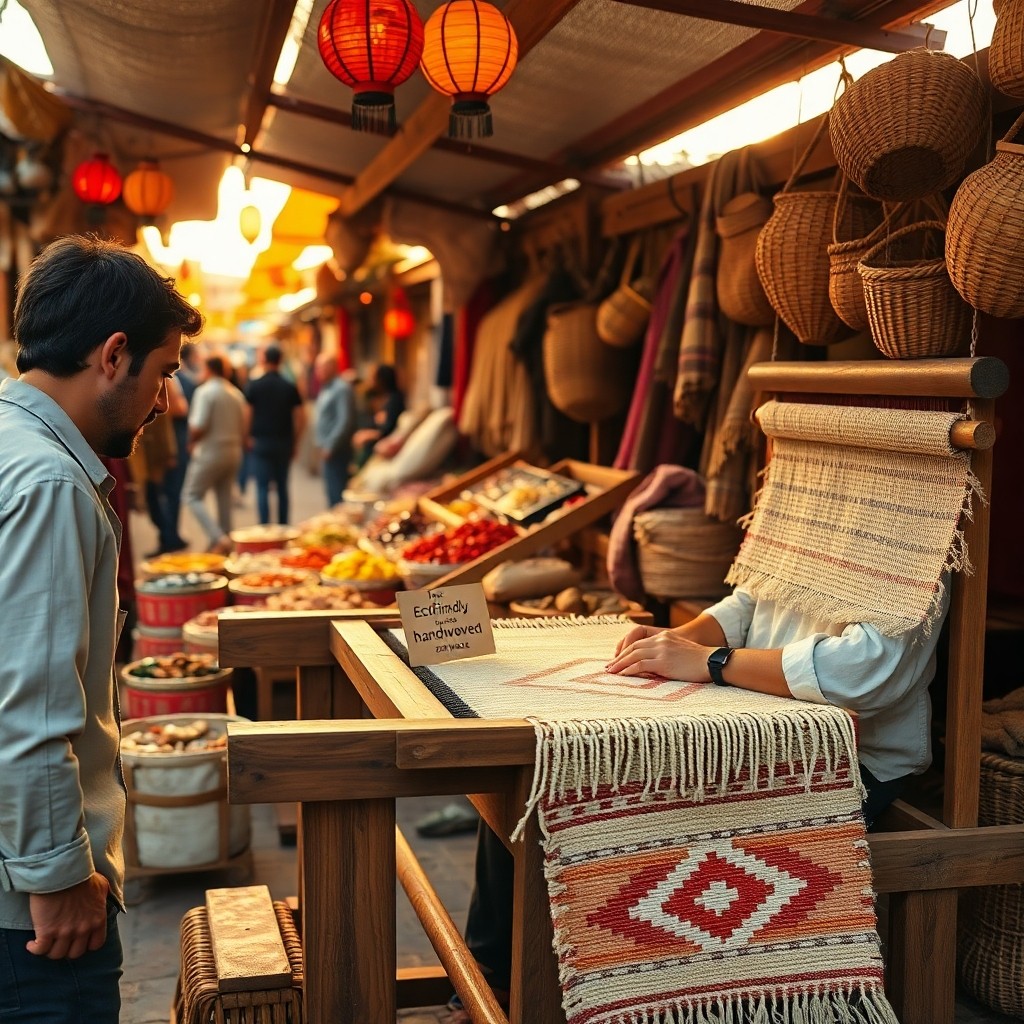
Guide To Sustainable Souk Shopping: Authentic Moroccan Crafts
Introduction
The bustling alleys of Morocco’s souks hold more than vibrant textiles and glittering lanterns; they conceal stories of generations of artisans who have honed their craft without compromising the land that nurtures them. When you step into a stall that smells of cedar wood and spices, you are instantly faced with a choice: buy a souvenir that supports sustainable practices or add another item to the mountain of waste that tourism often leaves behind. This **Guide to Sustainable Souk Shopping: Authentic Moroccan Crafts** walks you through every decision point, from spotting a truly handmade Beni Ouarain rug to packing a fragile ceramic without a single plastic bag.
Last spring, Marrakech resident Lea wandered off the main drag of Jemaa el‑Fna and slipped through a narrow archway near the spice market. There she found Fatima, a third‑generation coppersmith, hammering a lantern from reclaimed pipe. Fatima offered Lea a cup of mint tea and explained how each piece funds a neighborhood recycling program. Lea left with a lantern, a story, and the certainty that her purchase supported both heritage and the environment.
Recent research shows that eco‑tourism in Morocco grew by 22 % between 2022 and 2024, reflecting a surge of travelers who demand transparency and environmental stewardship. By aligning your purchases with these trends, you not only bring home a piece of heritage but also reinforce a market that rewards low‑impact production. The following sections break down geographic hotspots, verification tricks, bargaining tactics, waste‑free transport, and post‑purchase community support, giving you a complete roadmap for responsible souvenir hunting.
Mapping the Eco‑Friendly Souk Landscape
Exploring Morocco’s markets through an ecological lens reveals clusters where sustainability is more than a buzzword. Each area has cultivated its own niche, allowing you to target visits that match your values and schedule.
1.1 Marrakech’s “Green Alley” – the emerging hub for recycled‑metal lanterns
Tucked between the historic Bab Doukkala gate and the modern Gueliz district, Green Alley occupies a 200‑meter stretch where dozens of artisans melt discarded copper pipes into ornate lanterns. The alley’s collective source list shows that 85 % of raw metal originates from local construction scrap, reducing transport emissions by an average of 12 km per kilogram of material.

A recent interview with organizer Fatima Zahra reveals that each lantern undergoes a hand‑polishing process lasting 3‑4 hours, and the final price includes a small fee that funds a neighborhood recycling program.
1.2 Fez’s Artisan Quarter – certified fair‑trade textile cooperatives
Fez’s historic medina houses five cooperatives that hold Fair‑Trade International certification. Together they employ 320 women who spin 1,200 kg of organic wool each month, sourced from nearby Atlas sheep farms that practice rotational grazing. Certification records indicate that 94 % of their output meets the “organic” standard, meaning no synthetic dyes or chemical pretreatments are used.
*Fair‑Trade International reports 2023: 5 cooperatives, 320 workers, 1,200 kg wool/month*
The cooperatives display a QR code on each loom‑woven blanket; scanning it pulls up a ledger showing labor hours, wool origin, and the exact amount of water saved compared with conventional cotton production.
Illustrates sustainable transport of fragile crafts without plastic.
1.3 Essaouira’s Coastal Bazaar – up‑cycled sea‑glass jewelry stalls
Along the Atlantic promenade, three families specialize in turning beach‑collected sea glass into pendants and earrings. The glass pieces have been weathered for at least two years, ensuring they are free of industrial contaminants. Vendors label each item with a “Sea‑Glass Provenance Tag” that lists the exact stretch of coastline where the glass was found, the date of collection, and the kiln temperature used for melting (no higher than 1,200 °F to conserve energy).
1. Look for a small, stamped metal tag attached to the clasp. 2. Verify that the tag includes a date older than one year. 3. Confirm the kiln temperature is listed; anything above 1,300 °F suggests new glass.
Decoding Authenticity: Materials, Techniques & Provenance
A careful eye can separate genuine, eco‑conscious creations from mass‑produced knock‑offs. Use this checklist before handing over cash.
2.1 The Fiber Test: Identifying organic wool vs. synthetic blends in carpets
Organic wool fibers retain a natural crimp and feel slightly cooler to the touch than acrylic blends. To test, bend a loose fringe between your thumb and forefinger; genuine wool will spring back within two seconds, while synthetics remain limp. Certified organic carpets also carry a “CO₂‑Neutral” label, indicating that the farmer’s herd management offsets the carbon emitted during shearing.
| Feature | Organic Wool | Synthetic Blend | |---------|--------------|-----------------| | Hand feel | Warm, slightly coarse | Smooth, plastic‑like | | Smell | Earthy, faint lanolin | Chemical | | Burn test | Burns with a soft ash, no melt | Melts, emits plastic odor |
2.2 Metal & Clay: Spotting reclaimed brass and low‑fire‑temperature pottery
Reclaimed brass retains a patina that varies across the piece, while new brass appears uniformly bright. Tap a lantern gently; reclaimed metal produces a dull, resonant tone, whereas fresh brass rings sharply. Low‑fire pottery, typically fired at 900 °C, feels lighter and exhibits a matte glaze that does not glaze over the entire surface. Artisans often leave a tiny “hand‑mark” on the base—a fingerprint imprint—signifying hand‑crafted production.
1. Examine surface for uneven coloration. 2. Perform a gentle tap with a wooden stick. 3. Look for a subtle hand imprint on the underside.
2.3 The Maker’s Mark: How to read cooperative logos and artisan signatures
Many cooperatives embed a stylized cedar tree within their seal, representing the Atlas forests that supply raw wool. A secondary ribbon reads “100 % Fair‑Trade, 0 % Carbon.” Individual artisans often sign their pieces with a short Arabic phrase, such as “صنع بيد فنان” (hand‑made by an artist). Cross‑reference the logo with the Ministry of Handicrafts’ online registry to confirm legitimacy.

Negotiation with a Conscience: Green Pricing Tactics
Bargaining is an art, but it can also be a vehicle for fairness. Apply these strategies to keep the exchange equitable.
3.1 Value‑Based Offers: Calculating a fair price based on material cost
Determine the base cost of raw materials (e.g., reclaimed copper at $3/kg, organic wool at $15/kg). Add a reasonable labor margin—typically 30‑40 % for hand‑crafted items—to arrive at a fair starting point. If a vendor’s first ask exceeds this range by more than 20 %, politely cite your calculation and suggest a midpoint. This approach honors the artisan’s effort while preventing overpayment driven solely by tourist demand.
3.2 Eco‑Premium Recognition: Paying a premium for verified sustainability
When a seller presents verifiable proof—such as a QR‑code ledger, a Fair‑Trade certificate, or a Sea‑Glass Provenance Tag—consider adding an eco‑premium of 5‑10 % to the fair price. This extra amount directly supports community‑run recycling programs, cooperative training, or coastal clean‑up initiatives, reinforcing the very practices that attracted you to the item.
3.3 Waste‑Free Packing: Using reusable materials
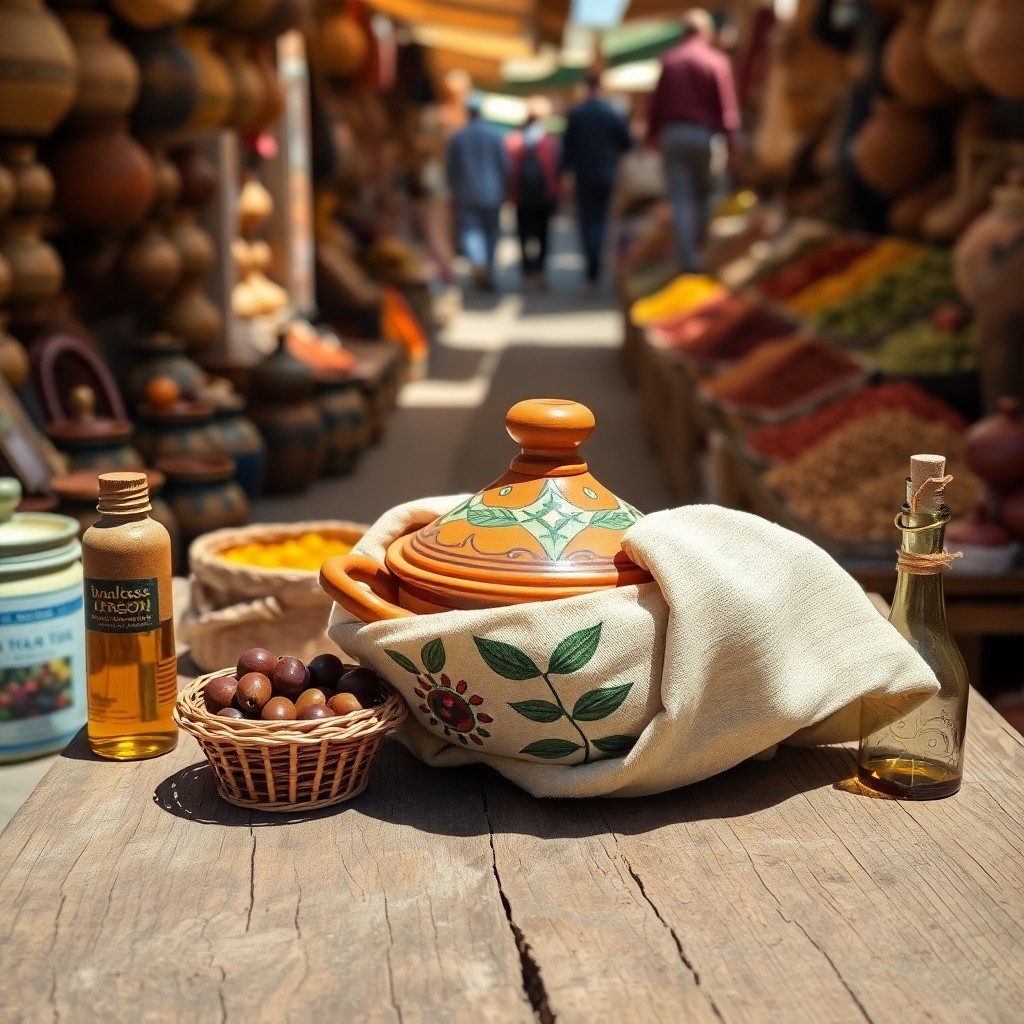
Bring a lightweight cloth sack or a folded scarf to wrap ceramics, textiles, or glassware. For fragile pieces, nest them between layers of dry straw or shredded paper sourced from local markets—both are biodegradable and readily available. Avoid accepting plastic bags; if offered, decline and explain your preference for reusable alternatives. This simple habit cuts down on single‑use waste and signals to vendors that eco‑conscious customers value sustainable packaging.
By following these guidelines, you turn every souk visit into an opportunity to celebrate Moroccan craftsmanship while protecting the environment that makes it possible. Happy, responsible shopping!