
Guide To Authentic Moroccan Argan Oil: Uses & Benefits
Introduction
Global demand for argan oil has surged in recent years, transforming this ancient Moroccan remedy into a modern staple for beauty enthusiasts and health-conscious gourmets alike. Often referred to as "liquid gold," this rare elixir has captured international attention, driving a significant boom in the cosmetic and culinary sectors. In fact, the global argan oil market witnessed a substantial sales increase of approximately 12.5% in 2023 alone, reflecting a growing consumer shift toward natural, plant-based products. However, with this rising popularity comes a flooded market filled with diluted or synthetic imitations.This Guide to Authentic Moroccan Argan Oil: Uses & Benefits is designed to cut through the noise, helping you distinguish genuine, high-quality oil from impostors while revealing its versatile applications.
Understanding what is argan oil in its truest form requires looking beyond the marketing hype. Authentic Moroccan argan oil is not just a trendy moisturizer; it is a labor-intensive product deeply rooted in tradition. Whether you are looking to revitalize your hair, improve your skin’s elasticity, or enhance your culinary repertoire, knowing the source and quality of your oil is paramount. This guide will equip you with the scientific knowledge, historical context, and practical verification techniques needed to make informed decisions.
Historical Roots & Certification Standards
The story of argan oil begins in the semi-arid regions of southwestern Morocco, where the Argania spinosa tree has thrived for millions of years. Argan oil history is deeply intertwined with the indigenous Amazigh (Berber) people, who have guarded the secrets of its extraction for generations. Long before modern science validated its benefits, local communities utilized the oil for its medicinal and nutritional properties, relying on it to treat skin ailments and protect against the harsh desert climate.
Traditional Extraction Methods in Morocco
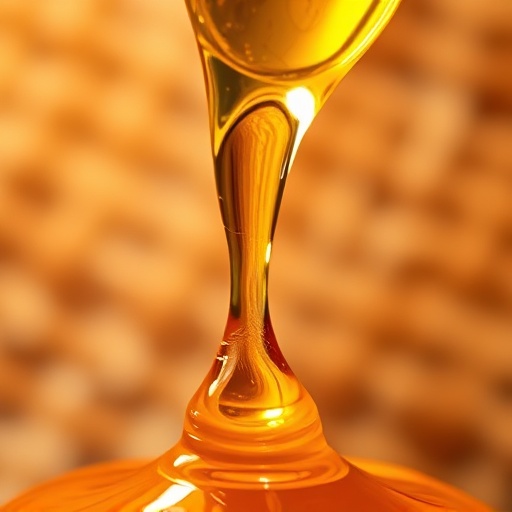
*Visual representation of the oil's purity and texture.*
The traditional production of argan oil is a painstaking process that has remained largely unchanged for centuries. Berber women in the Souss-Massa region harvest the argan fruit, dry it in the sun, and remove the fleshy pulp to reveal the hard-shelled nuts. These nuts are then cracked open between two stones to extract the precious kernels. The kernels are subsequently ground into a paste using a stone hand-rotated quern, mixed with water, and kneaded manually to press out the oil. This labor-intensive method yields a product with a distinct, robust flavor and nutrient profile that industrial machinery often fails to replicate. Today, it is estimated that over 3,000 Berber families in the Souss-Massa region continue to practice this traditional hand-pressed extraction, preserving a vital cultural heritage.
Modern Organic Certification Processes
As international demand has grown, so has the need for standardized quality control. To ensure you are purchasing a product free from pesticides and chemical additives, looking for specific labels is essential. Authentic products often carry certifications such as USDA Organic, ECOCERT, or the Moroccan "Argan Oil of Excellence" label. These certifications guarantee that the oil was produced using sustainable farming practices and that the entire supply chain, from harvest to bottling, meets rigorous organic standards.
To verify a certification seal on a bottle, follow these steps:
1. Locate the certification logo on the label (usually USDA, ECOCERT, or Cosmebio). 2. Note the unique certification code or license number printed next to or below the logo. 3. Visit the certifier’s official website (e.g., ecocert.com or usda.gov). 4. Enter the company name or the license number into the "Verify a Certificate" search bar. 5. Confirm that the product name and the scope (cosmetic or culinary) match the details on the bottle.
*Visual context of the geographic origin and history.*
Scientific Composition & Skin Benefits

The efficacy of argan oil is not merely folklore; it is backed by a robust scientific composition that makes it a powerhouse for dermatological health. The oil is rich in essential nutrients that work synergistically to repair, protect, and nourish the skin. Understanding the specific chemical makeup helps explain why authentic Moroccan argan oil is so effective compared to synthetic alternatives.
Fatty Acid Profile & Antioxidant Content
Argan oil boasts a unique balance of fatty acids that closely mimics the skin's natural sebum, allowing for deep absorption without clogging pores. The typical composition includes approximately 43% oleic acid (omega-9), which ensures deep moisturization and skin softness, and 37% linoleic acid (omega-6), which is vital for maintaining skin integrity and reducing inflammation. It also contains about 12% palmitic acid and 5% stearic acid. Beyond fatty acids, the oil is exceptionally high in tocopherols (Vitamin E), containing roughly 600-1000 mg/kg, which provides potent antioxidant protection against free radical damage.
To visualize the superiority of argan oil, consider this comparison of Vitamin E content:
* **Argan Oil:** ~600-1000 mg/kg * **premium extra virgin olive oil:** ~100-200 mg/kg * **Jojoba Oil:** ~50 mg/kg
This high concentration of antioxidants makes argan oil far more effective in combating oxidative stress and preventing premature aging than many other common carrier oils.
Clinical Studies on Wound Healing and Anti‑Aging
Scientific inquiry into argan oil has produced promising results regarding its regenerative capabilities. A 2022 dermatology study published in the *Journal of Cosmetic Dermatology* examined the effects of topical argan oil on post-operative scarring. The trial involved 60 participants who applied argan oil twice daily to their surgical scars. After eight weeks, researchers observed a statistically significant reduction in scar depth and discoloration compared to the control group. Additionally, the study noted a marked increase in collagen synthesis within the dermis, confirming the oil's anti-aging research potential. These findings suggest that regular application can accelerate wound healing and improve skin elasticity by stimulating the production of structural proteins.
Culinary Uses & Nutritional Impact
While often celebrated in the beauty industry, culinary argan oil is a delicacy in its own right. Unlike the cosmetic grade, which is extracted from raw kernels, culinary argan oil is made from roasted kernels, giving it a rich, nutty aroma and a complex flavor profile. Cooking with argan oil offers a unique way to elevate dishes while providing significant health advantages.
Flavor Profile vs. Other Oils in Moroccan Cuisine
The flavor of culinary argan oil is best described as a harmonious blend of peanut butter, toasted sesame, and a hint of hazelnut, with a slightly sweet finish. It is distinct from the grassy bitterness of extra virgin olive oil or the neutral taste of grapeseed oil. In Moroccan cuisine, it is traditionally used as a finishing oil rather than a cooking fat due to its low smoke point and delicate flavor. It is drizzled over couscous, used to dress salads, and is a key ingredient in dipping bread.
A quintessential example of its use is the traditional Amlou dip. To make authentic Amlou:
* Ingredients: 1 cup of honey, 2 cups of roasted almond butter, 1 cup of culinary argan oil.
Instructions: In a large mixing bowl, combine the roasted almond butter and honey. Whisk vigorously until the mixture is smooth and uniform. Slowly drizzle the culinary argan oil into the mixture while continuing to whisk to ensure a stable emulsion. Once the oil is fully incorporated and the dip has a glossy, creamy texture, transfer it to a serving jar. Amlou is best enjoyed by dipping warm Moroccan bread into it, offering a rich blend of sweet and savory flavors perfect for breakfast or a snack.