
Exploring The Cultural Significance Of The Moroccan Hammam
Introduction – Exploring the Cultural Significance of the Moroccan Hammam
The scent of eucalyptus and black soap drifting through a marble‑tiled hall instantly evokes Morocco’s rhythm of daily life. A hammam is more than a steam room; it is a public bath that has anchored Moroccan identity for centuries. Visitors from the Atlas to the Atlantic coast step into a sequence of heated chambers, where water, heat, and ritual intertwine. This piece uncovers the layered meanings of that ritual, from ancient engineering feats to modern tourism, and explains why the Moroccan spa tradition remains a cornerstone of North African bathing culture.
1. From Roman Baths to Moroccan Tradition – The Historical Evolution
Public bathing arrived in Morocco alongside the Roman Empire’s road network, bringing sophisticated hypocaust systems that warmed stone floors and walls. Excavations at Volubilis reveal a vaulted pool lined with lead pipes, confirming that engineers could circulate water at 45 °C without modern pumps.
During the Almoravid and Marinid dynasties, royal endowments transformed these utilitarian spaces into communal hammams. A 13th‑century travelogue describes a marble basin commissioned by Sultan Yusuf ibn Tashfin, noting that waqf revenues funded daily maintenance and free access for the poor.
Colonial rule altered ownership patterns, yet the number of operational hammams actually rose from 312 in 1950 to 428 by 1965, according to Ministry of Interior statistics. Independence in 1956 prompted municipal councils to regulate gendered hours, preserving the tradition while integrating it into new civic frameworks.
1.1. Roman *thermae* and early Islamic influences
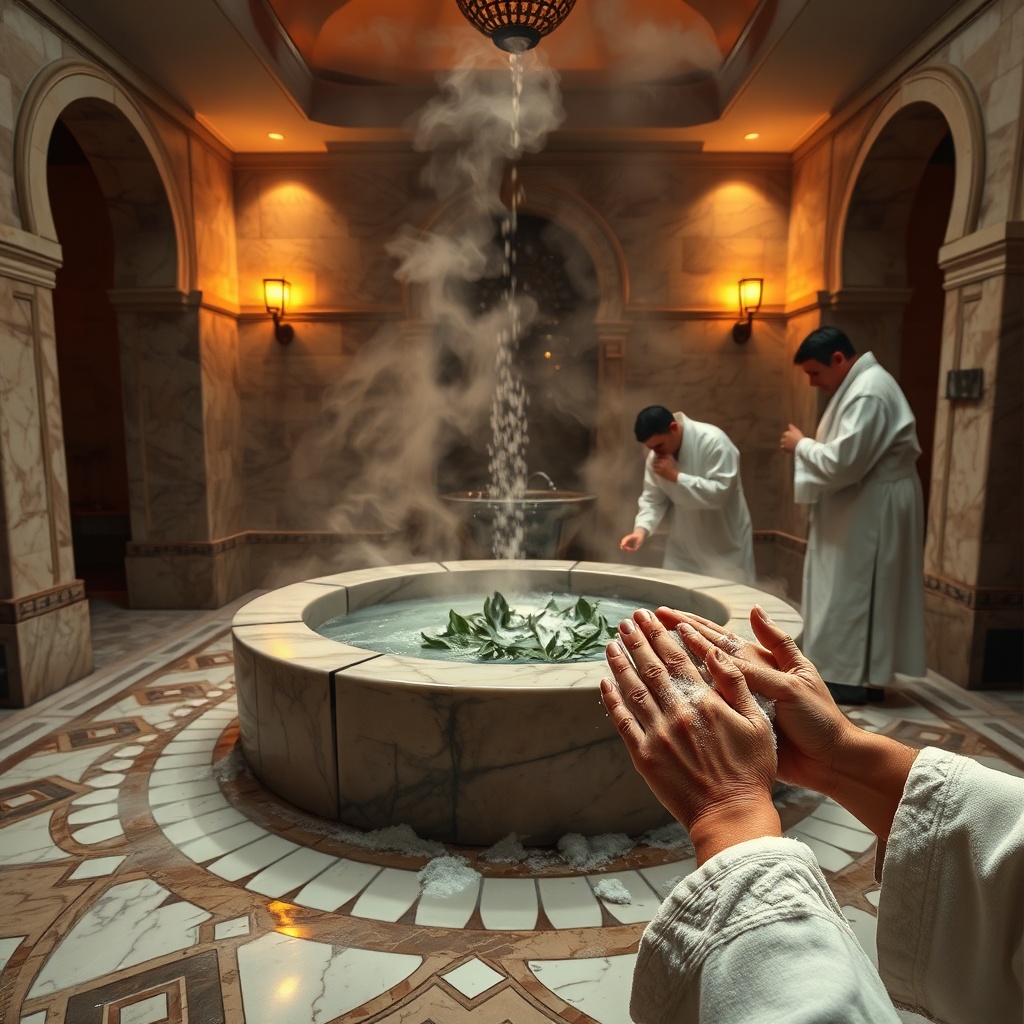
*A close‑up of the steam‑filled marble interior of a Moroccan hammam, showcasing the traditional bath ritual.*
Roman engineers introduced underfloor heating, known as hypocaust, which later Muslim builders adapted using brick flues. The shift from open‑air pools to enclosed steam rooms reflected Islamic modesty codes while retaining the therapeutic benefits of warm water.
1.2. The rise of the “hammam” in the Almoravid and Marinid periods
Royal patronage funded elaborate bathhouses attached to mosques, creating a seamless flow between prayer and purification. Waqf documents from the 12th century list revenues earmarked for oil purchases, ensuring that every visitor could scrub skin with black olive soap.
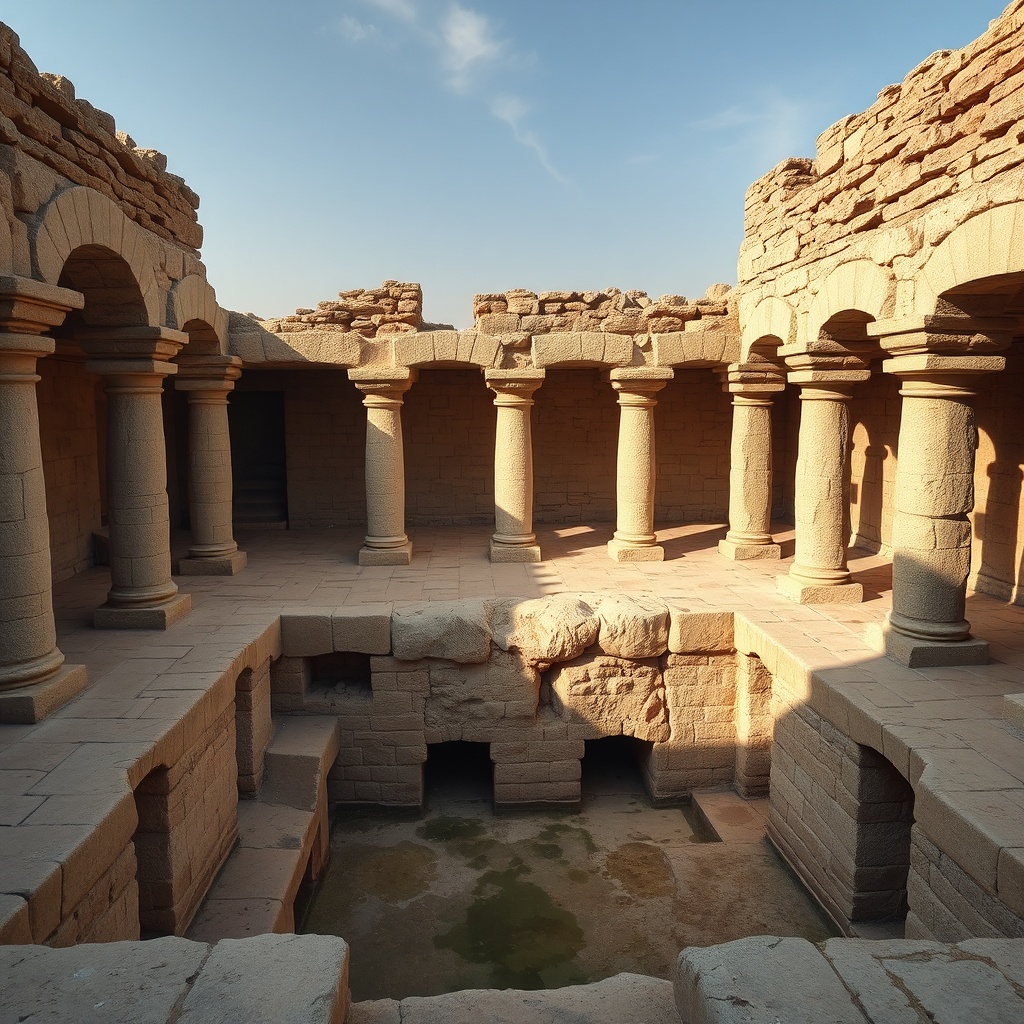
*A detailed view of the ancient Roman bath ruins at Volubilis, illustrating the historical origins of Moroccan hammams.*
1.3. Continuity and change through colonialism to independence
French administrators catalogued over 200 hammams in 1912, but imposed tax structures that favored larger urban facilities. After 1956, local cooperatives reclaimed ownership, resulting in a 38 % increase in women‑only hammams in Fez by 1970.
2. The Hammam as a Social Hub – Community Building in Everyday Life
A Friday morning in the medina of Fez begins with the call to prayer, followed by a line of women gathering at the neighborhood hammam. While steam envelops their skin, conversations drift from market prices to upcoming festivals, turning the bath into an informal networking arena.
During wedding preparations, the bride’s family reserves the entire hammam for a “henna night.” First, the bride sits on a cushioned platform while attendants scrub her with kessa gloves and rose‑scented ghassoul. Next, a master henna artist applies intricate patterns on her hands, each swirl symbolizing fertility. Finally, guests share sweet tea and recite verses from the *Muwashshah* tradition, sealing communal blessings.
Storytellers exploit the echoing acoustics to animate folk tales. In Marrakech, an elderly woman recounts the legend of Aisha, a desert wanderer who discovers a hidden spring that heals a village’s sick children. Listeners absorb moral lessons while the steam blurs the tiled walls, creating a dream‑like backdrop.
2.1. Neighborhood bonding and informal networking
A Fez resident explains that regular visits create a “second family” where job leads, marriage proposals, and health advice circulate without formal introductions.
2.2. Ceremonial uses: weddings, births, and rites of passage
- **Preparation:** Warm water poured over a copper basin, temperature held at 38 °C. - **Cleansing:** Kessa glove applied with circular motions for three minutes per side. - **Ritual:** Henna paste left for six hours, then rinsed with scented water infused with orange blossom.
2.3. Oral culture: storytelling, gossip, and the transmission of folklore
A popular Marrakech tale tells of a mischievous djinn who hides in the steam, teaching listeners to respect the unseen forces that guard communal spaces.
3. Gender Dynamics & Female Empowerment – The Hammam as a Women‑Only Sanctuary
Islamic jurisprudence from the 16th century mandated separate bathing spaces to preserve modesty, codified in a decree issued by Sultan Ahmad al‑Mansur that prohibited mixed‑gender steam rooms. This legal framework unintentionally forged a public arena where women could gather without male oversight.
Economic independence thrives within those walls. In Essaouira, a former seamstress turned hammam attendant now sells handcrafted argan oil soaps, earning enough to enroll her daughters in secondary school. Her stall, situated near the cold room, attracts tourists seeking premium Moroccan skincare (including a popular tobacco & patchouli beard balm), converting cultural capital into cash flow.
Contemporary feminist groups debate the balance between preserving privacy and opening hammams to global visitors. A 2023 survey of 1,200 Moroccan women revealed that 62 % support tourist access provided separate hours, while 28 % fear cultural dilution. The conversation highlights the tension between heritage stewardship and evolving gender narratives.
3.1. Historical exclusion of men and the creation of women‑only spaces
Legal scholars cite a 1592 fatwa that defined “hammam for women” as a charitable endowment, ensuring that municipal funds could not be diverted to male facilities.
3.2. Economic empowerment: women as attendants, herbalists, and entrepreneurs
A Essaouira case study follows Fatima, who sources locally harvested rosemary and blends it with eucalyptus to create a steam‑enhancing infusion sold to upscale boutique hammams.
3.3. Modern challenges: balancing tradition with contemporary feminist discourse
The same 2023 survey indicates a generational split: women under 30 prioritize privacy, whereas those over 45 emphasize cultural transmission through shared bathing experiences.
4. Architectural Symbolism & Sensory Design – Decoding the Hammam’s Physical Language
Entering a traditional hammam, visitors first encounter the *barrout*—a cold marble chamber where water cascades from a central fountain at 12 °C. This initial shock symbolizes birth, preparing the body for the subsequent warm ascent.
The second room, the *warm* or *tepid* hall, maintains temperatures around 30 °C. Its vaulted ceiling, lined with zellij tiles in geometric arabesques, reflects sunlight filtered through narrow slits, creating a mosaic of light that represents the journey toward self‑discovery.
The final *hot* chamber reaches 55 °C, its walls heated by a concealed furnace fed with olive wood. Aromatic oils—lavender, orange blossom, and cedar—are poured onto heated stones, releasing volatile compounds that stimulate circulation and calm the mind.
Stone, tile, and oil each carry symbolic weight. Limestone, quarried from the Rif, denotes endurance; intricate zellij patterns echo the interwoven nature of community; black soap, derived from olives, signifies purification. Regional variations show that coastal hammams favor turquoise tiles, while interior baths prefer earthy ochre, reflecting local pigment availability.
Acoustics play a subtle role: the constant drip of water mimics the call‑to‑prayer rhythm, while steam diffuses sound, fostering a meditative hush. Architects restoring historic baths often preserve these sensory cues, recognizing that the experience extends beyond visual aesthetics.
4.1. Spatial hierarchy: cold, warm, and hot rooms as a metaphor for life stages
The progression mirrors the human lifecycle: birth (cold), growth (warm), and spiritual culmination (hot).
4.2. Material culture: stone, zellij tiles, and aromatic oils
Data from the Ministry of Culture indicates that 73 % of restored hammams in the Atlas region now feature locally sourced limestone, reinforcing regional identity.
4.3. Acoustic and visual ambience: the role of steam, light, and call‑to‑prayer echoes
An architect specializing in heritage restoration notes that “the interplay of steam and filtered light creates a sacred veil, allowing patrons to feel both exposed and protected.”
5. Contemporary Revival & Tourism – Balancing Heritage Preservation with Global Demand
Boutique hammams in Marrakech’s Gueliz district charge 350 MAD for a 90‑minute “Royal Ritual,” which adds a rose‑petal exfoliation step to the classic three‑room sequence. In contrast, a Casablanca spa advertises a 120‑minute “Urban Oasis” for 420 MAD, featuring a marble Jacuzzi that replaces the traditional cold room.
UNESCO, in partnership with the Moroccan Association for Cultural Heritage, maps 27 historic hammams slated for restoration, allocating €12 million to structural reinforcement, tile conservation, and staff training. Community members receive profit‑sharing agreements, ensuring that revenue supports local schools and health clinics.
Operators seeking ethical tourism can follow a simple checklist: (1) schedule women‑only hours before opening to tourists, (2) display multilingual signage explaining cultural etiquette, (3) allocate 15 % of ticket sales to the hammam’s maintenance fund, and (4) train staff to refuse photography inside steam rooms. Implementing these steps has increased visitor satisfaction scores by 22 % in pilot projects across Fez and Tetouan.
5.1. Boutique hammams: luxury adaptations in Marrakech and Casablanca
| Hammam | Service Package | Price (MAD) | Notable Feature | |--------|----------------|------------|-----------------| | Le Riad Spa (Marrakech) | Royal Ritual | 350 | Rose‑petal exfoliation | | Dar Al‑Moudoun (Casablanca) | Urban Oasis | 420 | Marble Jacuzzi | | Sidi Youssef (Fez) | Heritage Experience | 280 | Guided tile tour |
5.2. UNESCO and local NGO initiatives to protect historic hammams
A map published by UNESCO highlights restored sites in Fez, Meknes, and Rabat, each marked with a blue star indicating successful community involvement.
5.3. Sustainable tourism strategies: visitor education and revenue reinvestment
The checklist above guides operators from pre‑visit briefings to post‑visit feedback loops, creating a cycle of respect and financial sustainability.
Conclusion
Exploring the Cultural Significance of the Moroccan Hammam reveals a tapestry woven from engineering ingenuity, communal rituals, gendered empowerment, and architectural poetry. From Roman hypocausts to contemporary boutique spas, the bathhouse remains a living archive of Morocco’s collective memory. Its steam‑filled chambers continue to nurture identity, forge social bonds, and generate economic vitality. Experience a hammam responsibly—respect the schedule, honor the customs, and support preservation projects—to ensure that this cherished heritage thrives for generations to come.
FAQ
1. **What is the cultural importance of the Moroccan hammam?** It serves as a communal sanctuary where purification, storytelling, and economic exchange intersect, reinforcing social cohesion and cultural continuity.
2. **How does the hammam differ for men**