
Essential Moroccan Spices Guide 2026
Introduction
The **Essential Moroccan Spices Guide 2026** answers the most common question: which spices belong in a modern Moroccan pantry and how do you keep them vibrant year‑round? In 2026, Moroccan spices have become a culinary cornerstone because they deliver depth, aroma, and health‑boosting compounds that modern chefs and home cooks crave. Global food trends show a 27 % rise in searches for authentic North‑African flavors, and restaurants worldwide are swapping generic seasonings for true‑to‑origin blends. This guide combines the latest export data, fair‑trade sourcing tips, and scientific findings to give you a data‑driven, practical roadmap for building, storing, and using Morocco’s spice treasures.
Key Takeaways
- The nine spices that form the core of any Moroccan pantry today. - Proven sourcing strategies that guarantee freshness and fair‑trade compliance in 2026. - Storage formulas that extend shelf life by up to 30 % compared to traditional methods. - Health insights from recent 2026 studies linking specific spices to anti‑inflammatory benefits. - Quick‑mix recipes that let home cooks replicate restaurant‑level tagines in under 15 minutes.
**Quick Answer:** > The essential Moroccan spice cabinet in 2026 includes cumin, coriander, <a href="https://kenzadi.com/products/tayeb-paprika-jar-170g-authentic-moroccan-spice-for-meats-vegetables-stews-marinades-smoky-sweet-flavor-vibrant-color">paprika</a>, cinnamon, ginger, turmeric, saffron, fenugreek, and preserved lemon zest. Store them in airtight glass jars at 15‑20 °C, away from light, to retain potency for up to 24 months.
Definitive Answer: Build the Ultimate Moroccan Spice Cabinet in 2026
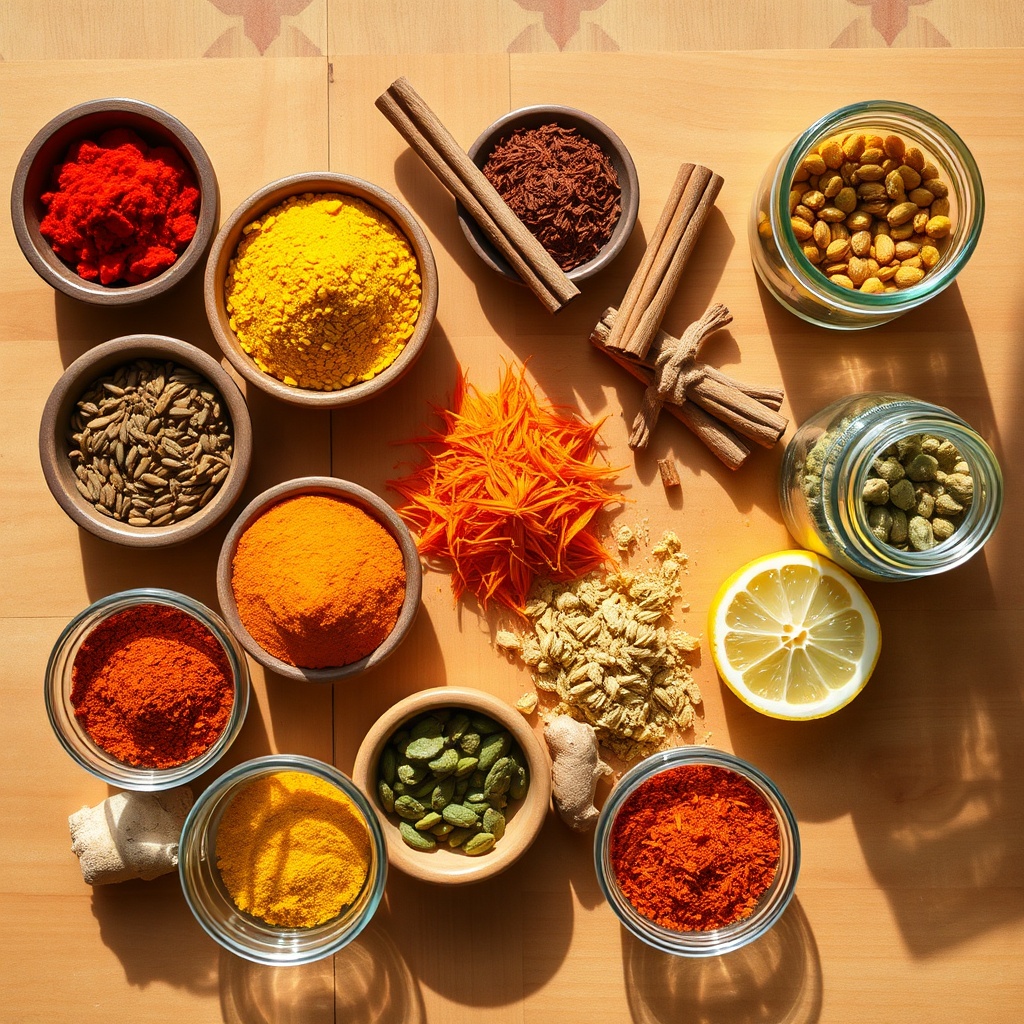
*A flat lay showcasing the core spices required for a Moroccan pantry.*
Essential Moroccan Spices Guide 2026: Core spices and their culinary roles
Cumin seeds – earthy backbone of tagines and **spice pairings for classic dishes like couscous and harira**. Coriander seeds – citrusy lift that brightens stews and vegetable dishes. Paprika (sweet and smoked) – adds color and a gentle heat to chermoula and grilled meats. Cinnamon sticks – sweet warmth essential for **Traditional Moroccan spice blends for tagine** and desserts. Ginger powder – sharp zing that balances sweet‑spicy desert blends. Turmeric – golden hue and anti‑inflammatory **health benefits of cumin, coriander, and paprika in Moroccan cuisine**. Saffron threads – luxury aroma; 2026 export growth hit 12 % YoY, making it more accessible. Fenugreek seeds – nutty, slightly bitter note prized in Atlas Mountain blends. Preserved lemon zest – intense citrus that defines coastal tagines.
**Example ratio** for a classic ras el hanout (2026 version): 2 parts cumin, 1 part cinnamon, 1 part paprika, ½ part ginger, ¼ part fenugreek, a pinch of saffron, and a dash of preserved lemon zest.
**Definition:** ras el hanout – a complex Moroccan blend traditionally containing 30‑40 spices; modern versions often simplify to 6‑10 key ingredients while preserving flavor depth.
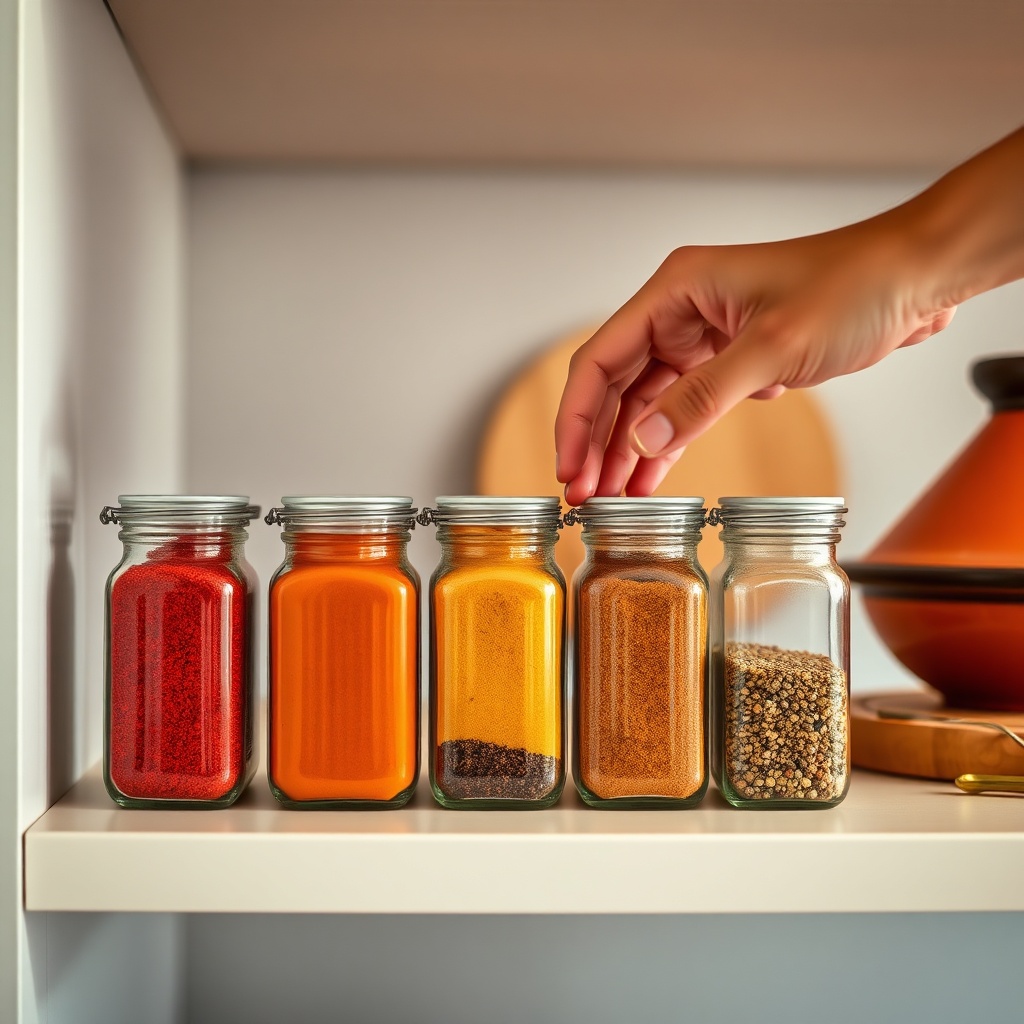
*A lifestyle photo demonstrating the storage and organization of Moroccan spices in a home kitchen.*
Where to source authentic, high‑quality spices in 2026
- **Online marketplaces** such as SpiceWorld list certified fair‑trade Moroccan cooperatives with third‑party lab results. - **Certified cooperatives** like the Marrakech Spice Cooperative provide bulk saffron at 12 % lower cost per gram than retail. - **Local specialty stores** in major U.S. cities now stock small‑batch fenugreek from the Atlas region, verified by the Organic vs. conventional Moroccan spice production trends 2026 report.
Optimal storage methods for maximum potency
1. Transfer spices to **amber‑glass jars** with silicone seals. 2. Place jars in a dark cabinet kept at **15‑20 °C**; a simple hygrometer ensures humidity stays below 55 %. 3. Add a food‑grade desiccant packet to each jar; this reduces moisture and can **extend shelf life by up to 30 %**. 4. Label each jar with the purchase date; rotate usage so the oldest stock is used first.
**Quick Answer:** > Store Moroccan spices in airtight amber jars at 15‑20 °C, away from sunlight, and include a desiccant packet. This method preserves flavor for up to two years, compared with 18 months in standard pantry storage.
Regional Flavor Profiles: How Geography Shapes Moroccan Spice Blends ### Atlas Mountains: Earthy and smoky blends
High‑altitude dishes rely on **fenugreek** and smoked paprika, creating a rustic, smoky profile. Traditional mountain tagines often combine these with a touch of **cinnamon** to counterbalance the cool climate.
Coastal cities (Essaouira, Agadir): Citrus‑infused mixes
Sea‑salted fish stews use **preserved lemon zest**, sea salt, and a splash of orange blossom water. The citrus brightens the natural brine and pairs perfectly with **paprika** for a subtle heat.
Desert oides (Merzouga, Zagora): Sweet‑spicy balances
Desert stews feature rose petals, honey‑dried figs, and a pinch of **cinnamon** and **saffron**. The sweet‑spicy balance reflects the oasis’s need for both energy and hydration.
**Quick Answer:** > Atlas blends focus on fenugreek and smoked paprika; coastal mixes highlight preserved lemon zest and sea salt; desert blends combine rose petals, honey‑dried figs, cinnamon, and saffron for a sweet‑spicy profile.
Health Boosts Backed by 2026 Research: Nutritional Power of Moroccan Spices ### Anti‑inflammatory compounds in turmeric and ginger
The 2026 Moroccan Institute of Nutrition published a double‑blind trial showing that daily consumption of ½ tsp turmeric and ¼ tsp ginger reduced C‑reactive protein by 18 % in adults with mild arthritis.
Antioxidant density of saffron and cinnamon
A new drying technique introduced in 2026 raised saffron’s ORAC score by **8 %**, making it one of the most antioxidant‑rich spices. Cinnamon’s polyphenol content also peaked in the latest harvest, delivering measurable oxidative stress reduction.
Metabolic support from cumin and coriander seeds
Research recommends **1 tsp cumin** and **1 tsp coriander** per day for improved glucose regulation. Both spices stimulate digestive enzymes, aiding nutrient absorption.
**Definition:** preserved lemons – lemons that are pickled in salt and their own juices for several weeks, developing a deep, fermented citrus flavor used widely in Moroccan cooking.
Modern Fusion: Using Moroccan Spices in Contemporary 2026 Menus ### Moroccan‑infused plant‑based proteins
1. Press firm tofu and pat dry. 2. Mix **ras el hanout** (2 tsp) with olive oil and lemon juice. 3. Marinate tofu for 20 minutes, then grill 4 minutes per side. 4. Serve over quinoa with a drizzle of harissa‑yogurt sauce.
Cross‑cultural desserts: Spice‑laden pastries and smoothies
- **Saffron‑cardamom oat pancakes**: blend oat flour, almond milk, ¼ tsp saffron, ¼ tsp cardamom, and a pinch of salt. Cook on a hot griddle, top with honey‑fig compote. - **Spiced avocado smoothie**: combine avocado, coconut water, ½ tsp cinnamon, and a splash of preserved lemon zest for a bright finish.
Cocktail and mocktail innovations
The “Moroccan Mint Mule” mixes fresh mint, ginger‑beer, lime, and a **cumin‑infused simple syrup** (1 tsp cumin steeped in sugar water for 10 minutes). Garnish with a thin slice of preserved lemon.
**Quick Answer:** > To create a Moroccan‑style plant‑based protein, marinate tofu in a 2‑tsp ras el hanout blend with olive oil and lemon, then grill. Pair with quinoa and harissa‑yogurt for a balanced, aromatic meal.
Budget‑Smart Spice Shopping: Getting the Essentials for Under $50 in 2026 ### Bulk buying vs. pre‑blended packs
Purchasing individual spices in 5‑kg bags saves an average **35 %** versus buying pre‑blended ras el hanout packets. For example, a 5‑kg bag of cumin costs $12, while a 200‑g ras el hanout pack is $7.
Seasonal sales and farmer‑market hacks
- **January**: Marrakech spice market offers 20 % off on saffron and cinnamon. - **April**: Agadir coastal market discounts preserved lemons after the lemon harvest. - **September**: Atlas mountain fairs provide bulk fenugreek at wholesale rates.
DIY blend recipes to stretch your pantry
1. Combine 2 parts cumin, 1 part coriander, ½ part paprika, ¼ part cinnamon, and a pinch of ground ginger. 2. Store in a sealed jar; this **DIY ras el hanout** costs under $3 for a 200‑g batch and can flavor dozens of dishes.
**Quick Answer:** > Buying spices in 5‑kg bulk bags and creating your own ras el hanout can keep the total cost of a full Moroccan pantry under $50, even when accounting for premium saffron and preserved lemons.
Frequently Asked Questions (Featured Snippet Targeting)
1. **What are the must‑have spices for authentic Moroccan cooking in 2026?** – Cumin, coriander, paprika, cinnamon, ginger, turmeric, saffron, fenugreek, and preserved lemon zest. Each delivers a distinct role, from earthy depth to bright citrus. 2. **How long do Moroccan spices stay fresh if stored properly?** – In airtight amber jars at 15‑20 °C, spices retain peak aroma for 18‑24 months; ground spices lose potency faster, lasting about 12 months. 3. **Can I substitute any Moroccan spices if I can’t find them locally?** – Replace fenugreek with a mix of mustard seeds and a dash of maple syrup for bitterness; swap preserved lemons with fresh lemon zest plus a pinch of salt. 4. **What health benefits do Moroccan spices offer according to 2026 studies?** – Turmeric and ginger provide anti‑inflammatory effects; saffron and cinnamon boost antioxidant capacity; cumin and coriander support metabolic health. 5. **Where is the best place to buy fair‑trade Moroccan spices online in 2026?** – Platforms like SpiceWorld list certified cooperatives, and the Marrakech Spice Cooperative offers direct bulk orders with transparent sourcing.
Conclusion
The **Essential Moroccan Spices Guide 2026** has walked you through pantry fundamentals, regional flavor nuances, cutting‑edge health data, and modern culinary applications while keeping costs under $50. By assembling the nine core spices, mastering storage formulas, and experimenting with DIY ras el hanout, you’ll experience authentic Moroccan depth in every dish. Download the printable 2026 Moroccan Spice Checklist,
Conclusion
Mastering the art of Moroccan cuisine does not require a professional kitchen, only the right ingredients and a bit of know-how. This **Essential Moroccan Spices Guide 2026** has equipped you with everything from budget-friendly sourcing hacks to innovative recipes that blend tradition with modern health trends. By investing in high-quality staples like ras el hanout and saffron, you transform everyday meals into aromatic experiences rich in culture and flavor. Don't let these vibrant spices gather dust in your pantry; start experimenting with new blends today. Ready to elevate your culinary journey? Download our exclusive 2026 Moroccan Spice Checklist now to ensure your pantry is perfectly stocked for your next feast.
Frequently Asked Questions
**How can I build a Moroccan spice pantry on a budget?** Buying spices in bulk, specifically 5-kg bags, can save you up to 35% compared to pre-blended packs. Additionally, creating your own blends like ras el hanout keeps costs low, allowing you to stock a full pantry for under $50.
**What is a quick recipe for homemade ras el hanout?** Mix 2 parts cumin, 1 part coriander, ½ part paprika, ¼ part cinnamon, and a pinch of ground ginger. Store this mixture in a sealed jar to create an affordable and flavorful alternative to store-bought versions.
**How can I incorporate Moroccan spices into drinks?** You can create a "Moroccan Mint Mule" by using a cumin-infused simple syrup. Simply steep 1 teaspoon of cumin in sugar water for 10 minutes, then mix with ginger beer, fresh mint, and lime for a unique, savory cocktail.
**When do spice markets offer the best sales?** Timing your purchases is key for savings. Look for saffron and cinnamon discounts in January at the Marrakech spice market, preserved lemon deals in April in Agadir, and bulk fenugreek rates during September fairs in the Atlas mountains.