
DIY Moroccan Hammam Ritual At Home
**Quick Answer:** > A DIY Moroccan Hammam Ritual requires three essentials: a steam chamber maintained at 40‑45°C, authentic cleansing agents (black soap and ghassoul clay), and a structured 30-minute ceremony. Create steam using a portable humidifier or large pot with lid, apply <a href="https://www.arganit.com/products/arganit-organic-moroccan-black-soap-with-eucalyptus-authentic-beldi-exfoliating-scrub-traditional-hammam-savon-noir-250g-8-8-oz-copy-copy">black soap</a> to prep skin, follow with a <a href="https://www.arganit.com/">ghassoul clay mask</a> infused with eucalyptus oil, then massage with argan oil. This sequence delivers professional-grade exfoliation, detoxification, and relaxation using budget-friendly, accessible tools.
**Definition: Savon Noir (Black Soap)**
Traditional Moroccan black soap is a gel-formulated cleanser made from crushed olives, olive oil, and potassium hydroxide. This vegetable-based soap deeply cleanses pores while maintaining skin moisture, serving as the essential first step in hammam rituals for loosening dead skin cells and preparing the body for exfoliation.
**Definition: Ghassoul Clay**
Ghassoul clay, mined from the Atlas Mountains of Morocco, is a volcanic clay renowned for its exceptional absorbency and mineral content. Unlike typical clays, ghassoul expands when wet and can absorb up to seven times its weight in impurities, making it ideal for detoxifying masks that draw out toxins while enriching skin with essential minerals.
Introduction
The allure of the Moroccan hammam lies in its unique blend of intense steam, rhythmic exfoliation, and fragrant aromatics—a ritual that has soothed bodies for centuries. In 2026, home-wellness enthusiasts recreate this experience using affordable tools and authentic ingredients sourced from kitchen pantries and specialty suppliers. Transforming a modest bathroom into a traditional steam sanctuary unlocks the same detoxifying benefits while honoring centuries-old wellness traditions.
This guide details space preparation, ingredient sourcing, precise timing protocols, and customization techniques for various skin types and seasonal needs. Budget-conscious readers will discover safe, effective equipment alternatives and comprehensive safety protocols ensuring spa-quality results without expensive installations.
Key Takeaways
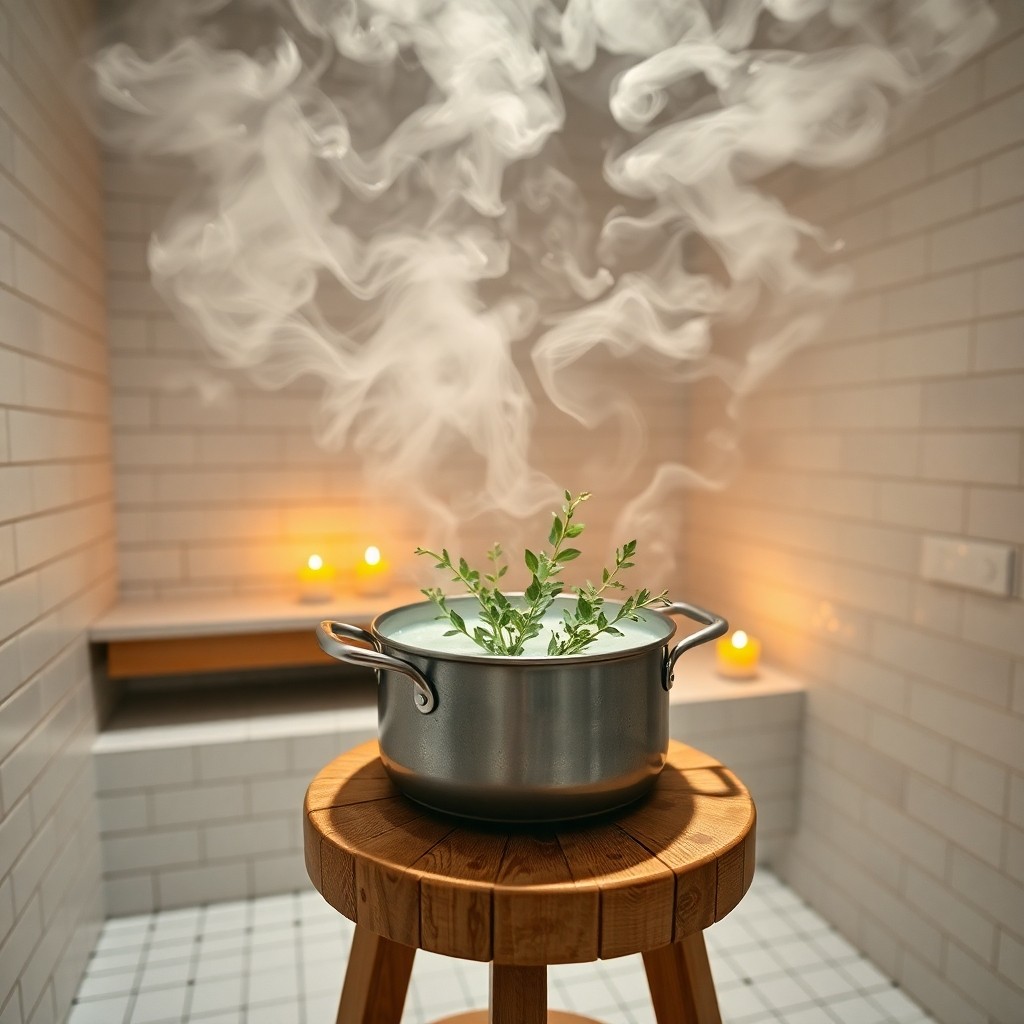
*A cozy bathroom filled with steam and eucalyptus, setting the mood for the ritual.*
- Traditional Moroccan hammam elements translate seamlessly to home environments with proper temperature control - Steam sessions require 40-45°C maintenance for optimal skin permeability and relaxation response - Authentic ingredients deliver superior results compared to conventional spa products - Structured timing prevents overheating while maximizing therapeutic benefits
Essential Components of Home Hammam Rituals
Creating an authentic Moroccan hammam experience demands attention to three fundamental elements: thermal environment, cleansing agents, and ceremonial timing. Each component works synergistically to produce the ritual's distinctive wellness outcomes.
Steam Chamber Construction
Converting existing bathroom space requires sealing gaps around doors and windows to contain humidity. For safe steam generation, use either a cool-mist humidifier set to maximum output or a large stockpot with tight-fitting lid positioned on a stable surface. Maintain ambient temperature between 40-45°C using a digital thermometer—higher temperatures risk burns while lower ranges fail to open pores effectively. Continuous steam circulation prevents stagnant air pockets and ensures even heat distribution throughout the treatment area.
Authentic Cleansing Agents
**Black soap application** requires thorough damp skin coverage, left to absorb for 3-5 minutes before exfoliation. The soap's alkaline properties break down surface impurities while its olive base prevents excessive drying. **Ghassoul clay preparation** involves mixing 2 tablespoons of clay powder with 1 teaspoon eucalyptus essential oil and enough warm water to create a smooth paste. This mixture should apply immediately, as ghassoul begins drying within minutes of hydration. Allow 8-10 minutes for full detoxification before rinsing with lukewarm water.
Ceremonial Timing Protocol
The complete ritual spans 30 minutes: 5 minutes pre-heating to reach target temperature, 15 minutes active steam exposure, 10 minutes sequential cleansing and exfoliation, followed by 5 minutes post-steam moisturization. This timeframe optimizes circulatory benefits while preventing dehydration or thermal fatigue.
Step-by-Step Home Ritual Implementation
Successful hammam recreation demands methodical execution of each ceremonial phase. Preparation begins 24 hours prior with skin hydration and space assessment.
Pre-Ritual Preparation
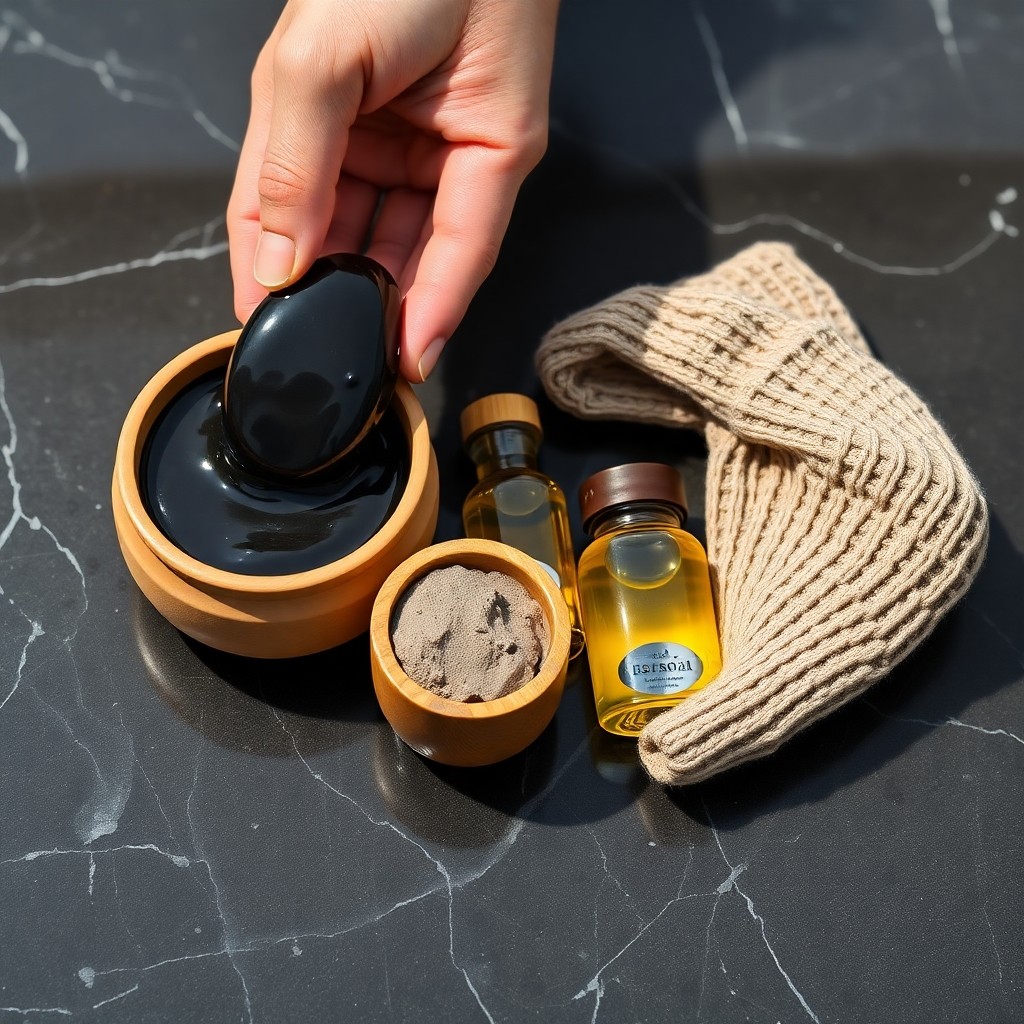
Hydrate thoroughly the day before treatment, drinking at least 64 ounces of water to support skin elasticity. Remove all fabric softener residues from towels, as these impede absorbency during exfoliation phases. Set out all tools: black soap, ghassoul clay mixture, exfoliating glove, and argan oil within easy reach of your prepared steam chamber.
Active Steam Phase
Enter sealed bathroom and activate steam source, allowing 5 minutes for temperature stabilization. Sit comfortably on waterproof matting, drape towels nearby, and breathe deeply to oxygenate bloodstream. Monitor temperature continuously—use timer to ensure 15-minute exposure maximum. Exit briefly if dizziness occurs, returning only after symptoms resolve completely.
Cleansing and Exfoliation Sequence
Apply black soap using circular motions across entire body surface, focusing on rough areas like elbows and knees. Allow full absorption before applying ghassoul clay mask, avoiding eye and lip contact due to eucalyptus potency. Use traditional kessa glove for final exfoliation, moving systematically from extremities toward heart center. Rinse thoroughly with gradually cooling water to close pores effectively.
Post-Care Nourishment
Massage 100% pure argan oil into skin while still damp, allowing natural absorption to lock in moisture. Wrap in thermal robe for 10 minutes minimum, permitting residual heat to penetrate oil fully. Drink additional 16 ounces of water to replace fluid losses and support continued detoxification processes.
Safety Considerations and Contraindications
Hammam rituals, while generally safe, present specific risks requiring careful attention. Never exceed recommended steam exposure times, particularly for individuals with cardiovascular conditions or pregnancy status. Those with rosacea, eczema, or open wounds should consult healthcare providers before attempting intensive steam treatments.
Ensure adequate ventilation upon completion—open windows and doors to prevent humidity-related mold growth. Replace any water-damaged materials immediately to maintain indoor air quality standards. Keep emergency contact information accessible during solo sessions, especially when using essential oils that may trigger unexpected reactions.
Customization for Different Needs
Seasonal adaptations enhance ritual effectiveness throughout changing weather patterns. Winter sessions benefit from extended pre-heating phases and richer oil blends containing vitamin E for enhanced barrier protection. Summer treatments require shorter durations and lighter formulations to prevent overheating in already elevated ambient temperatures.
Skin-type modifications include reducing clay contact time for sensitive complexions and increasing black soap concentration for oily or acne-prone individuals. Shared-space protocols involve sequential rather than simultaneous treatments, utilizing portable steam units that relocate easily between rooms without permanent installation requirements.
Conclusion
Home-based Moroccan hammam rituals offer accessible luxury through thoughtful preparation and authentic ingredient selection. By maintaining proper thermal parameters, following structured timing protocols, and respecting individual physiological responses, anyone can experience centuries-old wellness traditions without leaving their residence. Regular practice—recommended 2-3 times monthly—delivers cumulative benefits including improved circulation, enhanced skin texture, and profound stress reduction that rivals professional spa environments.
*Meta description: Discover how to recreate authentic Moroccan hammam rituals at home in 2026 using safe steam techniques, traditional black soap, ghassoul clay preparations, and precise timing protocols for spa-quality results.*