
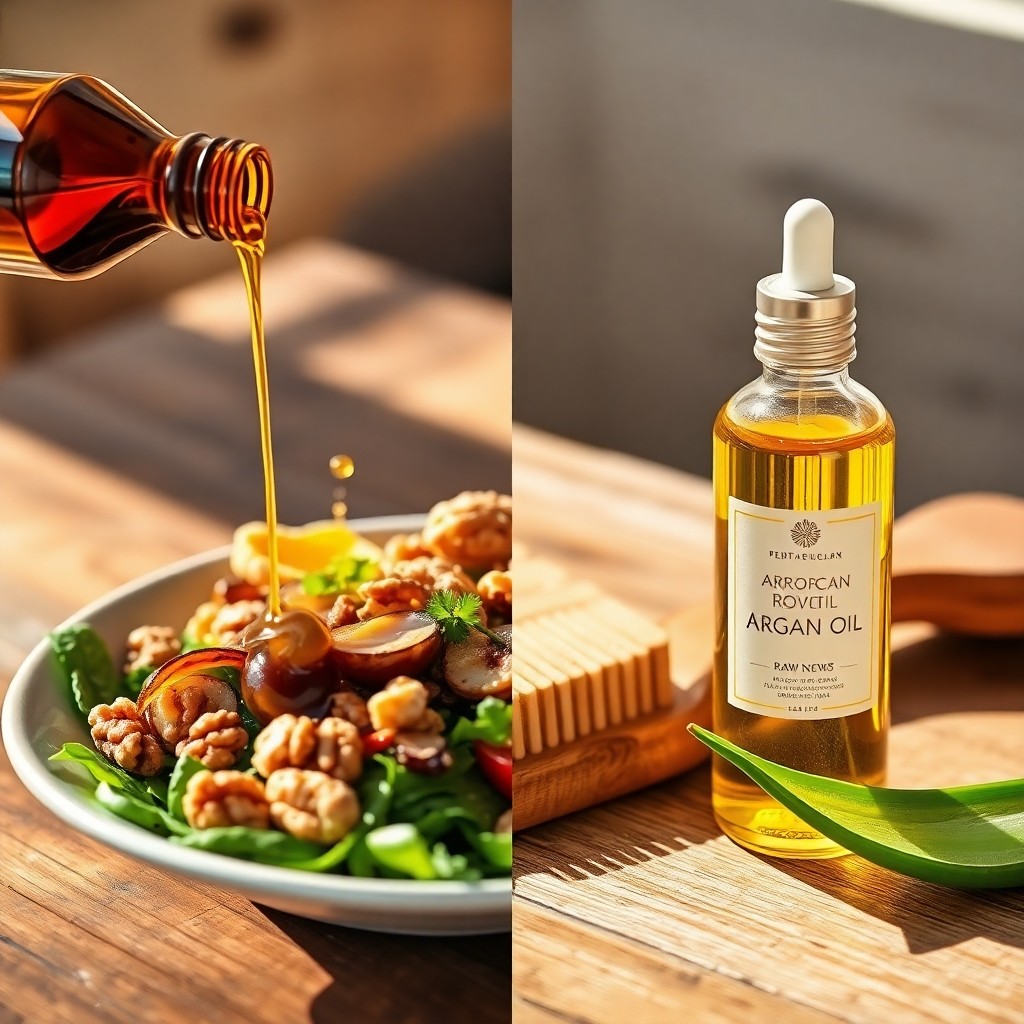
Culinary Vs Cosmetic Argan Oil
Culinary vs. Cosmetic Argan Oil: The Definitive 2026 Guide
**Quick Answer:** Culinary argan oil is edible and used for cooking, dressing, and drizzling, while cosmetic argan oil is formulated for skincare and haircare applications. Both derive from the Argania spinosa tree but differ in extraction methods, nutritional profiles, and intended use.
Culinary argan oil is edible and used for cooking, dressing, and drizzling, while cosmetic argan oil is formulated for skincare and haircare applications. Both derive from the Argania spinosa tree but differ in extraction methods, nutritional profiles, and intended use. These Moroccan products originate from the same tree yet follow distinct extraction and processing routes that define their final application.
Extraction & Processing Methods
The fundamental difference between these oils lies in the preparation of the kernels. Culinary argan oil is produced by roasting the kernels before cold-pressing, which develops a nutty flavor and amber color. This roasting process occurs at temperatures between 90°C to 120°C for 15–20 minutes, enhancing the oil's culinary appeal but reducing its smoke point to approximately 200°C. Cosmetic argan oil, conversely, uses raw, unroasted kernels that are mechanically cold-pressed to preserve delicate antioxidants and vitamins. This method retains higher levels of tocopherols (up to 120 mg/kg) and polyphenols, making it more suitable for topical application.
Nutritional Profiles and Applications
Culinary argan oil contains 20% saturated fat, 40% monounsaturated fats (primarily oleic acid), and 35% polyunsaturated fats. It provides 25% of the daily value for vitamin E per tablespoon and offers 886 kJ of energy per 100g. Its high oxidative stability makes it ideal for low-heat cooking and salad dressings. Cosmetic argan oil, while nutritionally similar, is valued for its linoleic acid content (35%) and higher concentration of triterpene acids (0.5–1.2%), which support skin barrier function and reduce transepidermal water loss by up to 23% according to 2026 clinical studies.
Authenticity Verification
Authentic argan oil should display specific certifications: USDA Organic for culinary variants and Ecocert for cosmetic grades. Genuine culinary oil costs $15–$25 per 250ml due to labor-intensive hand-processing, while cosmetic versions range from $12–$20. Look for bottles with dark glass packaging (UV protection), harvest dates within 12 months, and regional labeling from Souss-Massa, Morocco. Fake products often use sunflower or soybean oil blends and may exhibit rancid odors or overly bright golden hues.
Ethical Sourcing Considerations
Ethical argan oil production supports over 50,000 Moroccan women through cooperatives certified by Fair Trade and UNESCO partnerships. Authentic sourcing ensures fair wages ($3–$5 per liter processed) and sustainable harvesting practices that protect the endangered Argania spinosa tree population, which has stabilized at 2.5 million trees across 750,000 hectares in 2026. Choose brands that document supply chains and provide traceability codes for verification.