
Chebakia: How To Make Morocco's Ramadan Pastry
Chebakia is the star of Moroccan Ramadan tables, a deep-fried, flower-shaped pastry coated in a sticky honey-sesame glaze that's as symbolic as it is delicious. This guide covers everything you need to know, from its exact definition and core ingredients to the intricate process of making it at home, its cultural role, and how it compares to similar North African sweets.
Key Takeaways
- Chebakia is a deep-fried, flower-shaped pastry coated in a honey-sesame glaze, most famously prepared for Ramadan. - Its distinctive flavor comes from a blend of warm spices like anise, cinnamon, and orange blossom water. - The preparation is labor-intensive, involving a multi-step process of shaping, frying, and glazing. - It is a symbol of hospitality and celebration in Moroccan culture, often served with mint tea or harira soup. - Chebakia is distinct from other Middle Eastern pastries like baklava or lokma, primarily due to its specific shape and spice profile.
What Is Chebakia? The Complete Answer
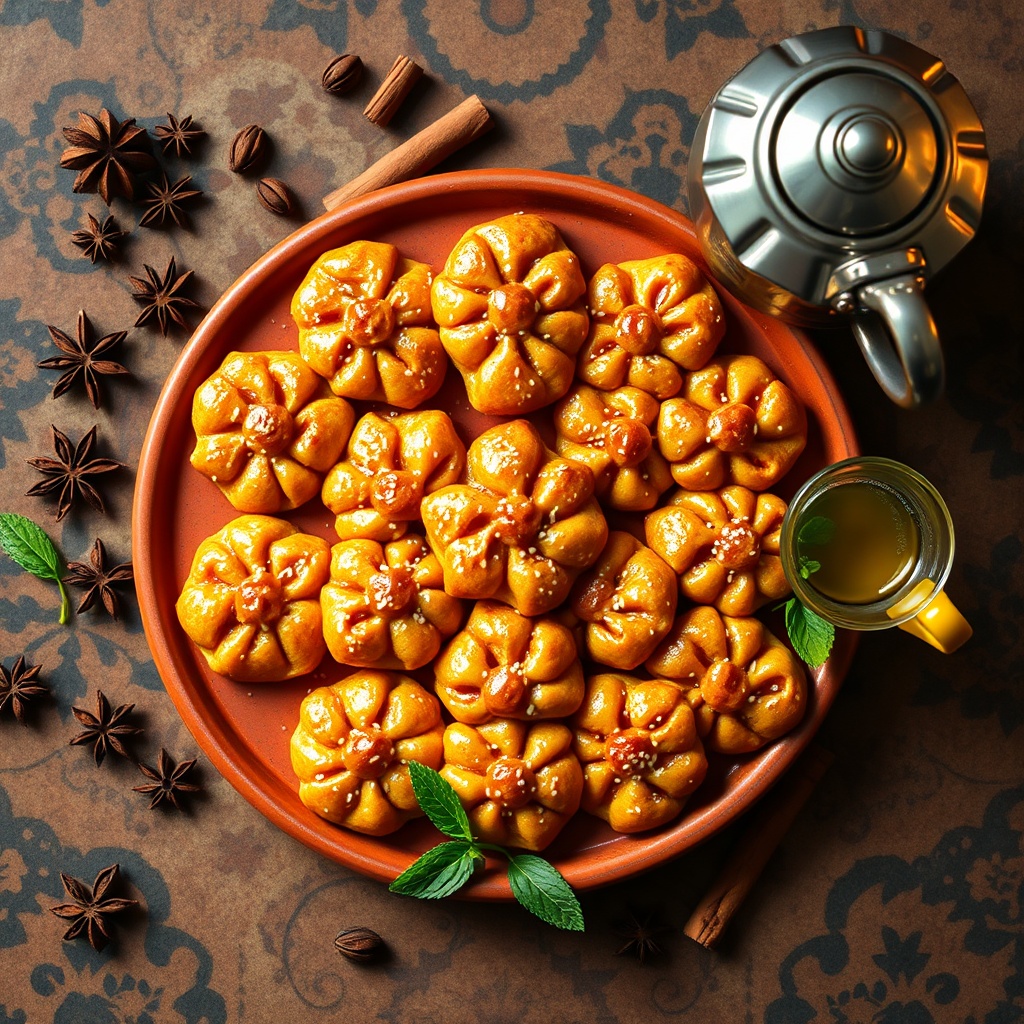
*A festive, overhead composition highlighting the signature shape and glossy finish of chebakia paired with traditional accompaniments.*
The Definitive Definition
Chebakia is a Moroccan pastry made from a spiced dough that is shaped into a flower or pretzel-like form, deep-fried until golden, and then soaked in a warm honey syrup. The name comes from the Arabic word "chebbak," which means to intertwine or interlace, perfectly describing the intricate folding technique used to create its signature shape.
**Quick Answer:** Chebakia is a traditional Moroccan pastry made from spiced dough, shaped into a flower, deep-fried, and glazed with honey and sesame seeds. It is most famously served during Ramadan.
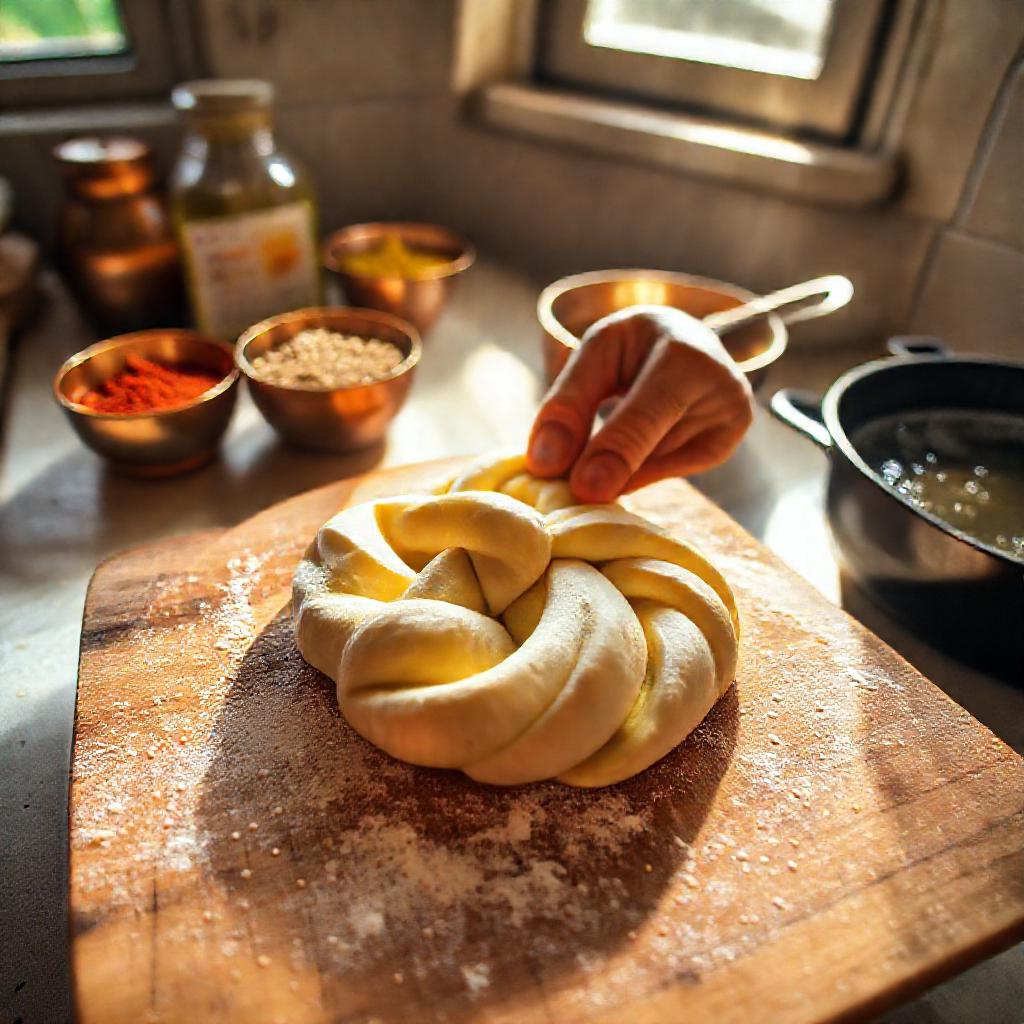
*A detailed shot focusing on the intricate folding technique used to create authentic chebakia before frying and glazing.*
The Core Flavor Profile
The primary taste components of chebakia are toasted sesame seeds, floral orange blossom water, and a blend of spices including anise and cinnamon. Some regional variations also incorporate saffron or mastic for an extra layer of complexity.
The texture is a study in contrasts: a crisp exterior from frying, softened by the honey glaze, and a dense, slightly chewy interior. This combination makes it a highly satisfying treat that pairs perfectly with a cup of strong mint tea.
The Cultural Significance
Chebakia is an essential part of Ramadan traditions in Morocco, often served to break the fast alongside harira soup. Its high energy content makes it an ideal food for replenishing energy after a long day of fasting. Beyond Ramadan, it also plays a role in celebrations like weddings and Eid, where it's given as a gift to guests, symbolizing hospitality and generosity.
The Essential Ingredients and Flavor Science
The Dough: A Foundation of Spices
The dough for chebakia is a simple but flavorful mix of dry and wet ingredients.
- **Dry ingredients:** Flour, toasted sesame seeds, anise, cinnamon, and a pinch of salt. - **Wet ingredients:** Orange blossom water, vegetable oil, and an egg to bind the dough (though traditional recipes often omit the egg, making it vegan).
Toasting the sesame seeds is a crucial step. It releases their nutty aroma and adds a depth of flavor that raw seeds can't provide. The anise and cinnamon provide the warm, aromatic backbone that defines the pastry's taste.
The Glaze: The Heart of the Pastry
The glaze is what gives chebakia its characteristic shine and sweetness. It's typically made from a mixture of orange blossom honey, orange blossom water, and a touch of lemon juice. The process of "blooming" is essential: hot fried dough is immediately immersed in the warm syrup, allowing it to absorb the honey and become sticky and flavorful.
**Definition:** "Blooming" is the process of soaking a hot, fried pastry in a warm syrup. For chebakia, this allows the honey to penetrate the crispy exterior, creating a soft, sticky, and intensely flavorful glaze.
The Spice Blend: A Regional Signature
The spice mix for chebakia can vary by region. In Fes, for example, the blend might be more heavily focused on anise and cinnamon, while in Marrakech, a touch of saffron or mastic gum might be added for a more complex, floral aroma. This regional variation makes each batch of chebakia a unique reflection of its maker's local traditions.
The Step-by-Step Process: How Chebakia Is Made
Step 1: Preparing the Dough
The process begins by mixing the flour, spices, and toasted sesame seeds. The wet ingredients—orange blossom water, oil, and optionally an egg—are then added to form a stiff, pliable dough. This dough is kneaded until smooth and then allowed to rest, which helps the gluten develop and makes the dough easier to roll out.
Step 2: Shaping the Signature Flower
This is the most difficult and time-consuming step. The dough is rolled into thin sheets and cut into rectangles. Each rectangle is then folded and cut with a special technique to create the interlaced flower shape. The process involves making cuts in the dough and then weaving the strips through each other to create a central "flower" with petals. This intricate folding is what gives chebakia its distinctive and beautiful appearance.
Step 3: Frying and Glazing
The shaped pieces are deep-fried in hot oil until they are a deep golden brown. Immediately after frying, they are immersed in the warm honey syrup for a brief soak. This allows the pastry to absorb the honey and become sticky and glossy. Finally, they are drained and allowed to set on a wire rack so the glaze can firm up.
Chebakia vs. Other Middle Eastern and North African Pastries
A Comparative Analysis
Chebakia is often compared to other pastries from the region, but it stands apart in several key ways.
- **Baklava:** This Levantine pastry is made from layers of phyllo dough filled with nuts and sweetened with syrup. Unlike chebakia, baklava is baked, not fried, and its texture is flaky and crisp, not dense and chewy. - **Lokma:** These are simple fried dough balls soaked in syrup. While both chebakia and lokma are fried and glazed, lokma lacks the complex spice blend and the intricate shaping that defines chebakia. - **Griwech:** This is the Algerian counterpart to chebakia. It has a similar shape and preparation method, but its spice profile is different, often featuring turmeric and saffron more prominently.
Comparison Table: Chebakia vs. Griwech vs. Baklava
| Feature | Chebakia (Morocco) | Griwech (Algeria) | Baklava (Levant) | | :--- | :--- | :--- | :--- | | **Primary Dough** | Spiced wheat dough | Spiced wheat dough | Phyllo sheets | | **Shape** | Interlaced flower | Twisted or folded ribbon | Layered triangles or squares | | **Key Flavors** | Anise, sesame, orange blossom | Turmeric, saffron, honey | Pistachio, walnut, rosewater | | **Preparation** | Deep-fried, then glazed | Deep-fried, then glazed | Baked, then glazed |
Why Chebakia Stands Out
Chebakia's unique combination of the flower shape and the dense, chewy texture sets it apart. The dough's specific composition, with its high sesame content and warm spices, creates a flavor profile that is both deeply nutty and floral. This, combined with the labor-intensive shaping process, makes chebakia a true culinary art form.
Buying, Storing, and Serving Chebakia
How to Choose Quality Chebakia
When buying chebakia, look for a deep, golden-brown color and a shiny, sticky glaze. The aroma should be strongly floral and nutty, with a clear hint of anise. The pastry should be crisp on the outside and slightly chewy on the inside, not hard or stale.
Storage and Shelf Life
Chebakia keeps well at room temperature for several weeks if stored in an airtight container. Refrigeration is not recommended, as it can make the glaze sticky and the pastry soggy. If you want to prepare ahead, you can freeze the shaped, un-fried dough for later frying.
**Quick Answer:** To store chebakia, keep it in an airtight container at room temperature for up to several weeks. Avoid refrigeration, which can make the pastry soggy.
The Perfect Serving Occasions
Chebakia is traditionally served with Moroccan mint tea or harira soup, especially during Ramadan. It's also a common gift during Eid and other celebrations, presented in decorative boxes or on large platters. Its versatility makes it a welcome treat for any festive occasion.
Frequently Asked Questions (FAQ)
Is chebakia the same as griwech?
No, while they share a similar shape and preparation method, chebakia is a distinct Moroccan pastry with a specific spice profile, whereas griwech is the Algerian counterpart. The spices used in each are different, giving them unique flavor profiles.
Why is chebakia only eaten during Ramadan?
While it's most famous for Ramadan, it can be made year-round. Its association with the month is due to its high energy content and the tradition of sharing it after the fast.
Can I make chebakia without orange blossom water?
Orange blossom water is a key flavor component. However, you can substitute it with rose water or a mix of vanilla and lemon zest, though the final taste will be different.
What is the best way to reheat chebakia to make it crisp again?
Place the pastries on a baking sheet in a low-temperature oven (around 150°C) for 5-10 minutes. This will re-crisp the exterior without burning the honey glaze.
Is chebakia a vegan pastry?
Traditional recipes are often vegan, as they don't contain butter, milk, or eggs. However, some modern variations might include an egg for dough enrichment, so it's best to ask the maker or check the recipe.
Conclusion
Chebakia is a unique, labor-intensive Moroccan pastry with a rich cultural heritage and a distinct flavor profile. Its intricate flower shape and the combination of anise, sesame, and orange blossom water make it a truly special treat. More than just a dessert, it is a symbol of hospitality and celebration, deeply woven into the fabric of Moroccan life.
Whether you decide to try making it at home or seek it out at a Moroccan bakery, experiencing chebakia is a journey into the heart of North African culinary tradition. The effort required to make it is a testament to the care and love that goes into sharing this beautiful pastry with family and friends.