
What Are The Best Tagine Recipes?
Best Tagine Recipes: The Complete Guide to Authentic Moroccan Cooking
Introduction
There's a moment when the lid lifts off a tagine and the steam carries cumin, cinnamon, and preserved lemon into the kitchen — that's when you understand why Moroccan cuisine has captivated cooks for centuries. The best tagine recipes are more than just stews; they're slow-cooked, aromatic, one-pot meals that transform simple ingredients into something deeply satisfying. This guide covers everything from traditional clay-pot methods to modern Dutch oven adaptations, so you can master authentic Moroccan cooking regardless of your kitchen setup.
Key Takeaways
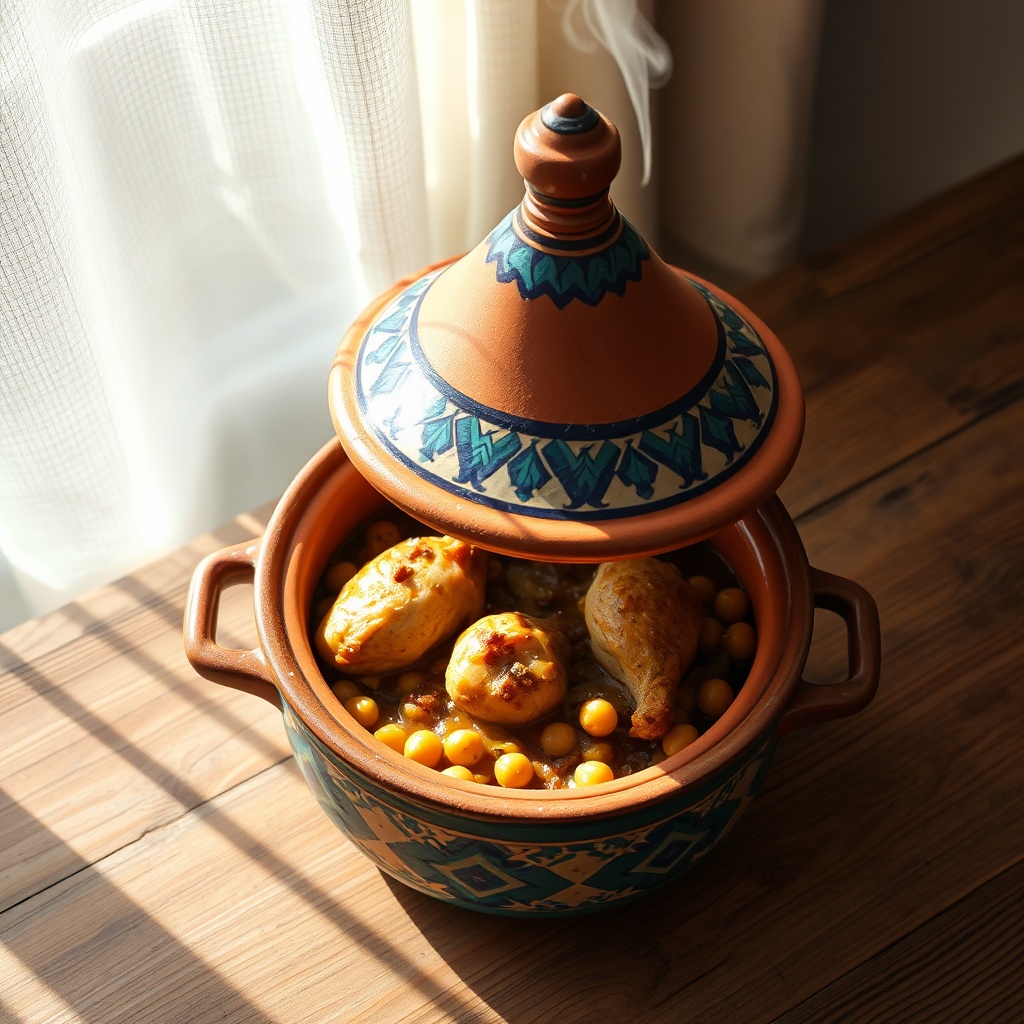
*Showcases the iconic ceramic vessel and signature slow-cooking technique central to authentic Moroccan cuisine.*
- Tagine cooking is about technique (layering, slow simmering) as much as ingredients - The vessel matters: traditional clay tagines vs. Dutch ovens both work with adjustments - Master a few core recipes (chicken, lamb, vegetable) before experimenting - Spice blends are the backbone of authentic flavor — building your own ras el hanout is easier than you think - Common mistakes (overcrowding, rushing the cook) ruin the dish more than any ingredient choice
The Complete Answer: What Defines the Best Tagine Recipes?
The best tagine recipes balance sweet and savory flavors, produce tender meat or hearty vegetables, and finish with a silky, reduced sauce. Three pillars define the style: a slow-cooking method, aromatic spice layering, and ingredient harmony.
The vessel and cooking time matter more than the specific ingredient list. A tagine cooked properly for three hours develops depth that no quick stovetop stew can replicate. What separates authentic Moroccan tagine from Western "tagine-style" stews is the technique: gentle caramelization of onions without pre-browning meat, minimal liquid (just enough to steam, not submerge), and careful layering that lets ingredients cook in their own juices.
**Quick Answer:** A tagine is a North African slow-cooked stew named after the conical earthenware pot it's cooked in. The best recipes combine spices like cumin, ginger, and cinnamon with preserved lemon, olives, or dried fruit to create a balance of savory and sweet.
**Definition:** Ras el hanout is a Moroccan spice blend whose name means "head of the shop" — it traditionally contains a mix of up to 20 spices, including cumin, coriander, cardamom, cinnamon, and ginger, with variations by region and family.
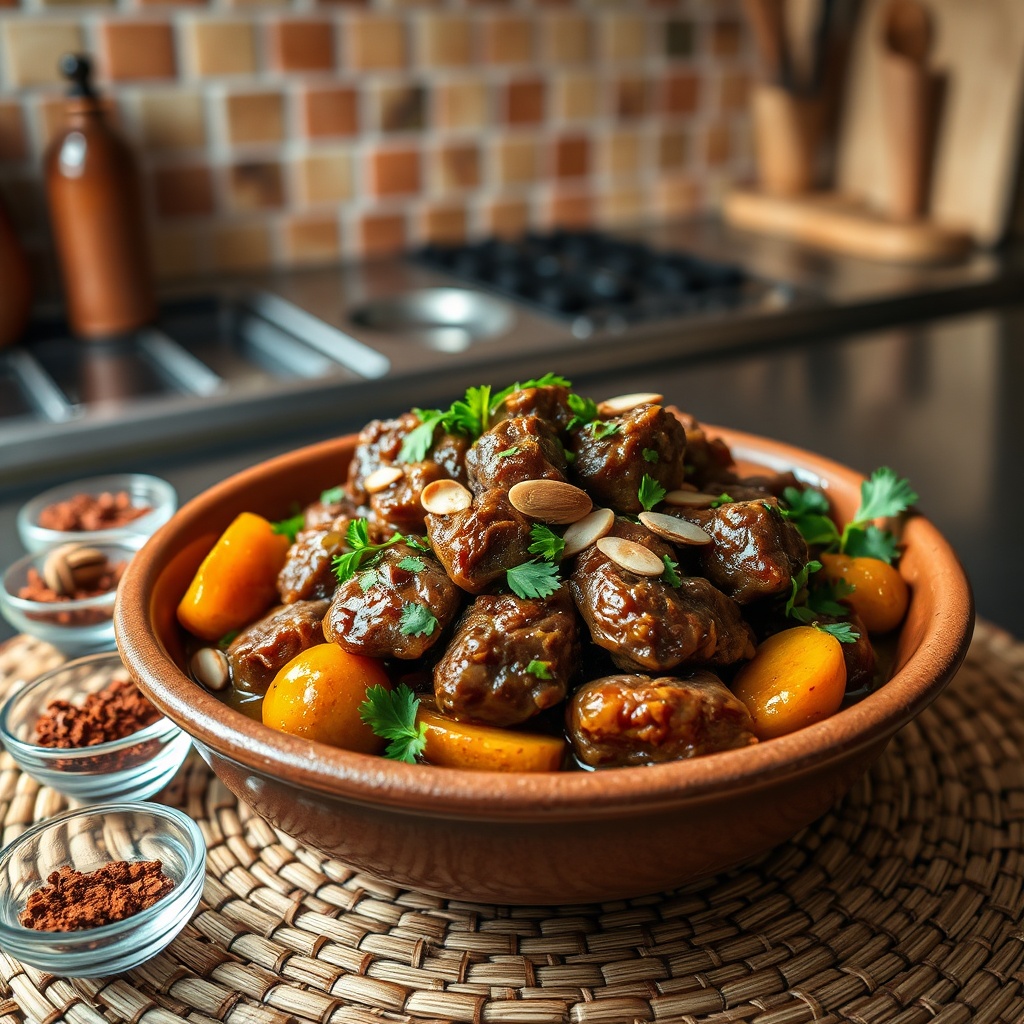
*Highlights the signature sweet-savory harmony and reduced sauce technique essential to authentic Moroccan stews.*
Choosing Your Cooking Vessel: Clay Tagine vs. Dutch Oven
The Traditional Clay Tagine: Benefits and Limitations
The conical lid of a traditional clay tagine creates a self-basting environment. As steam rises, it condenses on the cool upper surface and drips back down over the ingredients — a closed loop that keeps food moist without adding extra liquid. This is why authentic Moroccan tagines need so little water.
A clay tagine requires care. You'll want to season it before first use (soaking and slow heat-up, typically), and it can only handle low heat. On a stovetop, you'll need a diffuser to distribute heat evenly and prevent cracking. For small kitchens or cooks who prefer high-heat searing, a clay tagine can be impractical — but for purists who want the true texture and moisture retention, it's worth the investment.
The Dutch Oven Alternative: A Modern Adaptation
A heavy-bottomed Dutch oven replicates the low-and-slow moisture retention of a clay tagine remarkably well. The thick walls hold heat evenly, and the heavy lid creates a similar self-basting environment. The main adjustment is liquid: because a Dutch oven isn't as efficient at recycling condensation, you may need slightly more broth or water to prevent drying out.
Dutch ovens are more forgiving for beginners and high-heat stovetops. You can brown ingredients (though authentic tagines typically don't require pre-browning), use the oven, and move from stovetop to table without worrying about cracking. If you're cooking a quick weeknight tagine adaptation, a Dutch oven is the practical choice.
Comparison Table: Clay Tagine vs. Dutch Oven
| Feature | Clay Tagine | Dutch Oven | |---------|-------------|------------| | Moisture retention | Excellent (self-basting lid) | Good (heavy lid) | | Heat distribution | Even but slow | Even and responsive | | Stovetop compatibility | Low heat only (diffuser needed) | All heat sources | | Durability | Fragile, requires care | Very durable | | Best for | Purists, slow cooking | Everyday convenience |
The 7 Best Tagine Recipes to Master (Core Collection)
1. Chicken Tagine with Preserved Lemon and Olives
This is the benchmark recipe for beginners — the classic Moroccan chicken tagine that introduces you to the preserved lemons and olives flavor profile. The key technique is layering sliced onions and garlic at the bottom of the pot before adding the chicken. This prevents scorching and creates a bed that slowly releases moisture and sweetness as the tagine cooks. The preserved lemon adds a bright, salty-citrus punch that cuts through the richness of the chicken and olives.
2. Lamb Tagine with Apricots and Almonds
A lamb tagine with dried fruits showcases the sweet-savory balance that defines Moroccan cooking. Dried apricots melt into the sauce, adding natural sweetness that pairs beautifully with the earthy depth of lamb. Toasted almonds provide a textural contrast. Lamb shoulder is the ideal cut — it becomes tender and succulent over the long, slow cook. This is the quintessential lamb tagine with dried fruits.
3. Beef Tagine with Prunes and Cinnamon
This recipe reflects the Moroccan Jewish influence on the cuisine, with a deeper, spicier flavor profile. Prunes and cinnamon create a rich, dark sauce, while the beef becomes fall-apart tender without overcooking. The key is patience: the beef needs time to break down its connective tissue, so resist the urge to raise the heat. The sauce should reduce to a glossy, coating consistency.
4. Vegetable Tagine with Chickpeas and Harissa
The vegetarian star of the tagine repertoire, this recipe builds depth without meat. Root vegetables, squash, and chickpeas create a hearty, protein-rich stew. Harissa adds a warming heat, while the vegetables caramelize slowly in the spice-infused sauce. For vegetarian tagine variations, this is the one to master — it's filling enough for a main course and works beautifully with couscous.
5. Fish Tagine with Chermoula
A coastal specialty, fish tagine is faster and lighter than meat versions. Chermoula — a vibrant marinade of fresh herbs, garlic, lemon juice, and spices — is rubbed into firm white fish before cooking. Because fish cooks quickly, this tagine takes under an hour. The result is a fragrant, herbaceous dish that's perfect for weeknights when you want something impressive but fast.
6. Kefta Meatball Tagine with Eggs
The comfort food classic of Moroccan cuisine. Spiced ground meat is formed into small meatballs and simmered in a rich tomato sauce. The final step is poaching eggs directly in the sauce — the yolks thicken the sauce and create a silky, luxurious finish. Serve with crusty bread for dipping, and you have a complete meal in one pot.
7. Quince and Lamb Tagine (Seasonal)
An autumn specialty, this recipe uses fresh quince for a tart, floral sweetness that's unlike any other fruit. The quince holds its shape during cooking and infuses the sauce with a subtle perfume. If quince is unavailable, pears or apples make excellent substitutes — just adjust the cooking time since they soften more quickly. This is a dish that rewards the patient cook.
The Step-by-Step Tagine Cooking Method (Your Master Technique)
Step 1: Prepare the Base (Aromatics and Oil)
Sauté onions, garlic, and spices gently in olive oil. The goal is to soften the aromatics and bloom the spices — not to brown them. This slow release of flavor is what distinguishes tagine from a standard stew.
Step 2: Layer the Ingredients in the Correct Order
Meat or sturdy vegetables go at the bottom, aromatics in between, and delicate items on top. This layering ensures even cooking: the tougher ingredients get the most direct heat, while tender items steam gently above.
Step 3: Add the Liquid and Spice Blend
Use just enough broth or water to create steam, not a soup. The tagine's lid will recycle condensation, so you need far less liquid than you'd expect. Incorporate the spice blend at this stage for even distribution throughout the dish.
Step 4: Cover and Cook Low and Slow
Meat tagines typically take 2-3 hours on low heat; vegetable and fish tagines take 45-60 minutes. The key is maintaining a gentle simmer — the liquid should barely bubble. Resist the urge to stir frequently; the tagine's design handles moisture distribution on its own.
Step 5: Add Delicate Ingredients Near the End
Preserved lemons, olives, dried fruit, and fresh herbs should be added in the final 20-30 minutes of cooking. This prevents them from becoming mushy or losing their distinct flavors. It also ensures the preserved lemons and olives flavor profile stays bright rather than muddy.
Step 6: Reduce the Sauce (If Needed)
If the sauce is too thin, simmer uncovered for the last 10 minutes to concentrate it. Alternatively, use a spoon to crush some of the cooked vegetables against the side of the pot — this naturally thickens the sauce without a roux.
Step 7: Rest and Serve
A 10-minute rest after cooking improves flavor and texture. The meat relaxes, the sauce settles, and the flavors meld. Serve with traditional couscous, crusty bread, or steamed rice — couscous is the classic accompaniment for soaking up the sauce.
**Quick Answer:** The most common tagine mistake is adding too much liquid. A tagine needs just enough broth or water to create steam — the conical lid recycles condensation, so the dish braises rather than simmers in a watery bath.
Essential Spice Blends and Ingredient Guide
Building Your Own Ras el Hanout
The "head of the shop" blend is the soul of Moroccan cooking. While commercial versions vary wildly, making your own lets you control the balance. Key components include cumin, coriander, ginger, cinnamon, turmeric, and paprika — but the best blends can include cardamom, cloves, nutmeg, and even dried rose petals. When buying pre-made, look for a blend that smells fragrant and complex, not dusty or one-dimensional.
Preserved Lemons: The Non-Negotiable Ingredient
Preserved lemons are the signature ingredient of Moroccan tagines. Making them at home is simple: pack lemons in salt in a jar, add lemon juice to cover, and wait about three weeks. The result is a soft, intensely citrusy condiment that adds brightness and depth. If you don't want to wait, specialty grocery stores and Middle Eastern markets carry them — look for ones that are soft and have a clean, salty aroma.
The Role of Sweeteners and Acid
The balance of sweet and sour is essential in tagine cooking. Honey, dried fruit, and orange blossom water provide sweetness, while preserved lemon, olives, and vinegar supply acid. The interplay between these elements creates the complex, layered flavor that defines authentic tajine seasoning techniques. Start with small amounts and taste as you go — the balance should be harmonious, not overpowering.
Common Mistakes and How to Fix Them
**Overcrowding the tagine:** When ingredients are packed too tightly, they steam instead of braising. Leave room for air circulation so the sauce can reduce and flavors can concentrate.
**Adding too much liquid:** This results in a watery sauce that dilutes the spices. Remember: the lid recycles condensation, so you need much less liquid than you'd think. If you've added too much, simmer uncovered to reduce.
**Cooking on too high heat:** This burns the bottom, cracks clay tagines, and prevents the gentle braising that makes meat tender. Keep the heat low and be patient.
**Skipping the resting period:** Meat that's served immediately can be tough, and the sauce needs time to settle. Rest for at least 10 minutes after cooking.
**Using the wrong spice ratios:** Overpowering with cinnamon or cumin can dominate the dish. Start with less than you think you need and add more at the end — you can always add, but you can't remove.
FAQ: Quick Answers for Tagine Cooking
Do I need a traditional clay tagine to make these recipes?
No — a Dutch oven or heavy-bottomed pot works perfectly with the right adjustments. Use slightly more liquid and keep the heat low to replicate the clay tagine's moisture retention.
How long does a tagine take to cook?
Meat tagines typically take 2-3 hours on low heat; vegetable and fish tagines take 45-60 minutes. The cooking time depends on the cut of meat and the size of your vegetable pieces.
Can I make a tagine in a slow cooker or Instant Pot?
Yes, but you'll sacrifice some of the caramelization and texture. For slow cooker tagine adaptations, reduce the liquid and cook on low for 6-8 hours. In an Instant Pot, use less liquid and cook for about 30-40 minutes on high pressure.
What is the best side dish to serve with a tagine?
Fluffy couscous, crusty bread, or steamed rice — couscous is the traditional choice. The grain soaks up the sauce beautifully and complements the spices.
How do I store and reheat leftover tagine?
Refrigerate in an airtight container for up to 3 days. Reheat gently on the stovetop with a splash of water to loosen the sauce — avoid the microwave, which can dry out the meat.
Conclusion
The best tagine recipes are about mastering technique, not just following a list. The slow-cooking method, careful layering, and balanced spice blends are what transform simple ingredients into something extraordinary. Start with a classic chicken tagine with preserved lemon and olives to build confidence, then branch out to lamb, vegetable, and fish variations.
Don't be afraid to adapt recipes to your available ingredients — tagine is a forgiving, flexible cooking style. Whether you're cooking in a traditional clay pot or a Dutch oven, the principles remain the same: low heat, minimal liquid, and patience. Try one recipe this week and discover why Moroccan cooking has stood the test of time.