
Best Moroccan Tea Recipes For Authentic Hospitality
Introduction
Best Moroccan Tea Recipes for Authentic Hospitality turn a simple beverage into a powerful symbol of generosity. In Morocco, offering mint‑infused green tea signals respect, invites conversation, and marks every celebration from weddings to daily family gatherings. The ritual of preparing and serving tea reflects the country’s renowned hospitality, where the host’s skill is measured by the aroma, color, and foam of each cup. This guide walks you through the classic mint brew, citrus‑bright twists, and nut‑floral variations while revealing the cultural nuances that make each sip a story of Moroccan life. Kenzadi store You will also learn precise brewing temperatures, ingredient ratios, and serving etiquette that elevate any gathering into an unforgettable experience.
Key Takeaways
- Authentic Moroccan tea balances strong gunpowder green tea, fresh spearmint, and a precise amount of sugar. - Water temperature around 80 °C and the three‑pot method guarantee a bright, aromatic infusion. - Recipes can be adjusted for vegan, low‑sugar, or gluten‑free diets without sacrificing tradition. - Pouring from a height creates foam, a visual cue of respect and hospitality. - Airtight storage in a cool, dark place keeps tea leaves fresh for up to six months.
Best Moroccan Tea Recipes for Authentic Hospitality – The Definitive Guide
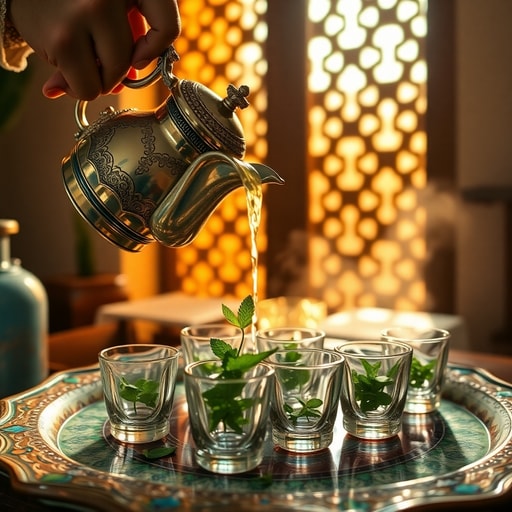
*Cultural tea-pouring ceremony emphasizing the artistry of Moroccan hospitality*
The core formula that defines authentic Moroccan tea combines three ingredients in exact proportions: 2 g of gunpowder green tea, 15 g of fresh spearmint leaves, and 30 g of granulated sugar per 500 ml of water. This ratio delivers the signature deep green color, fragrant mint lift, and balanced sweetness cherished across the kingdom.
**Quick Answer**
The traditional Moroccan mint tea uses 2 g of gunpowder tea, 15 g of spearmint, and 30 g of sugar per half‑liter of water, steeped at 80 °C for 3 minutes using the three‑pot method.
The science behind the brew hinges on temperature, steeping time, and the “three‑pot” method. Water heated to just below boiling (80 °C) extracts catechins without bitterness, while a 3‑minute steep releases the mint’s essential oils. The three‑pot method—first pot for rinsing tea, second for brewing, third for final flavor adjustment—ensures a clear, vibrant liquor and a thick foam on top.
**Definition:** Three‑pot method – a sequential brewing process where the first pot discards initial bitterness, the second extracts flavor, and the third fine‑tunes sweetness and aroma.
Classic Mint Tea
Combine 2 g of gunpowder green tea with 500 ml of freshly boiled water, then discard the first pour to remove dust. Return the tea to the pot, add 15 g of washed spearmint leaves, 30 g of sugar, and pour 500 ml of water heated to 80 °C. Stir clockwise until sugar dissolves, cover, and steep for 3 minutes. Al Mohajer Serve by pouring from a height of 30 cm into a glass, creating a frothy crown.
**Tip:** Choose bright‑green, aromatic spearmint harvested after the first rain; avoid wilted leaves that lack essential oils.
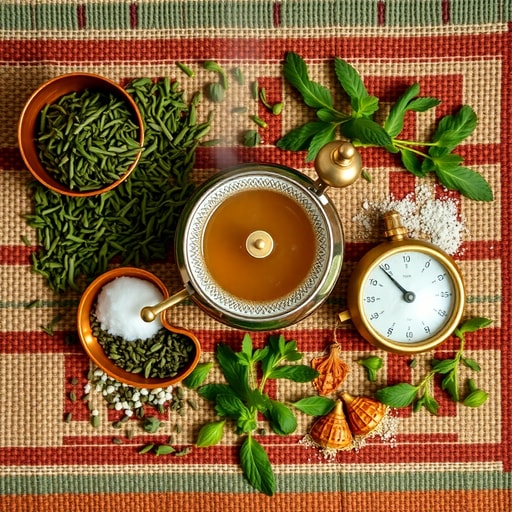
*Visual guide to core elements of classic Moroccan mint tea recipes with precise proportions*
Citrus‑Infused Mint Tea
Start with the classic base, then add 1 ml of orange blossom water and a strip of lemon zest to the second pot. Increase sugar to 35 g to balance the citrus acidity. After the 3‑minute steep, strain, then pour from height to blend flavors. The result is a refreshing tea with a subtle floral‑citrus finish perfect for summer gatherings.
Sweetened Almond‑Rose Tea
Mix 2 g of gunpowder tea with 10 g of finely ground almonds and 2 ml of rose water in the second pot. Reduce sugar to 25 g, as the almonds and rose water contribute natural sweetness. Steep for 4 minutes to allow the nutty texture to integrate fully. Garnish each glass with a pinch of crushed almonds for a delicate crunch and a lingering rose aroma. TAYEB Moroccan
Regional Twists: How Different Moroccan Areas Personalize Their Tea
Moroccan tea varies dramatically from the Rif mountains to the Atlantic coast and the Sahara desert. Each region adapts the core formula to local palate preferences, climate, and available herbs. The table below compares ingredient ratios for three representative areas, illustrating how a simple change transforms the drink’s character.
**Quick Answer**
Rif tea uses a 1:8 tea‑to‑water ratio, coastal blends add jasmine or hibiscus, and desert versions incorporate honey and dates for extra sweetness.
| Region | Tea (g) per 500 ml | Mint (g) | Additional Flavor | Sugar (g) | |--------|-------------------|----------|-------------------|-----------| | Rif Mountains | 3 | 12 | No extras | 35 | | Coastal Cities | 2 | 18 | Jasmine petals (2 g) | 30 | | Desert Oasis | 2 | 10 | Honey (15 ml) & chopped dates (5 g) | 40 |
Rif Mountain Strong Brew
In the Rif, hosts favor a robust cup to combat cool mountain air. They increase the tea amount to 3 g per 500 ml and steep for 5 minutes, resulting...
Coastal Light & Floral
Coastal towns blend the classic mint with fragrant jasmine petals or hibiscus flowers...
Desert Oasis Sweetness
Saharan hospitality embraces generous sweetness...
Serving Rituals That Elevate Hospitality
The act of pouring tea from a height is more than a flourish; it aerates the liquid, creates a creamy foam, and signals the host’s respect for guests. The ritual follows a three‑round sequence, each round adjusting sugar levels and sometimes adding extra herbs. Mastering this choreography transforms a simple drink into a ceremonial experience.
**Quick Answer**
The three‑round tradition starts with a bitter first round, adds sugar for the second, and finishes sweet in the third, each poured from 30 cm height to create foam.
The Three‑Round Tradition
Round 1: Brewed tea is poured without added sugar...
Presentation & Accompaniments
Serve tea in traditional silver or brass glasses, arranging them on a polished tray. Moroccan Serving TeaPot Handmade Of Brass Silver Plated Hand Carved In Fes Morocco Complement the brew with Moroccan pastries such as *ghoriba* almond cookies, *chebakia* sesame ribbons, and a bowl of roasted almonds, olives, and fresh figs.
Storing & Reusing Tea Leaves for Sustainable Hospitality
Proper storage extends the life of premium gunpowder tea and reduces waste...
**Quick Answer**
Store gunpowder tea in a sealed ceramic jar at 15–20 °C, away from light, to preserve freshness for six months.
Airtight Storage Techniques
- Choose a ceramic jar with a silicone seal or a dark‑glass bottle with a screw cap.
Second‑Infusion & Culinary Uses
After the first steep, reuse the leaves for a second, milder infusion...
Conclusion
Best Moroccan Tea Recipes for Authentic Hospitality showcase how precise technique, quality ingredients, and respectful serving elevate a simple cup into a cultural hallmark...
Frequently Asked Questions
1. **What is the ideal water temperature for brewing authentic Moroccan mint tea?** Heat water to 80 °C (176 °F) before pouring over the tea leaves; this extracts flavor without bitterness.
2. **How much sugar should be used in a traditional Moroccan tea recipe?** The standard ratio is 30 g of granulated sugar per 500 ml of water, adjustable to taste.
3. **Can I substitute fresh mint with dried mint and still keep the authentic flavor?** Dried mint can be used at half the fresh amount, but the aroma will be less vibrant; consider adding a splash of mint‑infused water to compensate.
4. **What are the health benefits of drinking Moroccan green tea regularly?** Green tea provides antioxidants, supports metabolism, and mint adds digestive aid; together they may improve cardiovascular health.
5. **How long can brewed Moroccan tea be kept warm without losing its taste?** Keep the tea in a covered teapot on a low‑heat stove for up to 30 minutes; beyond that, bitterness increases and foam dissipates.
**Meta Description:** Discover the best Moroccan tea recipes for authentic hospitality, with step‑by‑step guides, regional twists, serving etiquette, and storage tips.