
10 Essential Moroccan Spices For Authentic Cooking
The Best Moroccan Spices: 10 Essential Ingredients for Authentic Cooking
Moroccan cuisine is defined by its spice blends, not single spices. The best Moroccan spices work together in harmony, creating layers of warmth, sweetness, and depth that distinguish this North African cuisine from all others. Understanding the difference between individual "Moroccan spices" and "Moroccan spice blends" like Ras el Hanout is the first step toward authentic cooking. This guide identifies the 10 essential spices that form the backbone of Moroccan cooking, explains their roles, and shows how to use them effectively.
Key Takeaways
- The essential Moroccan pantry revolves around 10 core spices, not exotic one-offs. - Ras el Hanout is a blend, not a single spice; its quality depends on the ratio of these core spices. - Cumin, ginger, and paprika form the savory base of most Moroccan tagines. - Cinnamon and turmeric are used in both savory and sweet dishes, adding depth and color. - Toasting and grinding whole spices fresh yields a vastly superior flavor profile to pre-ground powders.
The Complete Answer: The 10 Best Moroccan Spices You Must Have
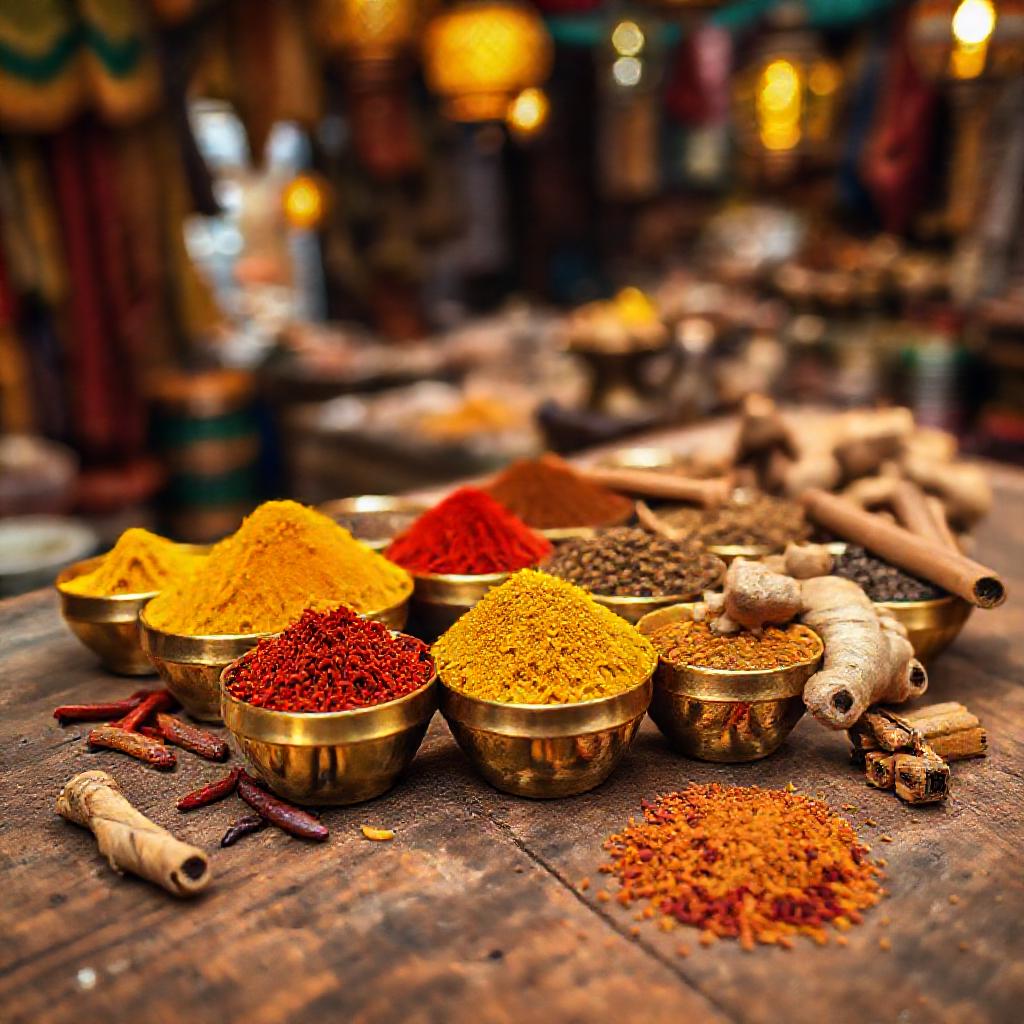
*A colorful arrangement of key spices used in Moroccan cuisine, emphasizing their variety and richness.*
This is the definitive list of the 10 spices that define Moroccan cooking, ranked by importance and frequency of use.
1. **Cumin:** The smoky, earthy backbone of savory dishes. It appears in nearly every Moroccan tagine, grilled meat preparation, and couscous dish.
2. **Ginger:** Adds warmth and a slight heat; essential in tagines and marinades. Moroccan cooks use it liberally in chicken and lamb dishes.
3. **Paprika:** Provides color and sweetness; a key component in the classic spice mix. It gives Moroccan dishes their distinctive reddish hue.
4. **Cinnamon:** Used in both savory (lamb tagines) and sweet (pastries) applications. Moroccan cinnamon is often sweeter and more delicate than other varieties.
5. **Turmeric:** Adds a vibrant yellow color and subtle earthy flavor. It anchors the visual appeal of rice dishes and vegetable preparations.
6. **Coriander Seed:** Offers a citrusy, floral note that brightens heavy meat dishes. It pairs beautifully with lamb and vegetable tagines.
7. **Cardamom:** Aromatic and slightly sweet; used in coffee and some sweet-savory preparations. It is a hallmark of Moroccan hospitality.
8. **Cloves:** Intensely aromatic; used sparingly in spice blends and slow-cooked dishes. A little goes a long way.
9. **Nutmeg:** Adds a warm, nutty depth to vegetable and poultry dishes. It is often used in combination with cinnamon and ginger.
10. **Black Pepper:** The universal seasoning that provides a final kick of heat. It rounds out spice blends and finishes dishes.
Comparison Table
| Spice | Primary Flavor Profile | Typical Use Case in Moroccan Cuisine | Heat Level | | :--- | :--- | :--- | :--- | | Cumin | Earthy, smoky, warm | Tagines, grilled meats, couscous | Medium | | Ginger | Sharp, warm, slightly sweet | Chicken tagines, marinades, stews | Mild | | Paprika | Sweet, mild, red | Base of many spice blends, rubs | None | | Cinnamon | Sweet, woody, warm | Lamb tagines, pastries, tea | None | | Turmeric | Earthy, bitter, color | Rice, vegetables, meat stews | None | | Coriander Seed | Citrusy, floral, woody | Vegetable dishes, lamb, spice blends | None | | Cardamom | Sweet, floral, eucalyptus | Coffee, rice, some sweet dishes | None | | Cloves | Sweet, pungent, numbing | Spice blends, slow-cooked lamb | None | | Nutmeg | Sweet, nutty, warm | Vegetable stews, poultry, béchamel | None | | Black Pepper | Sharp, pungent, hot | Final seasoning, spice blends | High |
These essential Moroccan spices form the foundation of the country's culinary identity. While saffron and harissa are also significant, the ten spices above are the everyday workhorses found in virtually every Moroccan kitchen.
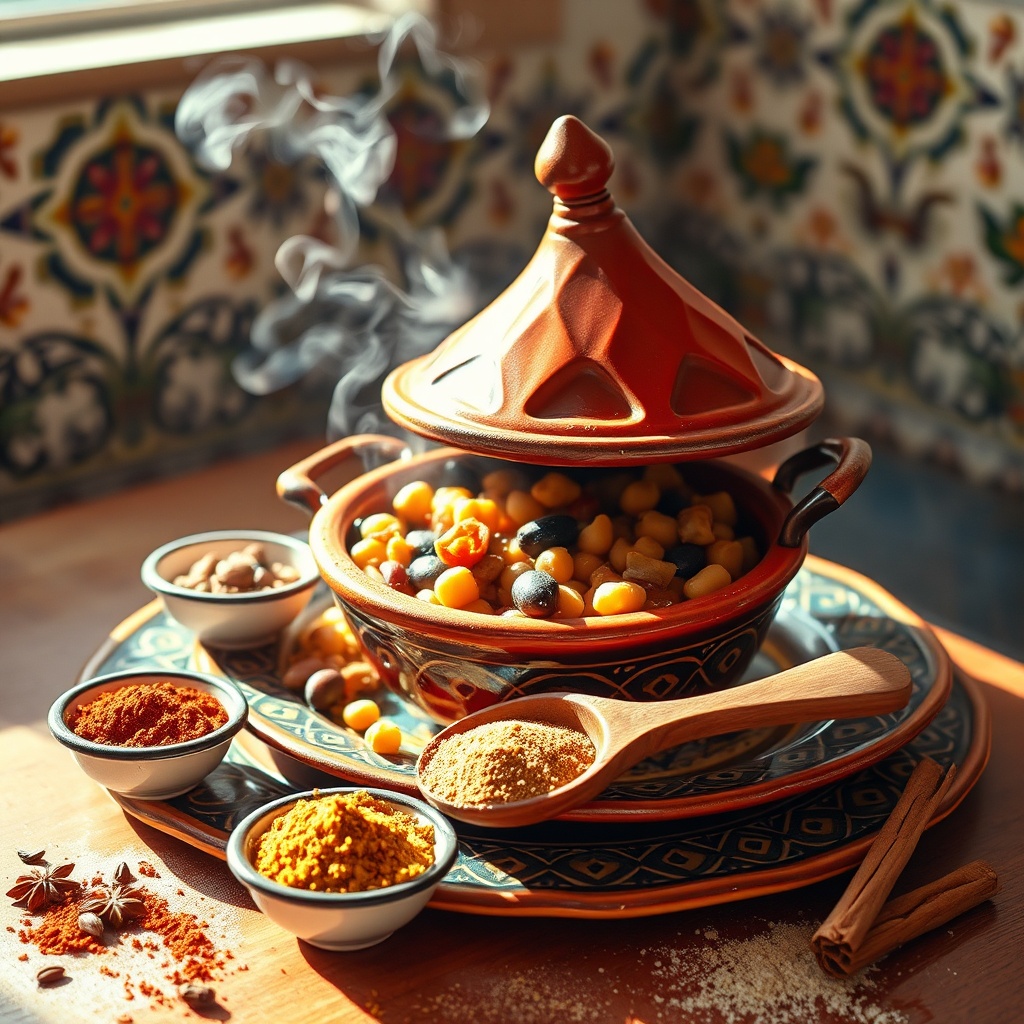
*A cooked tagine dish accompanied by the essential spices used in its preparation, showcasing culinary application.*
Mastering the Art of the Moroccan Spice Blend (Ras el Hanout)
Ras el Hanout is the crown jewel of Moroccan spice culture. The name translates to "head of the shop," referring to the best spices a merchant has to offer. Building your own blend allows you to control the balance and freshness.
The Core Ratio: The Foundation of a Good Blend
The key to a successful Ras el Hanout is balancing the "warm" spices (cinnamon, ginger, nutmeg) with the "earthy" ones (cumin, coriander). The "flower" spices (cardamom, cloves) should be used in small quantities to avoid overpowering the blend. A typical ratio might be two parts warm spices to two parts earthy spices, with only a fraction of the flower spices.
The Step-by-Step Guide to Toasting and Grinding
1. Select whole spices for the best flavor. 2. Toast whole spices in a dry pan over medium heat for 1-2 minutes until fragrant. 3. Allow the toasted spices to cool completely. 4. Grind them in a spice grinder or mortar and pestle to a fine powder. 5. Sift the ground mixture to remove any coarse particles. 6. Store in an airtight container away from light and heat for up to 3 months.
Common Mistakes to Avoid
Over-toasting is the most frequent error, resulting in a bitter flavor. Using pre-ground spices also diminishes quality, as they lose their essential oils quickly. Finally, adding too much of any one "strong" spice like cloves or cardamom can ruin the entire blend.
Beyond the Blend: Using Individual Spices in Moroccan Cooking
While blends are iconic, individual spices are often used to build layers of flavor in a dish. Understanding how to deploy them individually gives you greater control over the final result.
The Savory Trio: Cumin, Paprika, and Ginger
These three are used at the start of cooking, typically in the onion and garlic base. Cumin provides the earthy foundation, paprika adds color and sweetness, and ginger brings warmth. Together, they create the savory foundation for most tagines.
The Sweet-Savory Duality: Cinnamon and Turmeric
Cinnamon is used in slow-cooked lamb to cut the richness of the meat. Turmeric provides a visual and flavor anchor for vegetable dishes, giving them a golden hue and subtle depth.
The Finishing Touches: Coriander, Cardamom, and Nutmeg
These delicate spices are often added at the end of cooking to preserve their aroma. Coriander brightens couscous, cardamom perfumes rice dishes, and nutmeg adds warmth to pastilla and vegetable stews.
How to Buy and Store Moroccan Spices for Maximum Flavor
The quality of your spices determines the quality of your dish. Investing in good spices is the single most important step in Moroccan cooking.
Whole vs. Ground: The Freshness Factor
Whole spices are superior because they retain their essential oils until the moment they are ground. To identify fresh whole spices, look for vibrant color and strong aroma. Pre-ground spices lose their potency quickly and should be replaced more often.
Identifying Quality at the Market or Store
What to look for in color, aroma, and texture: spices should be vivid in color, intensely aromatic, and free of dust or debris. Buying from reputable sources that have high turnover ensures you get the freshest product possible.
Storage Best Practices
Store spices in airtight containers in a dark, cool location away from heat and moisture. The "smell test" is the simplest way to determine if your spices have gone stale—if they no longer have a strong aroma, it is time to replace them.
Regional Variations: How Moroccan Spices Differ Across the Country
Morocco is a diverse country, and its spice usage varies by region. Understanding these differences adds depth to your appreciation of Moroccan cuisine.
The North: Influence of the Mediterranean
Northern Morocco, with its proximity to the Mediterranean, focuses on lighter flavors, fresh herbs, and less heat. This region uses more delicate spices like cardamom and nutmeg in its cooking.
The South: The Sahara and Its Hearty Flavors
Southern Morocco features heavier use of cumin, ginger, and chili for warmth and preservation. The influence of sub-Saharan trade routes brought a wider variety of spices and bolder flavor profiles to this region.
The Coastal Regions: Seafood and Citrus
The Atlantic coast influences spice pairings with fish. Coastal cooking emphasizes the use of preserved lemons and coriander with seafood, creating bright, fresh flavors that complement the catch of the day.
Frequently Asked Questions (FAQ)### What is the most essential Moroccan spice?
Cumin is arguably the most essential, as it forms the base of most savory dishes, but Ras el Hanout is the most iconic blend.
What is the difference between Ras el Hanout and curry powder?
Ras el Hanout is a North African blend with a focus on warm, aromatic spices like cinnamon and cardamom, while curry powder is a South Asian blend with a focus on turmeric and fenugreek.
Can I substitute individual spices for Ras el Hanout?
Yes, you can create a simple substitute by combining equal parts cumin, paprika, ginger, and cinnamon.
Are Moroccan spices very hot?
Generally, no. Traditional Moroccan cuisine relies on warmth and aroma rather than intense capsaicin heat, though some regional dishes can be spicier.
How long do ground Moroccan spices last?
Ground spices typically retain their best flavor for about 6 months to a year if stored properly in an airtight container.
Conclusion
The best Moroccan spices are the ten essential ingredients that form the foundation of this vibrant cuisine: cumin, ginger, paprika, cinnamon, turmeric, coriander seed, cardamom, cloves, nutmeg, and black pepper. Each plays a distinct role, from the savory base of cumin and paprika to the sweet warmth of cinnamon and the aromatic finish of cardamom.
The journey to great Moroccan cooking starts with quality ingredients and proper technique. Begin by sourcing whole spices, toasting them fresh, and building your own Ras el Hanout. Experiment with regional variations and discover how different combinations transform familiar dishes. With these ten spices in your pantry, you have everything you need to create authentic Moroccan food at home.