
Best Moroccan Souvenirs To Buy Guide
Introduction
The **Best Moroccan Souvenirs to Buy Guide** tells you exactly which items capture Morocco’s colors, textures, and centuries‑old craftsmanship while fitting every budget. From hand‑woven Berber rugs that carry village stories to bright argan oil bottles pressed by women’s cooperatives, the market stalls of Marrakech, Fez, and Essaouira offer gifts that are both beautiful and meaningful. In 2026, the surge of post‑pandemic travel has revived demand for authentic Moroccan gifts, making it easier than ever to find high‑quality pieces that support local artisans and travel safely home.
**Quick Answer:** > The top Moroccan souvenirs in 2026 are hand‑painted tagines from Fez, sustainably harvested argan oil from Agadir, and genuine Berber rugs from the Atlas Mountains. Each combines cultural heritage with modern appeal and can be shipped worldwide with proper packaging.
Key Takeaways
- Authentic Moroccan souvenirs blend **traditional craftsmanship** with **modern design**. - Regional specialties—Fez pottery, Marrakech rugs, Essaouira argan oil—each tell a distinct story. - Verify quality through material checks, stitching tightness, and realistic price cues. - Ethical buying supports local cooperatives and preserves heritage. - Proper packing and **shipping Moroccan crafts internationally** protect fragile items during transit.
Definitive Guide to the Best Moroccan Souvenirs You Must Buy
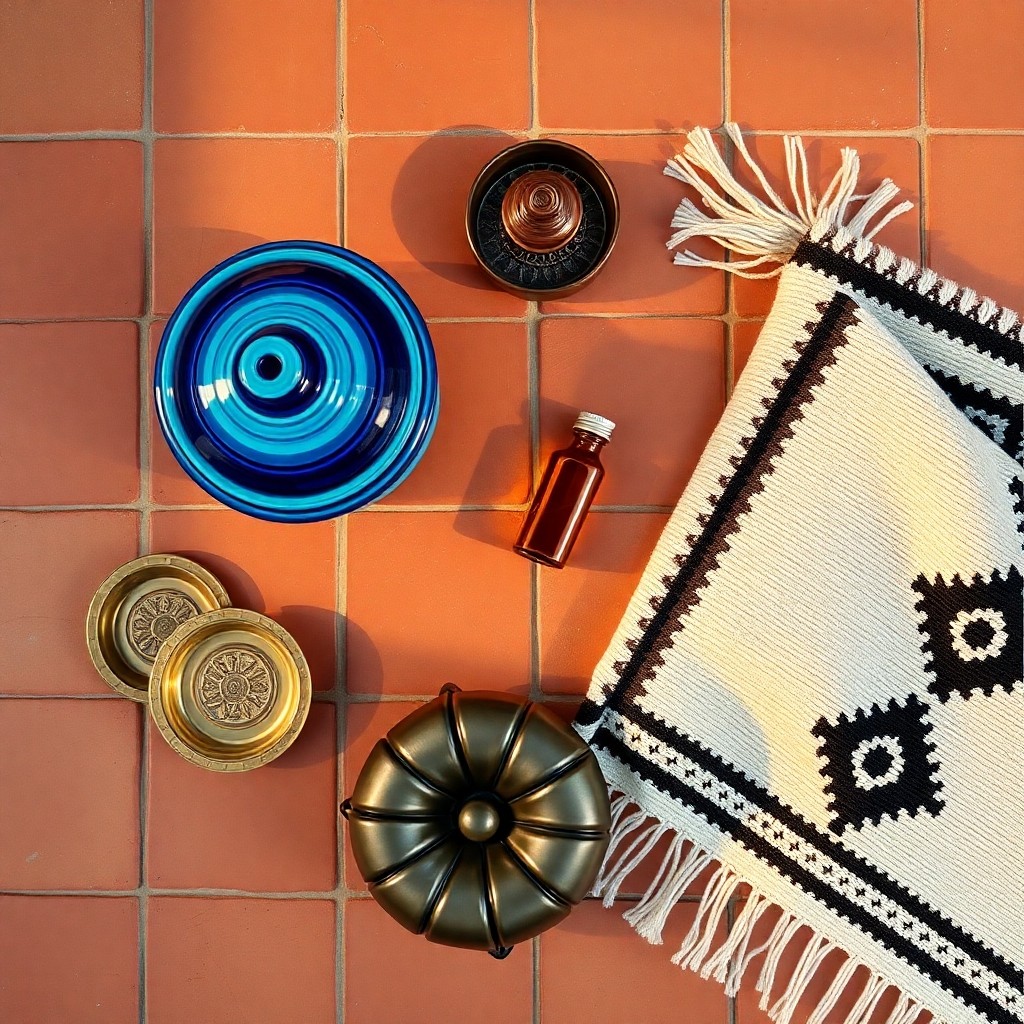
*A curated collection of traditional Moroccan items including tagines, rugs, and argan oil.*
Traditional Handcrafted Items
Hand‑woven **Berber rugs** remain the most iconic Moroccan souvenir, featuring geometric patterns that reflect tribal identities. A 4 × 6 ft rug from a Rif‑mountain cooperative typically costs $220‑$340 in 2026, with a hand‑knotted wool base that feels dense underfoot.
**Definition:** **Berber rug** – a hand‑knotted wool floor covering made by indigenous Berber tribes, characterized by bold geometric motifs and natural dye colors.
Fez’s pottery workshops produce **hand‑painted ceramic tagines** priced between $45 and $70. The glaze combines cobalt blue with earthy ochre, a technique revived by master ceramist Youssef Benjelloun after studying 19th‑century methods.
**Quick Answer:** > A genuine Fez tagine will have a slightly uneven glaze, a weight of about 3 kg for a 2‑person size, and a maker’s stamp inside the lid.
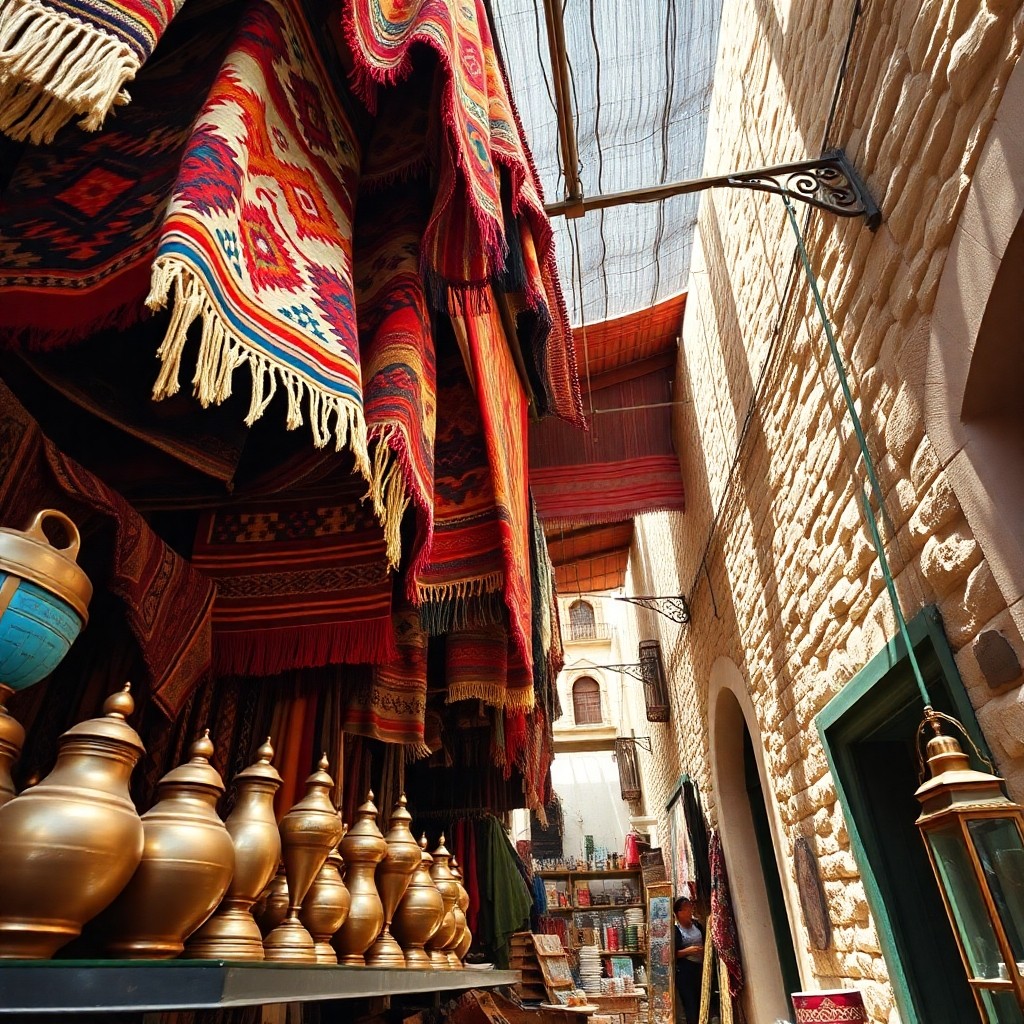
*A lively market scene featuring traditional rugs and pottery in a Moroccan souk.*
Modern Moroccan Design Products
Casablanca’s design studios now reinterpret classic lantern silhouettes using laser‑cut aluminum and smoked glass, creating **Moroccan lanterns** that fit contemporary home décor trends. Prices range from $80 for a tabletop model to $150 for a hanging pendant.
Minimalist **leather bags** crafted in Marrakech blend supple goat leather with subtle embossing of the “Hand of Fatima.” Expect a price of $95‑$130 for a medium tote, and look for hand‑stitched edges that resist fraying.
Budget vs. Luxury Options
| Category | Entry‑Level (2026) | Mid‑Range | Luxury | |----------|-------------------|-----------|--------| | Spices (ras el hanout) | $5‑$8 per 100 g | $12‑$15 for premium blend | – | | Brass keychains | $4‑$7 each | – | – | | Silver jewelry (Berber symbols) | – | $80‑$120 for simple pendants | $250‑$500 for custom pieces | | Hand‑woven rugs | $150‑$200 for small (2 × 3 ft) | $300‑$450 for medium | $800‑$1,200 for large, signed rugs | | Argan oil (pure) | $15‑$20 (100 ml) | $35‑$45 (250 ml) | $70‑$90 (500 ml, organic) |
The **budget** tier offers authentic spices and brass accessories that are easy to pack, while the **luxury** tier includes custom silver jewelry and large hand‑knotted rugs that become heirloom pieces.
**Quick Answer:** > For travelers on a budget, a small bag of saffron threads ($12) and a brass babouche ($6) provide authentic flavor and flair without breaking the bank.
Cultural Significance of Moroccan Souvenirs ### Symbolism Behind Common Motifs
The “**Hand of Fatima**” (hamsa) appears on door knockers, jewelry, and textiles, symbolizing protection against the evil eye. Geometric star patterns, often eight‑pointed, represent balance and the universe in Islamic art.
**Definition:** **Hand of Fatima** – a stylized palm hand used across North Africa as a protective talisman, frequently incorporated into metalwork and textiles.
Regional Stories and Artisan Histories
Fez’s ceramic master, **Ahmed El‑Mansouri**, resurrected a 19th‑century cobalt‑green glaze by sourcing raw pigments from the nearby Atlas quarries. His workshop now trains ten apprentices, preserving a technique once thought lost.
The **Marrakech rug cooperative** began in 2018 as a women‑only collective in the Ourika Valley. By 2026, it supplies boutique hotels across Europe, proving that rural weaving can thrive in global markets.
**Quick Answer:** > Buying a rug from the Marrakech cooperative directly funds education programs for the artisans’ children, creating a measurable social impact.
Where to Find Authentic Souvenirs in Morocco ### Top Markets and Bazaars by City
- **Marrakech – Jemaa el‑Fna**: Best for **Moroccan lanterns**, live music, and spice stalls. Look for stalls displaying a clear price tag and a small workshop behind the counter. - **Fez – Talaa Kebira**: Renowned for **traditional Moroccan pottery styles**; artisans often demonstrate wheel‑throwing on the spot. - **Essaouira – Port Market**: Ideal for **argan oil**; cooperatives showcase cold‑press equipment and certification labels. - **Chefchaouen – Blue Alley Market**: Offers woven **babouches** and woven blankets in shades of indigo.
Trusted Artisan Cooperatives and Workshops
The **Argan Oil Women’s Cooperative in Agadir** provides 100 % pure, cold‑pressed oil with a CO‑OP seal; a 250 ml bottle sells for $40 in 2026.
The **Berber Weavers’ Guild in the Atlas Mountains** sells hand‑knotted rugs directly from family looms, guaranteeing authenticity and fair wages.
**Quick Answer:** > To verify a cooperative’s legitimacy, ask for the cooperative registration number and look for third‑party fair‑trade certifications displayed on the stall.
How to Choose Quality Souvenirs: A Practical Checklist ### Materials and Craft Techniques
- **Leather**: Genuine goat or calf leather feels supple, shows natural grain, and smells faintly of hide. Test by bending a corner; it should not crack. - **Silver**: Authentic Moroccan silver is stamped with “925” or “Sterling.” A magnet will not attract it. - **Wool Rugs**: Hand‑knotted rugs have uneven knots; count knots per square inch—high‑quality pieces exceed 120 kpsi.
**Definition:** **Kpsi** – knots per square inch, a metric used to assess rug density and craftsmanship.
Pricing Indicators and Negotiation Tips
1. **Research**: Know the 2026 price range for the item you want. 2. **Inspect**: Verify material, stitching, and maker’s mark before negotiating. 3. **Start Low**: Offer 30 % below the asking price for larger items; 10‑15 % for small accessories. 4. **Bundle**: Combine a spice set with a small lantern to receive a 5‑10 % discount. 5. **Close**: Confirm the final price in writing, especially for high‑value rugs.
**Quick Answer:** > In 2026, most souk vendors expect a 20‑25 % discount on items priced above $100; politely stating “I can pay $80 now” often secures the deal.
Shipping, Customs, and Care Tips for Moroccan Souvenirs ### Packing and International Shipping Best Practices
- **Ceramics**: Wrap each piece in bubble wrap, then place in a double‑walled cardboard box with packing peanuts. Seal with reinforced tape. - **Rugs**: Roll tightly, wrap in a breathable fabric, and place in a sturdy tube. Add a thin layer of foam at the ends. - **Lanterns**: Disassemble glass panels, wrap each panel individually, and fill gaps with crumpled paper.
Label the package with “Fragile – Handle with Care” and include a commercial invoice listing the item’s HS code for customs clearance.
Preservation and Cleaning Instructions
- **Leather bags**: Condition with a natural oil blend once every three months; avoid direct sunlight. - **Wool rugs**: Vacuum gently, rotate 180° every six months, and spot‑clean with a mild detergent diluted 1:10. - **Metal lanterns**: Dust with a soft cloth; for tarnish, use a mixture of lemon juice and baking soda, then polish with a dry microfiber.
**Quick Answer:** > For international shipments, insuring fragile ceramics for at least 150 % of their value minimizes financial risk if damage occurs in transit.
Conclusion
The **Best Moroccan Souvenirs to Buy Guide** highlights that every category—from handcrafted rugs to sleek modern lanterns—offers a tangible piece of Morocco’s rich heritage. By choosing authentic items, supporting ethical cooperatives, and packing them carefully, you bring home more than a souvenir; you carry forward a story of artisanship and culture. Explore the markets, verify quality, and let your Moroccan treasures enrich your life and the lives of the makers.
**Meta Description:** Discover the top Moroccan souvenirs of 2026, including rugs, argan oil, lanterns, and pottery, with buying tips, quality checks, and shipping advice.