
Best Moroccan Blankets For Interior Design 2026
Best Moroccan Blankets For Interior Design 2026
The **Best Moroccan Blankets For Interior Design 2026** are defined by a shift toward "Global Texturalism," where the tactile quality of a textile takes precedence over color alone. Leading this trend are authentic Beni Ourain throws and Handira wedding blankets, prized for their thick, hand-woven wool and intricate geometric storytelling. As homeowners move away from mass-produced linens, these artisanal pieces have become essential for adding depth, warmth, and historical significance to modern living spaces.
Introduction
The interior design landscape of 2026 is firmly embracing **Global interior design trends 2026**, moving beyond minimalism into a warmer, more tactile era known as Global Texturalism. This approach prioritizes the "hand" of a fabric—the way it feels and the story it tells—over sterile perfection. Moroccan blankets, with their deep historical roots and distinct craftsmanship, serve as the perfect intersection of artistry and comfort in this new paradigm. No longer just functional bedding, these textiles are now central design elements that anchor a room.
The market has seen a distinct pivot from mass-produced, synthetic linens to **textile layering** strategies utilizing story-rich, artisanal home textiles. Designers are increasingly sourcing pieces that carry the energy of the maker, specifically from the Atlas Mountains where weaving techniques have been refined over centuries. This evolution reflects a broader desire for authenticity in the home, where a single hand-woven throw can infuse a space with character that factory-made goods simply cannot replicate. The result is a living environment that feels curated, soulful, and intimately connected to global traditions.
Key Takeaways
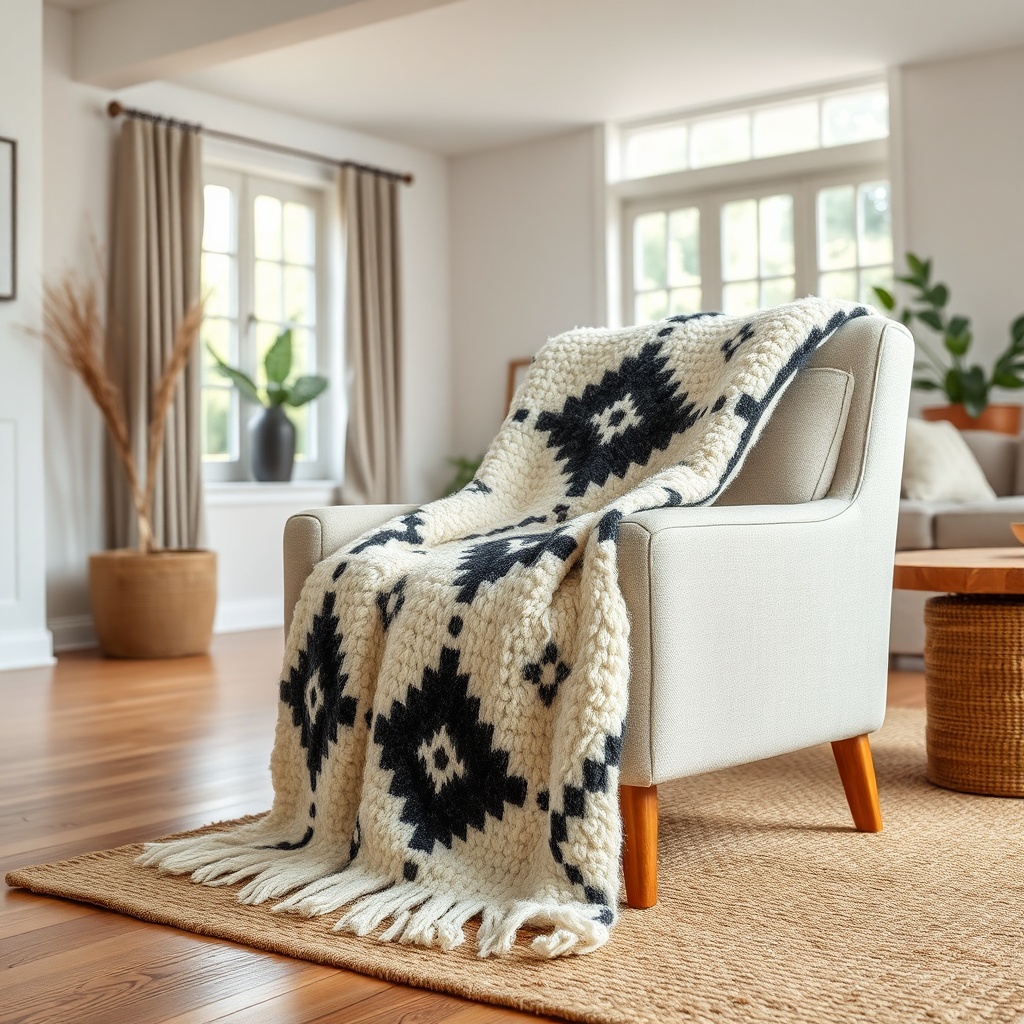
*A tactile Beni Ourain throw adds warmth and geometric storytelling to a modern, textural living space.*
* **Beni Ourain rugs and throws remain the gold standard** for creating a warm, minimalist aesthetic in 2026 homes. * **Authentic Handira wedding blankets are increasingly used** as statement headboards rather than just bed linens. * **Sustainable sourcing and support for women’s cooperatives** in the Atlas Mountains are top priorities for modern consumers. * **Mixing chunky wool weaves with sleek, modern furniture** creates a sophisticated "Japandi" fusion look. * **Proper maintenance, including spot cleaning and sun-drying**, is essential for preserving the natural lanolin in authentic wool.
Top Rated Moroccan Blankets for 2026 Design Trends
The **Best Moroccan Blankets For Interior Design 2026** are dominated by three specific categories that offer varying textures and visual weights for different styling needs. The Beni Ourain throw continues to reign supreme for its plush pile and neutral versatility, making it the top choice for living rooms and bedrooms seeking a serene atmosphere. Following closely is the Handira, or wedding blanket, which has transitioned from a ceremonial textile to a luxury decor item used for its reflective metallic qualities. Finally, the Boucherouite has emerged as the favorite for eco-conscious decorators looking to introduce vibrant, upcycled textures into eclectic spaces.
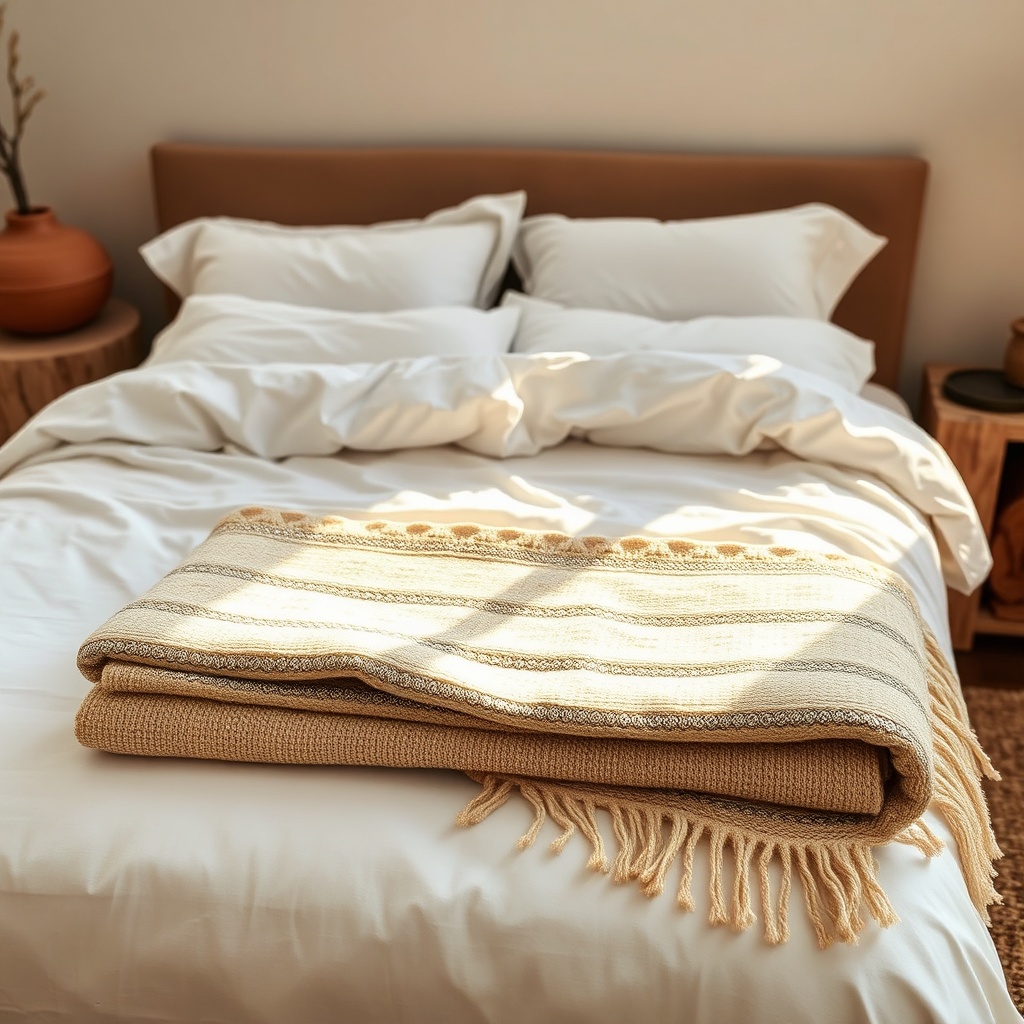
*An intricate Handira wedding blanket brings historical significance and sparkle to a serene, light-filled bedroom setting.*
The Timeless Elegance of Beni Ourain Weaves
The Beni Ourain throw is defined by its ivory background featuring dark, diamond-shaped geometric lines. These symbols are not merely decorative; they represent fertility, nature, and protection, woven by the Berber women of the Middle Atlas. In 2026, this specific style complements the "Quiet Luxury" trend because it offers high-end texture without loud logos or distracting colors. The high pile of the wool, often reaching up to three inches, provides a sensory experience that synthetic alternatives cannot match. Designers favor these throws for their ability to soften sharp architectural lines, making them ideal for contemporary homes with concrete or glass elements.
Handira Wedding Blankets as Statement Pieces
A Handira blanket is traditionally a shawl worn by a Berber bride, characterized by a cream wool base adorned with hundreds, sometimes thousands, of metallic sequins. In modern interiors, these pieces are utilized as statement headboards or wall hangings to add subtle sparkle and texture. The interplay of light on the sequins against the matte wool creates a dynamic visual effect that changes throughout the day. Unlike standard throws, a Handira carries significant ceremonial weight, making it a focal point that sparks conversation. Styling these pieces requires restraint; they work best when allowed to stand alone against a solid, muted backdrop to highlight their intricate craftsmanship.
Boucherouite Rag Rugs for Colorful Eclectic Spaces
As sustainability becomes a non-negotiable aspect of design, **Boucherouite rag rugs** have gained immense popularity. These textiles are woven from recycled fabric scraps, clothing remnants, and synthetic fibers, making them distinct from the wool-heavy Moroccan rugs. They offer a vibrant, sustainable option for maximalist interiors that reject the "all-neutral" aesthetic. The unpredictable color palettes and varied textures of Boucherouite pieces allow decorators to introduce bold pops of color without committing to a single hue scheme. Because they are made from recycled materials, each piece is truly one-of-a-kind, appealing to the 2026 consumer's desire for uniqueness and environmental responsibility.
**Quick Answer:** The top Moroccan blankets for 2026 are the plush Beni Ourain for minimalist warmth, the sequined Handira for bridal-chic accents, and the eco-friendly Boucherouite for vibrant, sustainable decor.
Transforming the Modern Bedroom with Moroccan Textiles
Incorporating **bohemian interior design trends 2026** into the bedroom requires a careful balance of comfort and aesthetics. Moroccan textiles excel here because they transform a standard sleeping area into a sanctuary. The key lies in **cozy bedding textures** that invite touch and create visual warmth. By layering different weights of fabrics, you can achieve a designer look that feels organic and lived-in rather than staged. The bedroom is the most intimate space in the home, and the use of hand-woven textiles adds a layer of personalization that mass-produced bedding lacks.
Layering Techniques for a Luxurious, "Warm Minimalist" Aesthetic
To master the "Warm Minimalist" look, start with a base of crisp, white linen sheets. Drape a chunky Moroccan throw, preferably a Beni Ourain, casually across the foot of the bed, allowing the edges to drape naturally toward the floor. Follow this by arranging linen pillows in varying shades of oatmeal, taupe, and soft grey against the headboard. The contrast between the smooth linen and the nubby wool creates visual depth. Avoid perfectly neat folding; the beauty of **textile layering** lies in the perceived effortlessness. Ensure the throw is large enough to cover the width of the bed, typically measuring at least 60 by 90 inches, to establish a substantial visual anchor at the bed's end.
Integrating Sequined Handiras as Headboard Alternatives
Using a Handira as a headboard is a sophisticated way to add architectural interest without construction. To achieve this, measure the width of your bed and ensure the vintage blanket is slightly wider. Mount a wooden dowel through the top hem of the Handira and secure it to the wall using heavy-duty brackets, ensuring it hangs straight. Alternatively, you can drape the blanket over a simple wooden or iron headboard, letting the sequined section cascade down the center. This arrangement draws the eye upward and acts as a massive piece of textile art. The reflective sequins will catch ambient light from bedside lamps, creating a soft, romantic glow suitable for a sleep sanctuary.
Sustainable Sourcing and Material Quality in 2026
The demand for **ethical home decor** has reshaped the sourcing policies of top interior designers in 2026. Consumers are no longer satisfied with vague claims of "hand-made"; they demand transparency regarding the origin of materials and the welfare of the artisans. **Natural wool benefits** extend beyond durability, encompassing biodegradability and temperature regulation. When sourcing Moroccan blankets, the focus is on verifying the supply chain to ensure that the purchase supports the indigenous communities of the Atlas Mountains rather than mass-manufacturing copycats.
Identifying Authentic Wool vs. Synthetic Blends
To distinguish an authentic piece from a machine-made imitation, examine the fiber content closely. Authentic Moroccan blankets should be tagged as 100% sheep or goat wool. Tactile differences are immediate; real wool possesses a "dry hand" feel and retains a slight scent of lanolin, the natural oil secreted by sheep that repels dust and dirt. Synthetic blends, often made from acrylic or polypropylene, feel unnaturally smooth and have a plastic-like sheen. Turn the rug over; authentic hand-woven pieces will have visible imperfections and a backing that reveals the weave's pattern, whereas machine-made rugs often have a fabric backing glued over the base to hide the stitching. Authentic wool is also heavier, providing a weightiness that speaks to its density and quality.
**Definition:** **Lanolin** is a waxy, yellowish substance found naturally on wool, which acts as a water repellent and keeps the fibers soft and supple. Its presence is a key indicator of untreated, high-quality wool.
The Impact of Supporting Women’s Cooperatives
Purchasing directly from women’s cooperatives in the Atlas Mountains ensures that the economic benefits of the weaving trade go directly to the artisans. These cooperatives provide a stable income for women in rural areas, allowing them to support their families while preserving ancient weaving techniques. In 2026, **ethical sourcing for global decor** is a primary selling point. By bypassing middlemen and export warehouses, buyers help sustain these communities and ensure the continuation of cultural heritage. Authentic cooperatives often provide certificates of origin and detailed stories about the weaver, adding a layer of provenance to the textile that enhances its value as an investment piece.
Mixing Moroccan Textures with Minimalist and Scandinavian Design
The fusion of Moroccan patterns with **Japandi interior style**—a blend of Japanese rustic minimalism and Scandinavian functionality—is a defining trend of 2026. This design philosophy relies heavily on **texture layering tips** to create interest without clutter. The intricate, busy patterns of Moroccan weaves provide a striking counterpoint to the clean, unadorned lines of Nordic furniture. This combination works because it balances the "cold" perfection of modern design with the "warm" imperfection of handcrafted goods, resulting in spaces that feel both curated and comfortable.
Balancing Bold Patterns with Sleek, Modern Furniture
When introducing a heavily patterned Moroccan throw, such as a Boucherouite or a complex Beni Ourain, pair it with furniture that features solid, neutral upholstery. Sofas in shades of beige, charcoal, or sage green act as a blank canvas, allowing the textile's artistry to take center stage. Avoid clashing patterns; if your blanket has geometric diamonds, keep the cushions underneath it solid or textured rather than printed. This prevents visual clutter and maintains a sense of spaciousness. For **layering textures for living rooms**, consider the weight of the items—a heavy wool throw on a sleek leather sofa or a soft cotton armchair creates a pleasing material contrast that invites tactile interaction.
Creating Contrast with Light and Shadow
The physical structure of high-pile Moroccan textiles interacts dynamically with natural light. In a room with pale oak or ash flooring, the deep pile of a Beni Ourain throw casts soft, shifting shadows throughout the day. This interplay enhances the cozy atmosphere, making the room feel grounded and organic. To maximize this effect, place throws where they will catch the morning or afternoon sun, perhaps draped over the arm of a chair near a window. The **neutral color palette home accents** typical of Scandinavian design provide the perfect high-contrast background for the deep, charcoal lines of the wool, emphasizing the geometric patterns through the simple physics of light and shadow.
**Quick Answer:** To mix Moroccan styles with minimalism, pair bold, patterned throws with solid, neutral furniture like beige sofas, and use natural light to highlight the texture and shadows of high-pile weaves.
Practical Maintenance Guide for High-End Moroccan Weaves
Investing in **vintage versus new Moroccan weaves** requires a commitment to proper care to ensure longevity. These textiles are often durable, but their natural fibers and decorative elements demand specific maintenance protocols. Understanding the difference between **cleaning wool blankets** and caring for delicate sequins is crucial for preserving the integrity of the piece. Neglect can lead to felting, color bleeding, or tarnishing of metallic details, permanently damaging the item.
Cleaning Protocols for Delicate Sequins and Fringe
Handira blankets require specialized care due to their metal sequins and delicate fringe. The combination of wool, cotton, and metal means that water can cause the sequins to tarnish or the fringe to tangle and shrink. Consequently, Handira blankets must be dry cleaned only. Find a dry cleaner experienced with vintage textiles and inform them of the sequins to ensure they use gentle solvents. Never machine wash a Handira, as the agitation can tear the fabric and rip the sequins off. For freshening between professional cleanings, simply shake the blanket out vigorously outdoors to remove dust and allow it to air in a shaded, breezy spot.
Spot Cleaning and Sun-Drying for Wool Throws
For durable wool throws like the Beni Ourain, spot cleaning is the preferred method for minor stains. Mix a solution of cold water and a mild, pH-neutral castile soap. Dab a clean, white cloth into the solution and gently blot the stain, working from the outside in to prevent spreading. Avoid rubbing, as this can push the stain deeper into the fibers and cause pilling. Once the stain is lifted, blot the area with a damp cloth to remove soap residue. Always air-dry wool flat in the shade; direct sunlight can cause the natural ivory wool to yellow and the fibers to become brittle. Never hang a wet wool throw, as the weight of the water will stretch the weave out of shape.
Frequently Asked Questions
**What makes a blanket "authentically" Moroccan?** Authentic Moroccan blankets are traditionally handwoven by Berber artisans in the Atlas Mountains using techniques passed down through generations, often featuring geometric patterns or symbols specific to the weaver's tribe.
**Are Moroccan blankets warm enough for winter use?** Yes, specifically those made from the thick, heavy wool of sheep found in the High Atlas regions. These natural fibers provide excellent insulation, making them ideal for cold climates.
**How do I incorporate a Moroccan blanket into a contemporary home?** Use the blanket as a textural accent rather than a color clash. Drape it over a neutral modern armchair or place it at the foot of a sleek platform bed to add organic warmth without disrupting the modern flow.
**Why are Handira blankets so expensive?** Handira blankets are labor-intensive to create, often taking weeks to weave by hand. They are traditionally made for weddings and feature intricate detailing and thousands of metal sequins, making them highly collectible art pieces.
Conclusion
As we move through 2026, the **Best Moroccan Blankets For Interior Design 2026** stand out not merely as decor, but as significant **interior design investments**. These pieces offer a durability and aesthetic relevance that transcends fast-furniture cycles, anchoring a room with timeless appeal. The integration of **timeless home decor** elements like the Beni Ourain or Handira speaks to a deeper design philosophy: that our homes should reflect a connection to culture, craftsmanship, and the natural world. When you choose a hand-woven textile, you are inviting a piece of history into your space.
Selecting the right blanket should be a personal decision driven by texture and feeling rather than just following a fleeting micro-trend. Whether you are drawn to the creamy plush of a Beni Ourain or the sparkling history of a Handira, ensure the piece resonates with you on a sensory level. By prioritizing ethical sourcing and authentic materials, you contribute to the preservation of ancient arts while creating a home environment that is warm, sophisticated, and uniquely yours. Explore the available collections today to find the perfect textile companion for your living space.
**Meta Description:** Discover the Best Moroccan Blankets For Interior Design 2026. Explore top trends like Beni Ourain throws and Handira wedding blankets for sustainable, luxury home decor.