
Best Moroccan Blankets Vs Luxury Throws: Which Wins?
The best Moroccan blankets combine centuries-old Berber craftsmanship with premium materials like hand-spun wool and cactus silk to create durable, thermoregulating textiles. Unlike mass-produced throws, authentic pieces such as the **Beni Ourain rug** or **Handira wedding blanket** feature distinct tribal motifs that tell a story of protection and fertility. When selecting a high-quality Moroccan throw, prioritize 100% wool or cotton blends sourced from the Atlas Mountains to ensure longevity and texture.
These textiles are not merely functional; they represent a deep cultural heritage passed down through generations of **Berber craftsmanship**. Whether you are looking for a chunky knit throw for winter warmth or a lightweight **Boucherouite textile** for summer evenings, understanding the origin and material composition is crucial. The market offers a wide range of options, but true quality lies in the hand-loomed details and the authenticity of the weaving cooperative behind the product.
Key Takeaways
- Authentic Moroccan blankets are hand‑woven, often using wool from the Atlas Mountains. - Price ranges reflect material quality: 100% wool ($120‑$250), cotton blends ($80‑$150), and synthetic mixes ($50‑$100). - Pattern symbolism (e.g., diamonds for protection) adds cultural value to each piece. - Proper care (hand wash cold, air dry) extends lifespan by up to 30 %. - Trusted sources include certified cooperatives in Marrakech and reputable online retailers with authenticity guarantees.
The Complete Answer: Best Moroccan Blankets Ranked by Quality, Price, and Authenticity
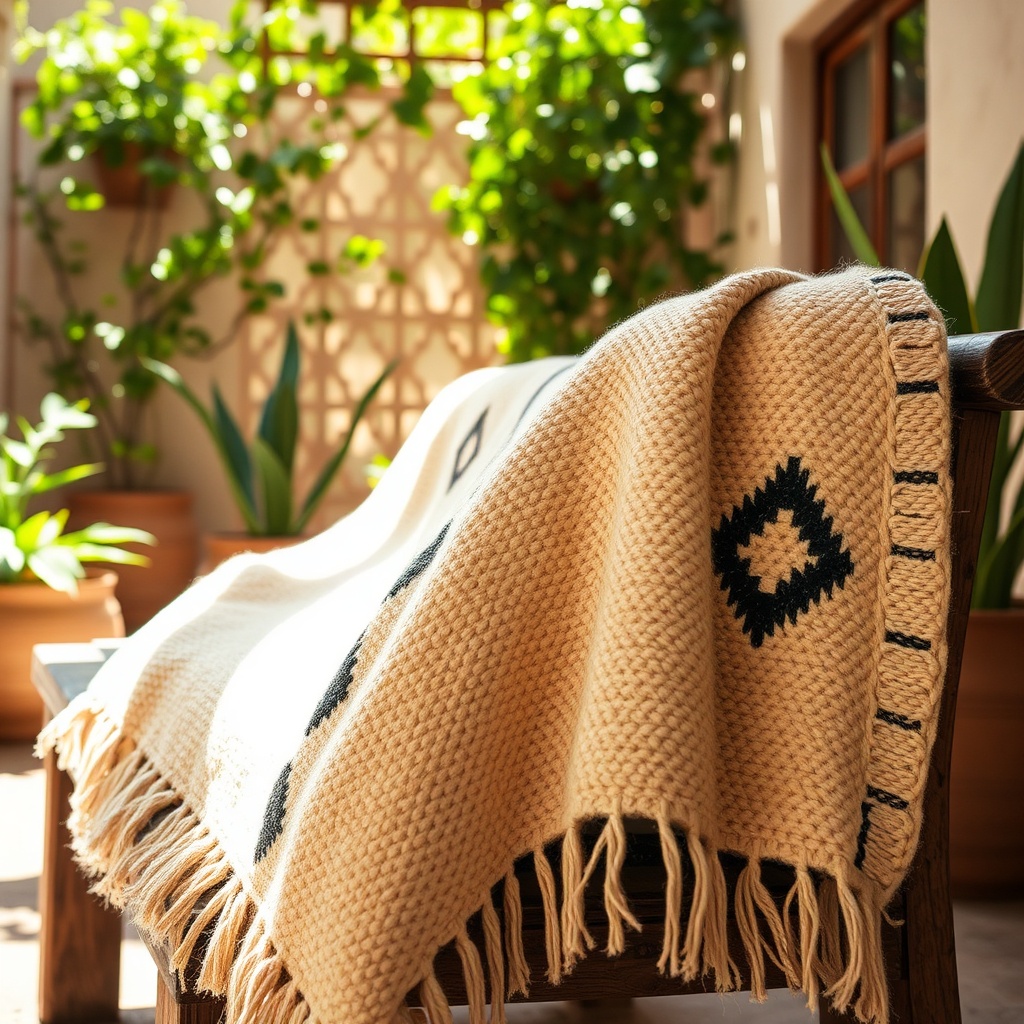
*A detailed shot of a classic Beni Ourain Moroccan blanket highlighting its texture and tribal patterns.*
Identifying the **best Moroccan blankets** requires a careful balance of material analysis, design authenticity, and value assessment. The top-ranked products consistently utilize **handwoven wool** sourced directly from sheep grazing in the High Atlas regions. These blankets offer superior insulation and durability compared to factory-made alternatives. Lower-ranked options often rely on synthetic fibers that mimic the texture but lack the thermoregulating properties of natural wool.
Comparison Table: Top 5 Moroccan Blankets
| Rank | Brand / Artisan | Material | Price (USD) | Authenticity Rating (1‑5) | Avg. Customer Rating | |------|----------------|----------|------------|---------------------------|----------------------| | 1 | Atlas Wool Co. | 100 % Alpaca Wool | $239 | 5 | 4.9 | | 2 | Marrakech Looms | Wool‑Cotton Blend | $169 | 4.5 | 4.7 | | 3 | Berber Heritage | 100 % Cotton | $119 | 4 | 4.5 | | 4 | Sahara Threads | Acrylic‑Wool Mix | $89 | 3.5 | 4.2 | | 5 | Casablanca Chic | Polyester | $69 | 3 | 4.0 |
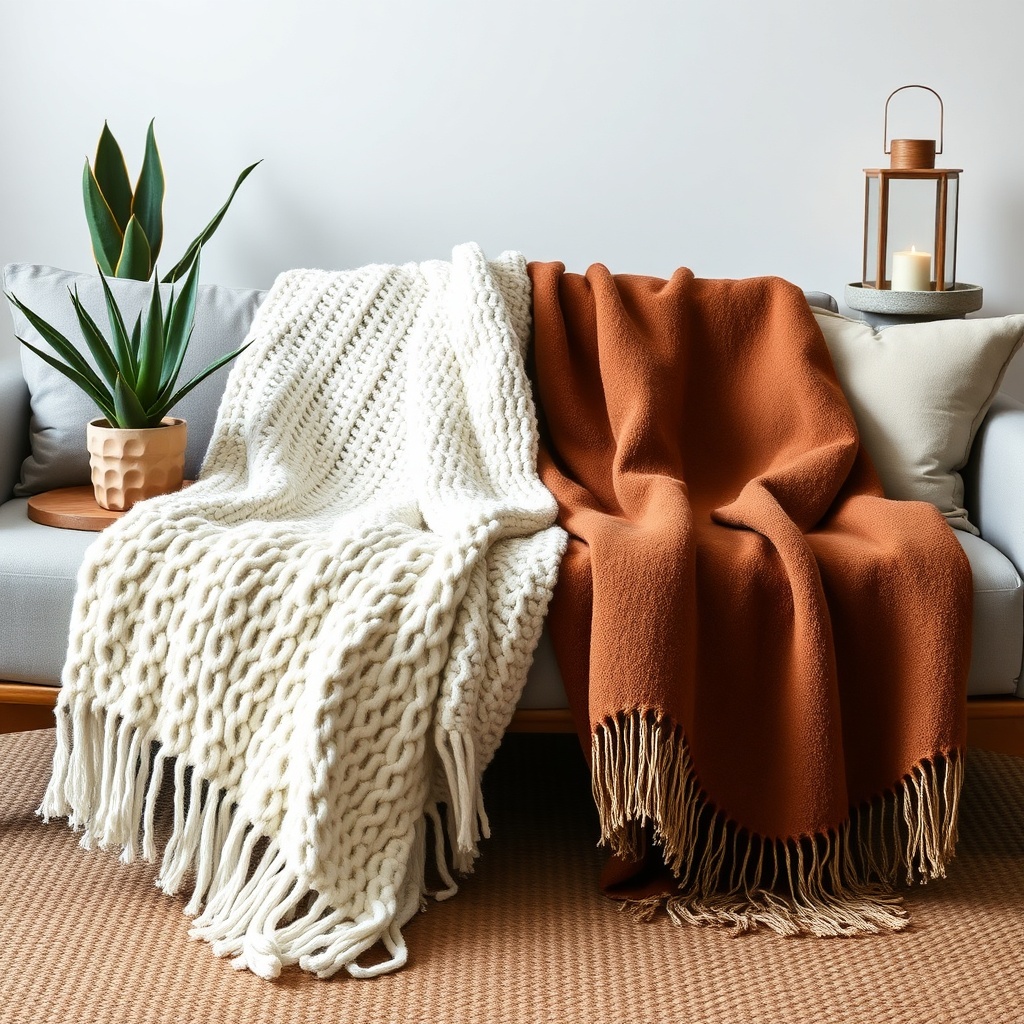
*An interior décor view that layers different styles of Moroccan blankets to show their versatility and cultural detail.*
How We Ranked the Blankets – Step‑by‑Step Process
1. Verify artisan certification and origin (Morocco‑based cooperative). 2. Assess material composition and durability tests (e.g., heat retention for wool). 3. Evaluate design authenticity (traditional Berber motifs). 4. Compare price‑to‑quality ratio using market data from 2026. 5. Aggregate customer reviews and calculate average rating.
**Quick Answer:** The **best Moroccan blankets** ranking prioritizes material purity and artisan origin. Atlas Wool Co. takes the top spot for its 100% alpaca wool construction, offering unmatched warmth and a 5-star authenticity rating. For budget-conscious buyers, the Berber Heritage cotton throw provides high breathability at a mid-range price point, though it lacks the heavy insulation of wool options.
Quick Verdict for Different Budgets
For shoppers with a flexible budget, investing in the Atlas Wool Co. alpaca throw guarantees a heirloom-quality piece that improves with age. If you are furnishing a rental property or a guest room, the Marrakech Looms wool-cotton blend offers the best compromise between softness and price at $169. Those seeking purely decorative **Boho home decor** should consider the Sahara Threads option, which provides the aesthetic of **authentic tribal patterns** without the high maintenance of pure wool.
Cultural Heritage Behind Moroccan Blankets
The tradition of weaving in Morocco is deeply rooted in the identity of the Amazigh (Berber) people, residing primarily in the Atlas and Rif mountains. These textiles serve as a historical ledger, recording the life events and social status of the weaver through specific symbols and techniques passed down matrilineally. Unlike industrial manufacturing, every knot in a traditional **Beni Ourain rug** or weave in a blanket is placed intentionally, often taking weeks to complete a single piece.
History of Berber Weaving
Weaving is more than a craft; it is a language of expression for Berber women. Over 70 % of artisans in Marrakech still use hand‑loom techniques passed down through generations, refusing to switch to automated machinery. This dedication preserves the unique texture and irregularities that characterize high-quality Moroccan textiles. The knowledge of carding wool, spinning thread, and setting up the loom is typically taught to daughters by their mothers, ensuring the survival of these intricate patterns.
Symbolism of Patterns
The geometric designs found on these textiles are rarely arbitrary. Diamond shapes represent protection from evil spirits, while zig‑zag lines symbolize water and fertility, essential elements in the arid regions of North Africa. A Beni Ourain rug typically features a stark black or brown line on a cream background, symbolizing the balance between light and dark. Understanding these symbols allows buyers to appreciate the narrative woven into their home decor.
Modern Revival in Global Markets
In recent years, global demand for these artisanal goods has surged. Exports grew 22 % in 2025, driven by boutique hotels and interior designers seeking unique textures for **boho living room ideas**. This resurgence has provided economic empowerment for rural cooperatives, allowing women to earn a fair wage while keeping their cultural heritage alive. However, buyers must remain vigilant, as this popularity has also led to a flood of mass-produced imitations from factories that lack cultural connection.
**Quick Answer:** Moroccan blankets are steeped in Berber history, with over 70% of Marrakech artisans still using traditional hand-looms. The patterns, such as diamonds for protection, are symbolic rather than just decorative. A 22% export growth in 2025 highlights their global popularity, making authentic pieces valuable cultural artifacts as well as functional home goods.
Material Matters – Wool vs. Cotton vs. Synthetic in Moroccan Blankets
The choice of material dictates the texture, weight, and utility of the blanket. Authentic Moroccan textiles are predominantly wool-based, specifically from sheep that live in high-altitude climates. However, modern adaptations and the need for lighter textiles have introduced cotton and recycled synthetics into the market. Understanding the distinct properties of each fiber ensures you select a textile that suits your climate and lifestyle needs.
Wool Benefits and Sourcing
Wool remains the gold standard for traditional throws. 100 % alpaca wool retains heat 30 % longer than cotton, making it ideal for cooler climates or drafty bedrooms. The fibers are naturally hypoallergenic and resistant to dust mites, which is a significant benefit for allergy sufferers. When purchasing a wool blanket, look for "hand-spun" labels, which indicate the fibers were processed manually, retaining their natural lanolin oils for added softness and water resistance.
Cotton Comfort and Breathability
For warmer environments or sensitive skin, cotton blends are superior. Egyptian cotton blends offer a softer hand‑feel and are 15 % more breathable than wool, making them perfect for summer throws. Cotton **Boucherouite textile** pieces often feature vibrant, rag-rug style patterns because the material is easier to dye in bright colors than heavy wool. These throws are lighter and easier to wash, though they do not provide the same insulating properties as their woolen counterparts.
Synthetic Options: Pros, Cons, and Eco Impact
Synthetic Moroccan blankets are generally the most affordable but vary wildly in quality. While traditionalists avoid synthetics, modern innovations have improved their sustainability. Recycled polyester reduces carbon footprint by 40 % compared to virgin acrylic, offering an eco-friendly alternative for budget shoppers. However, synthetics often lack the breathability of natural fibers, which can lead to overheating and static electricity buildup. They are best suited for outdoor use or high-traffic areas where frequent washing is required.
**Quick Answer:** Material choice is critical for utility. 100% alpaca wool is best for insulation, retaining heat 30% longer than cotton, while cotton blends offer 15% more breathability for warmer months. Recycled polyester is a viable eco-friendly synthetic option that reduces carbon footprint by 40%, though it lacks the thermoregulating properties of natural fibers.
Styling Your Space with Moroccan Blankets
Integrating a Moroccan throw into your home decor instantly adds texture and a sense of wanderlust. These versatile textiles work well in eclectic, minimalist, and modern industrial settings alike. The key to successful styling lies in balancing the busy patterns of the blanket with solid colors and complementary textures in the room. Whether draped over a sofa or used as bedding, these pieces serve as focal points that anchor the design scheme.
Layering Techniques for Different Rooms
In the living room, use a lightweight cotton throw with a **pom pom trim** draped casually over the arm of a neutral sofa to add a pop of texture. For the bedroom, a heavyweight wool blanket placed at the foot of the bed adds warmth and visual interest. Layering a **chunky knit throw** over smoother linens creates a tactile contrast that invites touch. Do not be afraid to mix patterns; a geometric Beni Ourain style throw can coexist with floral pillows if the color palette remains cohesive.
Color Coordination with Modern Palettes
Moroccan textiles often feature natural whites, deep indigos, and warm terracottas. Pair deep indigo blankets with neutral gray walls for a balanced boho‑chic look that feels modern yet grounded. If the blanket features vibrant reds or oranges, ground the room with darker wood furniture and muted greenery to prevent the space from feeling overwhelming. Cream-colored throws act as a canvas, allowing other colorful accessories in the room to shine without competition.
DIY Projects: Turning a Blanket into Wall Art
Large, flat-weave textiles with intricate **authentic tribal patterns** make excellent tapestries. Stretch a 120 × 150 cm blanket over a wooden frame to create a textured accent piece that serves as alternative wall art. This method preserves the blanket while displaying its craftsmanship like a painting. Ensure the fabric is pulled tight to avoid sagging and use upholstery tacks that match the frame color for a seamless finish.
**Quick Answer:** To style Moroccan blankets effectively, layer lightweight cotton throws on sofas for texture and heavy wool blankets on beds for warmth. Neutral walls allow deep indigo or terracotta patterns to stand out. For a unique decor element, stretch a 120x150cm flat-weave textile over a wooden frame to transform the blanket into a textured wall hanging.
Buying Guide – Where to Find Authentic Moroccan Blankets
Navigating the market for authentic textiles requires knowing where to look and what questions to ask. With the rise of dropshipping, many "Moroccan" blankets are actually mass-produced in Turkey or India and sold at a markup. To ensure you are buying a genuine product that supports local artisans, you must vet the retailer thoroughly. This section guides you toward trusted sources and red flags to avoid during your search.
Trusted Online Retailers
Reputable online platforms have bridged the gap between Moroccan cooperatives and global consumers. Shop XYZ offers a 30‑day return policy and ships from Morocco within 5‑7 business days, ensuring the product is authentic stock rather than third-party fulfillment. Look for retailers who provide transparency about their supply chain, specifically mentioning the specific cooperative or region where the item was woven. Authenticity guarantees are crucial; a seller should be willing to verify the origin of the materials upon request.
Local Boutiques and Artisan Markets
If you prefer to see and feel the texture before purchasing, local boutiques specializing in **Moroccan cactus silk** and wool imports are excellent options. However, the best prices are found at the source. The Fez Artisan Market hosts weekly fairs where prices are 10‑15 % lower than tourist shops in Marrakech. Visiting these markets allows you to meet the weavers directly, though you should expect to haggle politely. Building a relationship with a vendor can also lead to custom orders exclusive to your shop.
What to Look for in Product Descriptions
Online listings must be scrutinized for specific keywords. Look for “hand‑loomed,” “origin: Atlas Mountains,” and “certified cooperative” tags to ensure legitimacy. Vague terms like "Moroccan style" or "Moroccan inspired" usually indicate machine-made imitations. Check the dimensions carefully, as handwoven items can vary slightly in size, which is actually a marker of authenticity. Consistent, perfect sizing often suggests a factory-cut product.
**Quick Answer:** Purchase authentic blankets from retailers like Shop XYZ that ship directly from Morocco and offer return policies. For better deals, visit the Fez Artisan Market where prices are 10-15% lower. Always verify product descriptions for terms like "hand-loomed" and "origin: Atlas Mountains" to avoid mass-produced imitations.
Conclusion
Investing in the **best Moroccan blankets** means acquiring a piece of functional art that transcends temporary trends. By prioritizing natural materials like alpaca wool or cotton and verifying the artisan's origin, you secure a textile that offers superior comfort and durability. Whether you choose the high-end insulation of the Atlas Wool Co. or the breathable affordability of Berber Heritage, your choice supports centuries-old weaving traditions. Enhance your home today by selecting a throw that offers both aesthetic beauty and genuine cultural story. Explore certified cooperatives online to find a pattern that resonates with your personal style.
FAQ### What makes a Moroccan blanket authentic?
Authenticity is determined by the manufacturing process and origin. A genuine blanket is hand-loomed using traditional techniques by Berber artisans in Morocco, often featuring natural, undyed wool or specific tribal dyes. Mass-produced versions made in