
Best Handwoven Blankets: 7 Quality Checks
Handwoven blankets occupy a unique space in the home. They are functional art, carrying cultural heritage and representing a sustainable investment that machine-made textiles simply cannot match. However, the market is flooded with imitations that mimic the look without the substance, making it difficult to identify genuine quality. This guide provides a clear, criteria-based framework to help you evaluate and choose the best handwoven blankets for your specific needs, focusing on authenticity, material, craftsmanship, and provenance.
Key Takeaways
- **Authenticity first:** The best handwoven blankets are defined by identifiable weave structure, natural fibers, and maker transparency—not just price or brand. - **Material determines function:** Wool, cotton, alpaca, and silk each offer distinct thermal, durability, and care profiles; the "best" choice depends on intended use. - **Weave density and tension are the primary quality indicators:** A tight, even weave with no loose threads or skipped stitches signals superior craftsmanship. - **Origin and story add intrinsic value:** Blankets with documented artisan provenance and ethical production practices are generally more valuable and durable. - **Care requirements are part of the purchase:** The best blanket is one you can realistically maintain; hand-washing and air-drying are non-negotiable for most handwoven textiles.
The Complete Answer: What Defines the Best Handwoven Blankets?
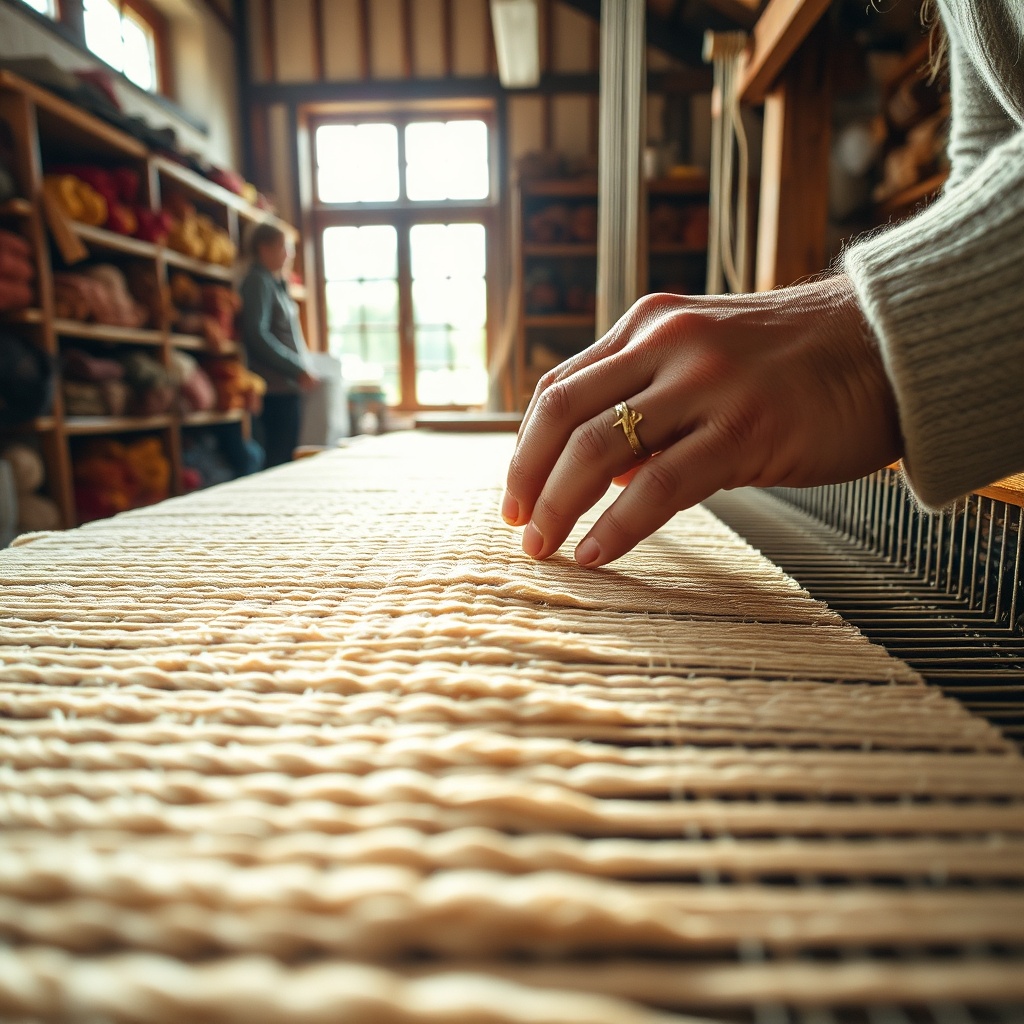
*Visualizes the craftsmanship and weave integrity criteria essential for verifying blanket authenticity and durability.*
The term "best" is not a single rating but a balance of four critical factors. When you apply handwoven blanket quality criteria, you are weighing authenticity, material, craftsmanship, and provenance against your own lifestyle and needs. A heavy, rustic wool throw might be the best choice for a cold winter cabin, while a lightweight organic cotton bedspread is the best for a warm climate. The blanket that wins is the one that aligns with your intended use and maintenance habits.
The Four Pillars of "Best"
**Authenticity** is the foundation. A true handwoven piece is created on a loom operated by a person, which introduces natural variations in tension and pattern that are impossible to replicate on a power loom. **Material** determines the blanket's performance—how warm it is, how it feels, and how long it lasts. **Craftsmanship** is the visible evidence of skill, from the density of the weave to the finishing of the edges. **Provenance** ties the object to a place, a culture, and a maker, adding a layer of value that goes beyond utility.
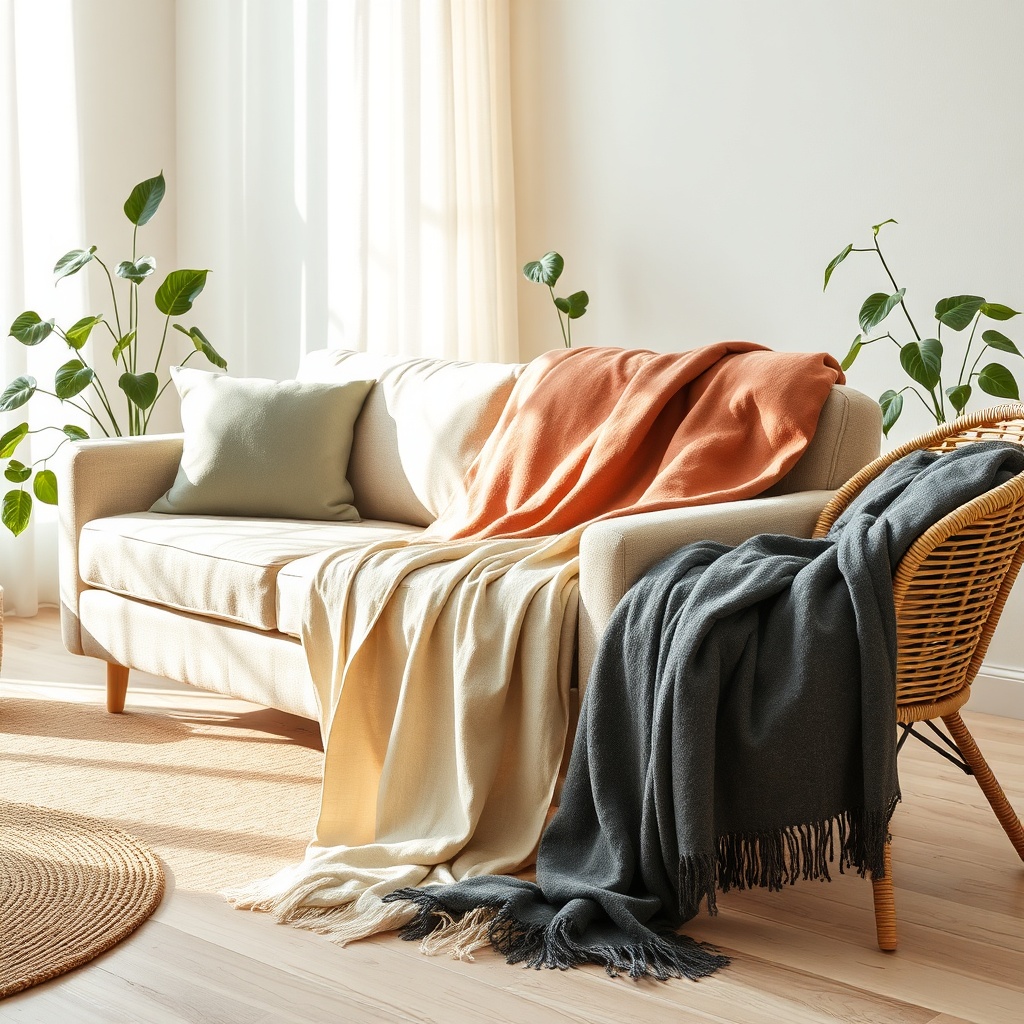
*Demonstrates how varying materials and weave weights align with different climates and maintenance lifestyles while maintaining aesthetic cohesion.*
The Definitive Checklist for Evaluating Any Handwoven Blanket
Use this quick-reference checklist when you are comparing options. It covers the essential quality indicators you can assess without being a textile expert.
| Checkpoint | What to Look For | | :--- | :--- | | **Fiber Type** | 100% natural fibers (wool, cotton, alpaca, silk). Avoid high synthetic blends. | | **Weave Pattern** | Consistent structure but with subtle, organic irregularities. No obvious machine-perfect uniformity. | | **Edge Finish** | Hand-tied fringe or a securely hand-stitched hem. No loose threads or fraying. | | **Weight & Drape** | Balanced weight that feels substantial but not stiff. A natural, fluid drape. | | **Smell** | A clean, earthy scent of natural fiber. No chemical or "new plastic" odor. | | **Price-to-Value Ratio** | A fair price that reflects the time, skill, and materials involved. Extremely low prices are a red flag. |
Why Machine-Made Imitations Fail the "Best" Test
When comparing handwoven vs machine-made blankets, the differences go beyond the surface. Power looms produce perfectly uniform threads and patterns, often with chemical finishes to soften the fabric. They lack the character and human story of a handcrafted piece. More importantly, they often utilize lower-quality fibers to maximize profit margins, which directly impacts durability and comfort. A machine-made blanket may look the part, but it lacks the soul, the story, and often the fiber quality of a genuine handwoven textile.
**Quick Answer:** The best handwoven blankets are defined by a combination of true hand-loomed construction, high-quality natural fibers, and transparent artisan provenance—not simply by a high price tag or a brand name.
Section 1: How to Identify True Handwoven Construction (The Visual & Tactile Test)
Authenticity is the first and most important pillar. You can learn to identify true handwoven construction through careful visual and tactile inspection. This is the core of weave structure identification.
Reading the Weave: Warp, Weft, and Pattern Irregularities
The loom creates a fabric with two sets of threads: the warp (lengthwise) and the weft (crosswise). In a handwoven blanket, you should be able to see the structure of these threads clearly. Turn the blanket over and examine the underside. You are looking for hand-tied knots where the weft threads change direction or where a new thread is introduced. The tension will not be perfectly uniform; you will see slight, organic waves or variations in the spacing of the threads. These are not flaws; they are the fingerprints of the weaver and the primary proof of hand-looming.
The "Finger Glide" Test and Other Tactile Indicators
Machine-made fabric has a perfectly uniform surface. A handwoven blanket will feel slightly different as your hand moves across it. This is due to the natural variation in thread thickness and tension. Here is a 5-step process for performing a tactile inspection:
1. **Glide your palm** across the entire surface of the blanket. Notice any subtle changes in texture or a slight "bumpiness" that indicates natural thread variation. 2. **Pinch a small section** of the fabric and rub it between your fingers. The weave should feel substantial and well-integrated, not loose or flimsy. 3. **Gently pull on the fabric** in both directions. A well-made handwoven piece will have a slight give but should return to its original shape without stretching. 4. **Run your fingers along the edges** and the fringe. The fringe should be secure and of consistent length, but it may show slight, organic variations. 5. **Feel the weight** in your hands. A quality blanket has a substantial, grounded feel that speaks to the density of the weave and the quality of the fiber.
Spotting Red Flags: Chemical Smells, Perfect Edges, and Synthetic Blends
Several signs can alert you to a mass-produced product that is trying to pass as handwoven. A strong chemical smell is a major red flag, indicating synthetic fibers or harsh chemical finishes. Perfectly uniform edges, with no variation in the fringe or hem, suggest a machine-made product. Finally, check the label or the product description for fiber content. A high percentage of acrylic, polyester, or other synthetics is a clear sign that you are not looking at a traditional handwoven blanket.
**Definition:** The **warp and weft** are the two basic components of any woven fabric. The warp runs lengthwise, and the weft is woven over and under the warp threads to create the fabric's structure.
Section 2: Best Fibers for Handwoven Blankets (Choosing by Use Case)
The material is the soul of the blanket. The "best" fiber depends entirely on where you live, how you sleep, and your personal preferences. Each natural fiber offers a unique profile of warmth, durability, and care requirements.
Wool: The All-Season Champion for Warmth and Durability
Wool is the classic choice for handwoven blankets, and for good reason. It is naturally breathable and moisture-wicking, meaning it helps regulate body temperature, keeping you warm in winter and cool in summer. The wool handwoven blanket benefits are numerous: it is durable, naturally flame-resistant, and can last for decades with proper care. Merino wool is prized for its softness and fine fibers, while raw sheep's wool offers a more rustic and durable texture. Lambswool, taken from the first shearing of a sheep, is exceptionally soft and luxurious.
Cotton and Linen: The Breathable Picks for Warm Climates and Layering
For warmer climates or for use as a summer layer, cotton and linen are excellent choices. They are highly breathable, hypoallergenic, and gentle on sensitive skin. Handwoven organic cotton bedspreads are a fantastic option for eco-friendly home decor, offering a soft, durable, and sustainable textile. Linen, made from the flax plant, is even more breathable than cotton and has a unique, slightly textured feel that becomes softer with every wash. These fibers are also easier to care for than wool, though hand-washing is still recommended.
Alpaca, Silk, and Blends: The Luxury Tier
Alpaca fiber, particularly from the Andes, is incredibly soft, warm, and lightweight—often described as warmer than wool but without the itch. Andean alpaca wool throws are a prime example of luxury handwoven textiles. Silk, when blended with other fibers, can add luster and a beautiful drape. However, be cautious with blends. A high-quality blend, such as wool-silk, genuinely improves the blanket by combining the warmth of wool with the softness of silk. A low-quality blend, often with a high percentage of synthetic fibers, is a cost-cutting tactic that compromises durability and comfort. Always check the percentage of each fiber in the blend.
Section 3: A Comparative Look at Weave Styles and Their Practical Impact
The structure of the weave—how the warp and weft interact—has a direct impact on the blanket's durability, drape, and warmth. Understanding these differences will help you choose the right structure for your needs.
Plain Weave vs. Twill vs. Herringbone: Which Structure Lasts Longer?
The weave style is a fundamental element of durable wool blanket construction. Here is how the most common styles compare.
| Weave Style | Durability | Drape & Softness | Warmth | Best Use Case | Care Complexity | | :--- | :--- | :--- | :--- | :--- | :--- | | **Plain Weave** | High | Moderate | Moderate | Everyday throws, bedspreads | Low | | **Twill Weave** | Very High | Soft & Flexible | High | Heavy winter blankets, durable throws | Moderate | | **Herringbone** | High | Good | High | Elegant throws, decorative blankets | Moderate |
A plain weave is the simplest and most common structure, where the weft thread goes over and under each warp thread. It is durable but can feel a bit stiff. A twill weave creates a diagonal pattern by passing the weft over two or more warp threads. This creates a denser, softer, and more durable fabric that drapes beautifully. Herringbone is a variation of twill that creates a V-shaped pattern, offering the same benefits as twill with a more sophisticated aesthetic.
The Role of Fringe and Finished Edges in Longevity
The way a blanket is finished has a significant impact on its lifespan. Blanket edge finishing techniques are a key indicator of craftsmanship. Self-fringe is created by leaving the warp threads exposed at the ends and is often twisted or knotted to secure them. This is a traditional and durable finish if the knots are tight. A **hemmed edge** involves folding the fabric over and stitching it down, which prevents fraying but can be less flexible. **Braided edges** are decorative and add a beautiful, finished look, but they can be more susceptible to wear if the braiding is not tight. A well-finished edge is a sign of a quality product and will help prevent unraveling and damage over time.
Section 4: Sourcing the Best: Artisan Communities, Ethical Production, and Provenance
The story behind the blanket is as important as the blanket itself. Ethical handwoven blanket sourcing ensures that your purchase supports artisans and preserves traditional cultural patterns.
Reading the Maker's Story: What to Look For in Brand Transparency
A reputable seller of handwoven textiles will be transparent about the maker. Look for product descriptions that include the name of the artisan or the cooperative, photos of the weaving process, and details about the specific traditional cultural patterns used. This transparency is a strong indicator of fair trade handmade blankets. If a brand cannot tell you who wove the blanket, where it was made, or what techniques were used, it is a significant red flag.
Geographic Hotspots for Authentic Handwoven Textiles
Certain regions are world-renowned for their weaving traditions. Oaxaca, Mexico, is famous for Zapotec designs, often featuring bold geometric patterns and natural dyes on wool. Peru is celebrated for its high-quality Andean alpaca wool throws, which are exceptionally soft and warm. Scotland has a long history of tartan weaving, known for its precision and use of high-quality wool. These regional traditions bring distinct characteristics to the blankets, from the fibers used to the cultural patterns woven into the fabric.
The Cost of "Best": Why Fair Pricing is a Quality Indicator
A handwoven blanket is the product of significant time, skill, and high-quality materials. The cost drivers are the artisan's time, the price of the raw fiber, and the expertise required to weave a durable, beautiful piece. Consequently, a significantly low price is a red flag. It may indicate that the blanket is a synthetic blend, that it was mass-produced, or that the artisans were not fairly compensated. A fair price is an investment in quality and ethical production, and it is a core component of what makes a blanket one of the "best."
Section 5: Care and Maintenance to Preserve Your Handwoven Blanket's Best Qualities
Purchasing a quality handwoven blanket is only the beginning. Proper care is essential to preserve its beauty and durability for years to come. Following handwoven blanket care instructions is crucial.
The No-Machine Rule: Hand-Washing and Drying Protocols
Most handwoven blankets, especially those made of wool, should never be machine-washed. The agitation and heat can cause felting, shrinkage, and damage to the delicate fibers. Here is a 6-step guide for safe hand-washing:
1. **Fill a large basin or tub** with cool or lukewarm water (never hot). 2. **Add a small amount of a gentle detergent** specifically designed for wool or delicate fabrics. Avoid harsh chemicals and bleach. 3. **Submerge the blanket** and gently press it down to allow the water to penetrate. Do not scrub, wring, or twist the fabric. 4. **Let it soak for 10-15 minutes**, then gently agitate the water with your hands to release dirt. 5. **Drain the soapy water** and refill the basin with clean, cool water. Gently press the blanket to rinse out the soap. Repeat this rinsing step until no suds remain. 6. **Remove the blanket carefully** and press out excess water without wringing. Lay it flat on a clean, dry towel, roll the towel up to absorb more moisture, and then lay the blanket flat on a drying rack or another dry towel away from direct sunlight.
Storage, Moth Prevention, and Sunlight Exposure
Proper storage is key to preventing damage. Always store your handwoven blanket folded, never hung, as hanging can stretch and distort the weave. To prevent moth damage, use natural repellents like cedar blocks, lavender sachets, or dried rosemary. Finally, avoid prolonged exposure to direct sunlight, which can fade the natural dyes and weaken the fibers over time.
When to Repair vs. Replace: Extending the Life of a Handwoven Blanket
Small issues like a snagged thread or a small hole can often be repaired. Basic darning is a simple technique that can be learned and can significantly extend the life of your blanket. For more significant damage, such as a large tear or a broken warp thread, it is best to consult a professional textile restorer. Replacing a blanket should be a last resort; a quality handwoven piece is an investment meant to be repaired and enjoyed for a lifetime.
Section 6: Where to Buy and What to Avoid (A Buyer's Guide)
Your choice of retailer can have a significant impact on the authenticity and quality of the blanket you receive. Each channel offers a different balance of convenience, transparency, and price.
Online Marketplaces vs. Direct-from-Artisan vs. Boutique Retailers
**Online marketplaces** offer a vast selection and can be a great place to find unique pieces, but they also have a higher risk of mass-produced imitations. You must be diligent in checking reviews, seller ratings, and product descriptions. **Direct-from-artisan** channels, such as cooperatives or artisan-owned websites, offer the highest level of transparency and ensure that your money goes directly to the maker. **Boutique retailers** that specialize in fair trade goods or ethical home decor offer a curated selection, often with more detailed product information and better return policies, but their prices are typically higher to account for their curation and overhead.
Questions to Ask Before You Buy (The 5-Question Test)
Before making a purchase, use this 5-question test to verify the quality and authenticity of the blanket:
1. **Fiber:** What is the exact fiber content? Is it 100% natural? 2. **Weave:** How was it made? Is it hand-loomed on a traditional loom? 3. **Maker:** Who is the artisan or cooperative? Can you provide their name or story? 4. **Care:** What are the specific care instructions? Is hand-washing required? 5. **Policy:** What is your return or warranty policy?
A seller who can answer these questions confidently and transparently is a reliable source.
Final Selection Framework: Matching the Blanket to Your Lifestyle
The "best" blanket is a personal match. Use this simple decision framework to guide your choice:
- **If you need a heavy winter throw** for a cold living room, choose a durable wool or twill-weave blanket for maximum warmth. - **If you need a lightweight summer cover** for a warm climate, choose a breathable cotton or linen blanket. - **If you are looking for a luxurious gift**, choose an Andean alpaca wool throw or a silk blend for its exceptional softness and drape. - **If you are concerned about allergies**, choose a hypoallergenic cotton or a high-quality merino wool. - **If you want a statement piece with cultural significance**, choose a blanket with traditional cultural patterns and a documented artisan story.
FAQ
How can I tell if a blanket is truly handwoven without seeing it in person?
Without seeing it in person, your best tools are the product description and the seller's transparency. Look for detailed information about the weaving process, the specific loom used, and the artisan's name or cooperative. High-quality photos that show the texture of the weave and the underside of the blanket are also helpful. Be wary of descriptions that are vague or use generic terms like "artisan-style" or "hand-loomed look."
What is the average lifespan of a quality handwoven blanket?
The lifespan of a quality handwoven blanket depends heavily on the fiber, the frequency of use, and the care it receives. A well-made wool blanket that is properly cared for can last for decades, often becoming a cherished heirloom passed down through generations. Cotton and linen blankets are also durable but may not last as long as wool if used heavily. Regular hand-washing and proper storage are the most critical factors in extending a blanket's life.
Are handwoven blankets worth the higher price compared to machine-made ones?
Yes, for many buyers, the higher price is a worthwhile investment. The value comes from several sources: superior natural fibers that are more durable and comfortable, the unique character of a piece made by hand, the support of artisan communities and fair trade practices, and the fact that you are purchasing a sustainable textile that will last for years. A machine-made blanket is cheaper upfront, but it is also a disposable item that will likely need to be replaced far sooner.
Can I put a handwoven blanket in a washing machine if I use a gentle cycle?
It is generally not recommended. The agitation and spin cycle of a washing machine can cause felting in wool and damage the delicate structure of the weave, even on a gentle cycle. Hand-washing is the only safe method for most handwoven blankets. If you are unsure, always refer to the specific care instructions provided by the maker.
What is the best handwoven blanket for someone with sensitive skin or allergies?
For sensitive skin, the best choices are hypoallergenic fibers. High-quality, fine merino wool is naturally soft and less likely to cause itching than coarser sheep's wool. Organic cotton is another excellent option, as it is gentle, breathable, and less likely to cause irritation. Alpaca is also a wonderful choice for sensitive skin, as its fibers are smooth and contain no lanolin, which is a common allergen in wool. Always ensure the blanket is made from 100% natural fibers without any synthetic additives.
Conclusion
Choosing the best handwoven blankets is a journey that balances four key pillars: authenticity, material, craftsmanship, and provenance. The right blanket for you is not a universal winner but a personal match that fits your climate, lifestyle, and aesthetic preferences. Use the checklist and tactile tests from this guide to evaluate any potential purchase. Look for a tight, even weave, natural fibers, and a transparent maker's story. Remember that a fair price is a sign of quality and ethical production. With proper care, a handwoven blanket is more than a purchase—it is a functional piece of art and a sustainable investment that can be enjoyed for a lifetime. Share your own handwoven blanket experience or questions in the comments below.