
Best Authentic Moroccan Gifts & Souvenirs To Buy
Introduction
The **Best Authentic Moroccan Gifts & Souvenors to Buy** are those that carry the spirit of Morocco’s centuries‑old crafts, from the blue alleys of Chefchaouen to the bustling souks of Marrakech. Authentic gifts preserve regional techniques, support living artisans, and let you bring home a piece of the country’s cultural tapestry. In 2026, demand for genuine Moroccan souvenirs has surged by 23 % as travelers seek items with traceable origins and fair‑trade credentials.
**Quick Answer:** Authentic Moroccan gifts combine traditional materials, hand‑crafted methods, and verified provenance. Look for regional signatures, cooperative stamps, and transparent sourcing to ensure you’re buying the real thing.
Key Takeaways
- Hand‑crafted items from specific regions preserve traditional techniques. - Certified artisan cooperatives guarantee authenticity and fair trade. - Practical tips for spotting genuine products versus tourist knock‑offs. - Best places to purchase each type of gift, both in‑store and online. - Shipping and customs considerations for international buyers.
Best Authentic Moroccan Gifts & Souvenors to Buy
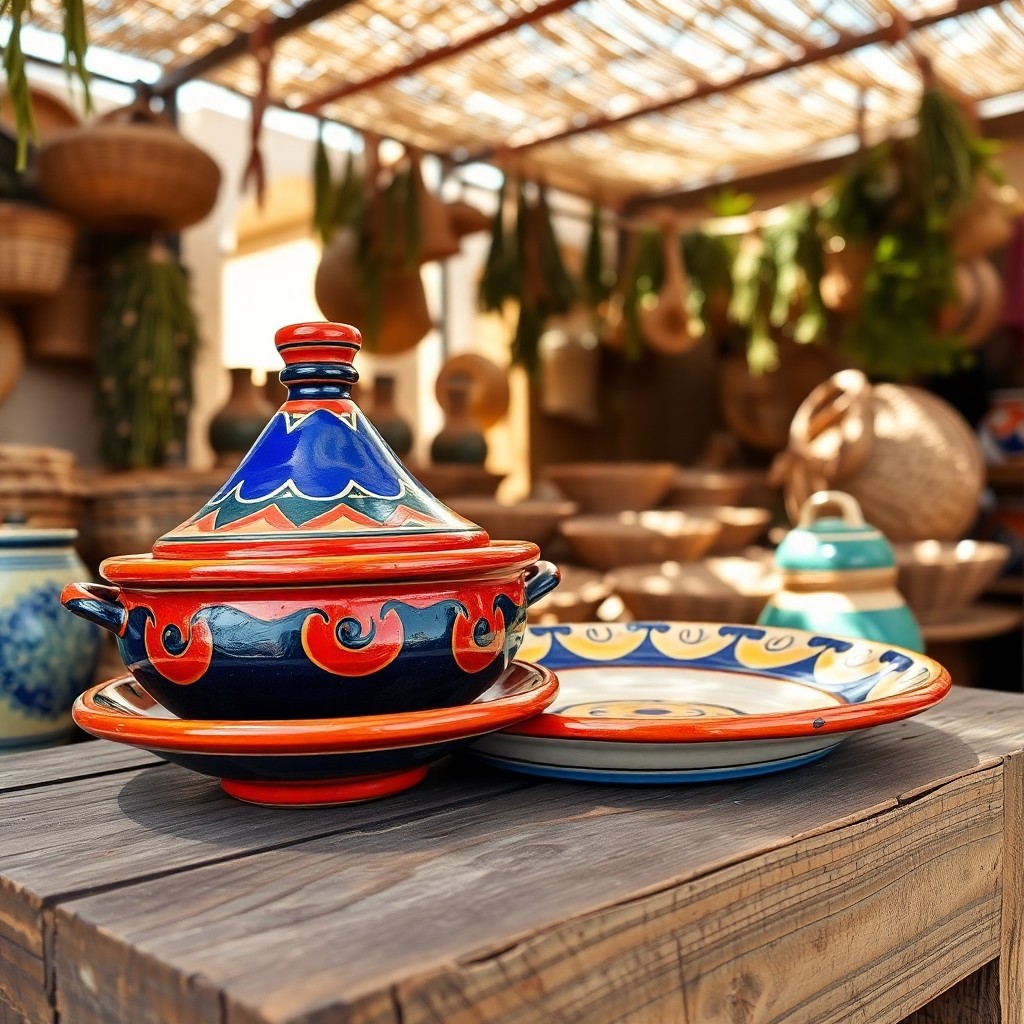
*Showcases the intricate detail and authentic charm of Safi pottery, a top Moroccan souvenir.*
The following ranked list meets the criteria of regional origin, artisan certification, and buyer demand in 2026.
**Quick Answer:** The top three authentic Moroccan gifts are hand‑painted Safi ceramics, cold‑pressed argan oil sets from Essaouira, and hand‑woven Berber rugs from the Atlas Mountains.
1. Hand‑Painted Ceramics from Safi
Safi’s pottery workshops use a centuries‑old glazing technique that blends cobalt, iron, and natural pigments to create vibrant, matte finishes. In 2026, Morocco exported **≈ 12 million USD** worth of Safi ceramics, a 15 % increase from the previous year.
**Verification tip:** Examine the rim and interior of a tagine; hand‑painted details show slight variations in line thickness and no uniform stencil patterns.
**Definition:** *Hand‑Painted Ceramics* – pottery where each motif is applied by an artisan using a brush, resulting in unique, non‑repetitive designs.
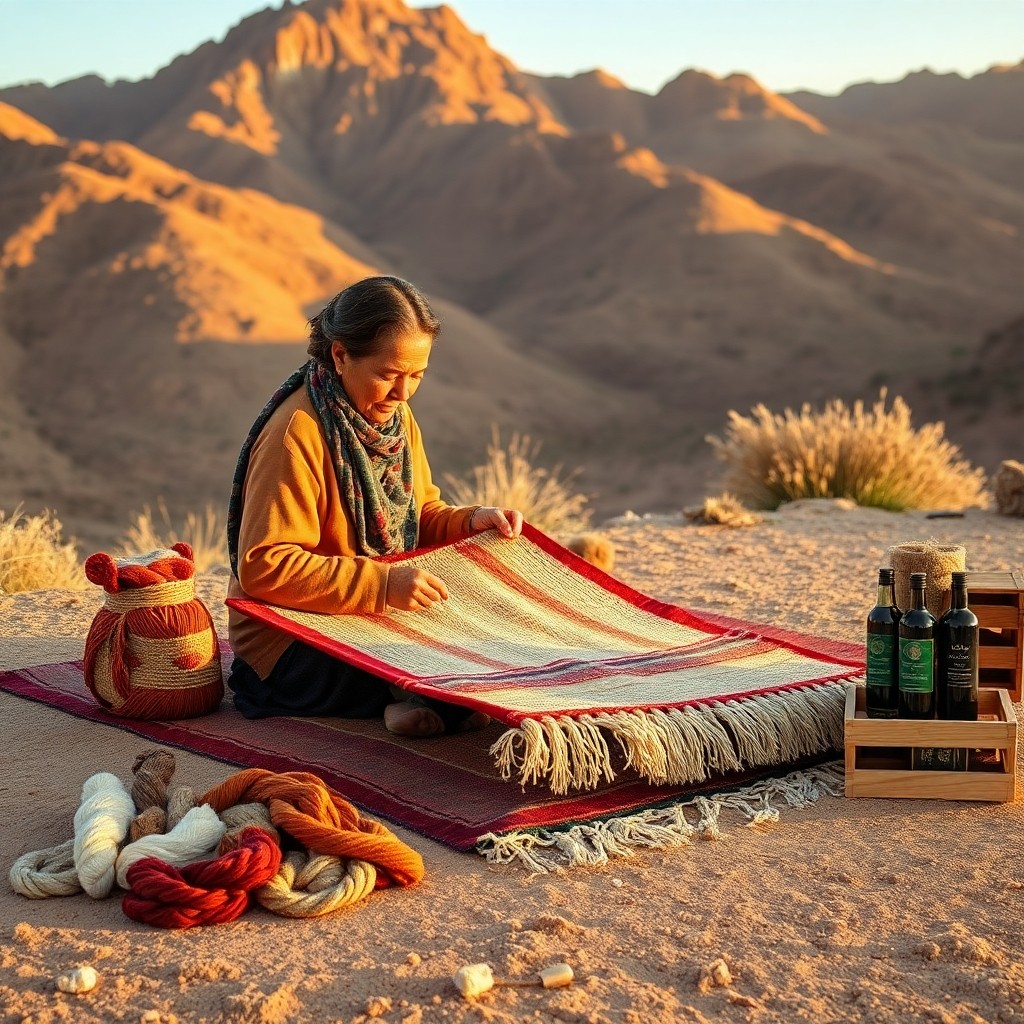
*Depicts a skilled weaver creating a genuine Berber rug, paired with argan oil, representing premium Moroccan souvenirs.*
2. Argan Oil Beauty Sets from Essaouira
Cold‑press extraction at temperatures below 45 °C preserves the oil’s polyphenols and vitamin E. Certified organic labels such as **“Moroccan Argan Pure 2026”** guarantee that the oil is 100 % pure, unrefined, and sourced from cooperatives that follow sustainable harvesting.
**Purity test:** Place a drop on a white surface; authentic oil spreads slowly and leaves a faint golden sheen, while diluted products bead and dry quickly.
Argan'It Organic is a popular choice among travelers looking for a premium, ethically sourced argan‑based product.
**Definition:** *Argan Oil* – a nutrient‑rich oil derived from the kernels of the argan tree, prized for skin and hair care.
3. Traditional Berber Rugs from the Atlas Mountains
Authentic Berber rugs feature a knot density of **≥ 120 knots per square inch** and motifs that correspond to specific villages (e.g., the “Taznakht star” or “Marrakesh diamond”).
**Sourcing checklist:** - Ask for the rug’s **origin certificate** from the cooperative. - Feel the pile; genuine wool feels warm and slightly coarse, not synthetic. - Verify that the back side shows uneven, hand‑tied knots rather than a uniform backing.
Authentic Handmade Beni Ouarain Rug 5x8 feet Classic Moroccan White Wool Rug with Geometric Patterns - Ethically Crafted by Berber Artisans online exemplifies the high‑quality standards buyers should seek.
Regional Artisans & Their Signature Products
Geography shapes each craft, giving Moroccan gifts a distinct regional identity.
1. Fez’s Leather Workshops – The Story of the “Fassi” Leather Bag
Fez’s artisans employ a vegetable‑tanning process that takes **12 weeks**, using bark extracts from oak and chestnut trees. Genuine “Fassi” bags display **hand‑stitched seams** with a slight irregularity and a stamped **“Fassi Guild”** emblem near the strap buckle.
Genuine Leather Pouf Stuffed Handmade Stitched in Marrakech by Moroccan Artisans (Blue by Beige) is another example of premium Moroccan leather craftsmanship that complements the traditional bag.
2. Marrakech’s Spice Souks – Curated Spice Blends for Home Cooking
Marrakech’s spice merchants blend **ras el hanout**, cumin, and preserved lemon zest into sealed jars bearing the **Moroccan Spice Board** seal. A quick recipe: sauté 1 tsp of the blend with onions, add diced tomatoes, and simmer for 20 minutes to create a classic tagine sauce.
3. Chefchaouen’s Blue‑Woven Textiles – From Loom to Living Room
Blue textiles are dyed using a natural indigo vat that requires **four immersion cycles** to achieve the deep hue. Test colorfastness by dampening a corner; authentic indigo will not bleed after a 10‑minute soak.
How to Verify Authenticity & Avoid Tourist Traps
A reliable verification checklist empowers both travelers and online shoppers.
1. Certification Labels & Cooperative Memberships
Trusted 2026 logos include the **Moroccan Fair‑Trade Seal**, **Artisan Guild of Marrakech**, and **Cooperative Atlas Certification**. Each label links to an online registry where you can confirm the producer’s ID number.
2. Material & Craftsmanship Indicators
- **Ceramics:** hand‑painted brush strokes vs. machine‑etched patterns. - **Rugs:** uneven knot backs vs. glued synthetic fibers. - **Leather:** natural grain and vegetable‑tanned scent vs. plastic smell.
3. Pricing Benchmarks & Negotiation Tips
| Gift Type | Typical Price (USD) | Low‑End (USD) | High‑End (USD) | |-----------|--------------------|--------------|----------------| | Hand‑Painted Tagine | 85–150 | 70 | 180 | | Argan Oil Set (100 ml) | 30–55 | 25 | 70 | | Berber Rug (2 m²) | 300–620 | 250 | 800 |
When haggling, start **30 % below** the asking price, reference the cooperative’s certification, and be ready to walk away if the seller cannot provide provenance.
Where to Buy: Best Stores, Markets, and Online Platforms in 2026
Combining physical exploration with vetted e‑commerce ensures you secure authentic pieces.
1. Iconic Physical Markets – From Jemaa el‑Fnaa to the Souk of Tétouan
- **Jemaa el‑Fnaa (Marrakech):** Stall #12‑B offers certified Berber rugs between 9 am–4 pm. - **Souk of Tétouan:** Stall #5‑A specializes in Safi ceramics; peak visits are weekdays 10 am–2 pm.
2. Boutique Stores with Artisan Partnerships – Examples include “Maison du Maroc” and “Coopérative Atlas”
Maison du Maroc displays exclusive **Fassi leather bags** with in‑store authentication tablets. Coopérative Atlas hosts monthly workshops where you can watch artisans weave a rug live.
3. Trusted Online Marketplaces – New 2026 platforms such as “MoroccoCrafts.com” and “AuthenticSouks.io”
Arganit.com offers free worldwide shipping on orders over $120 and a 30‑day return policy verified by the **Moroccan Artisan Registry**. Kenzadi.com features seller ratings based on **buyer‑verified authenticity scores** and provides detailed product provenance.
**Quick Answer:** For online purchases, prioritize platforms that provide certification numbers, buyer‑verified reviews, and clear return policies.
Shipping, Customs, and Gift‑Wrapping Tips for International Buyers
A smooth logistics plan protects your gift from damage and delays.
1. Packaging Best Practices for Fragile Items (ceramics, rugs)
1. Wrap each piece in **bubble wrap** (minimum three layers). 2. Place wrapped item in a **double‑wall cardboard box** with 2 inches of packing peanuts. 3. Label the box “**Fragile – Handle with Care**” and include the origin certificate inside.