
Berber Crafts: Handmade Moroccan Art & Culture
Introduction
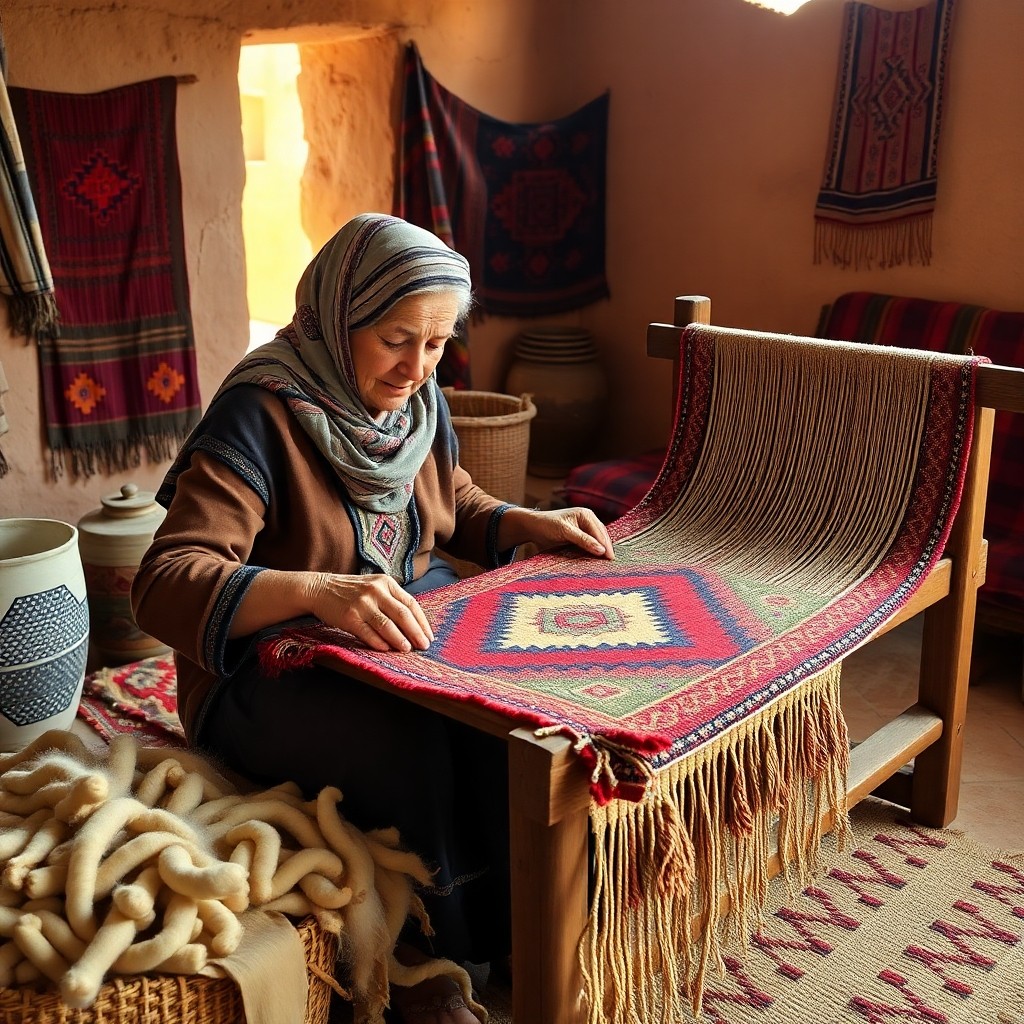
Berber Crafts: Handmade Moroccan Art & Culture is a vibrant and rich part of Moroccan heritage, reflecting the country's diverse cultural influences. The significance of handmade art in Moroccan culture cannot be overstated, as it plays a crucial role in preserving traditional techniques and passing them down to future generations. I still remember my first encounter with Berber crafts, where I marveled at the intricate patterns and colors of a handmade Berber rug, measuring 5x8 feet, with a unique combination of geometric patterns and symbols. The story behind the rug, which was woven by a skilled Berber artisan, left a lasting impression on me. As I delved deeper into the world of Berber crafts, I discovered the fascinating history and cultural significance of these handmade treasures, which can be found at our Moroccan products marketplace.
History of Berber Crafts
Origins of Berber Craftsmanship
The ancient roots of Berber crafts in Morocco date back to the pre-Islamic era, around 1000 BC, when the Berber people inhabited the region. The influence of Arab, Mediterranean, and African cultures has shaped the evolution of Berber craftsmanship, resulting in a distinct and vibrant artistic style. The Berber people have a long history of producing exquisite handicrafts, including textiles, pottery, and jewelry, with techniques passed down through generations. For example, the Berber people have been known for their expertise in weaving and embroidery, which has been passed down through generations, with traditional techniques such as the "kourel" stitch and "zellige" tile work.
Evolution of Berber Art
Over time, Berber crafts have evolved, incorporating new techniques and materials while maintaining their traditional essence. Traditional Berber art forms, such as the intricate patterns and symbols used in textiles and pottery, continue to inspire contemporary artists. The evolution of Berber art is a testament to the adaptability and creativity of the Berber people, who have successfully preserved their cultural heritage in the face of changing times. A historical timeline of Berber crafts would reveal significant milestones and events that have shaped the development of these handmade treasures, including the creation of the Authentic Handmade Beni Ouarain rugs, which date back to the 19th century.
Traditional Berber Crafts
Textiles and Weaving
Traditional Berber weaving techniques and materials are an essential part of Berber culture, with textiles playing a significant role in everyday life. The Berber people use natural fibers, such as wool and cotton, to create exquisite fabrics, often adorned with intricate patterns and symbols. For instance, the traditional Berber rug is a masterpiece of Berber weaving, featuring a unique combination of colors and patterns, with some rugs taking up to 6 months to complete. The significance of textiles in Berber culture extends beyond their aesthetic value, as they often carry symbolic meanings and tell stories about the community.
Pottery and Ceramics
Traditional Berber pottery and ceramics techniques have been passed down through generations, with each region in Morocco having its unique style and specialty. The Berber people use natural materials, such as clay and wood, to create functional and decorative pieces, including tagines, plates, and vases. For example, the Berber pottery from the Atlas Mountains is renowned for its distinctive shapes and glazes, often served with a Moroccan Serving Teapot Handmade of brass, which is crafted using traditional techniques such as hammering and engraving.
Modern Berber Art and Culture
Contemporary Berber Artists
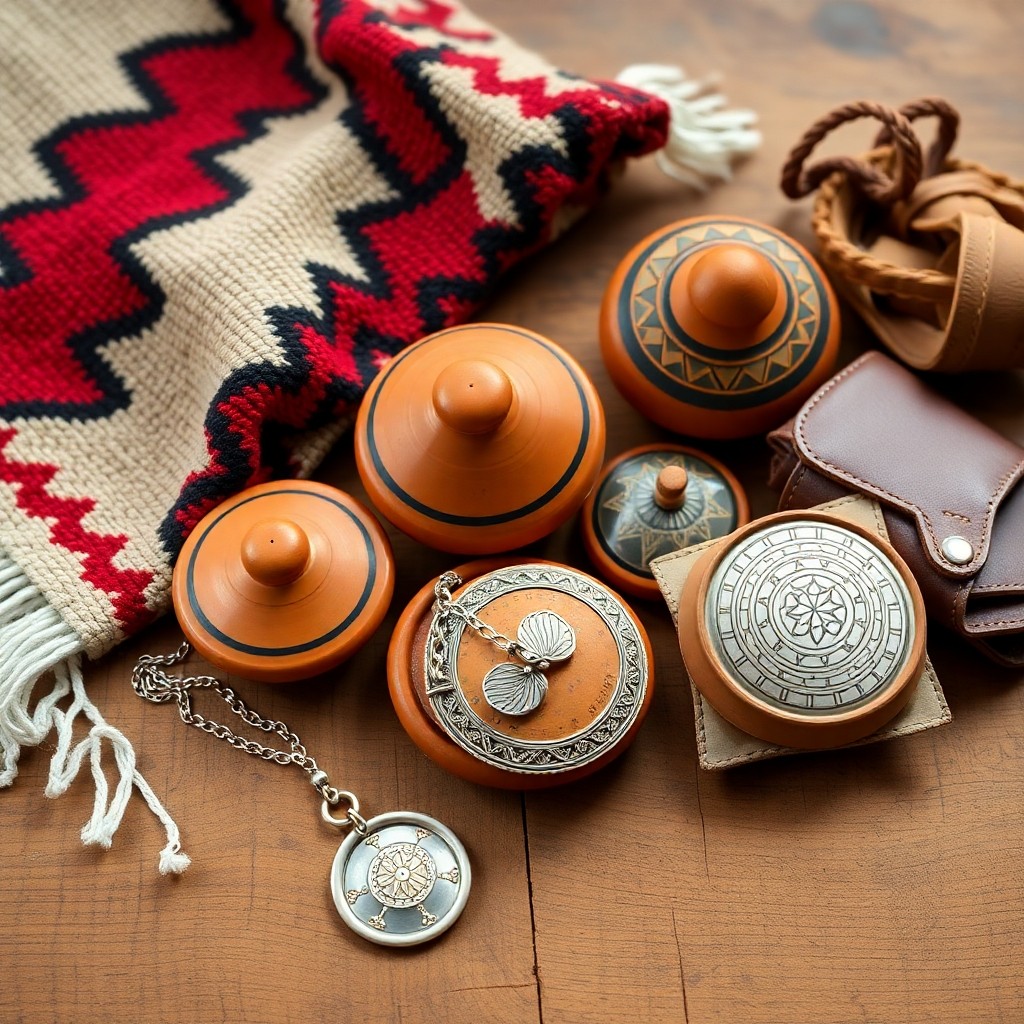
Modern Berber artists are preserving traditional techniques while innovating new styles, resulting in a fresh and exciting artistic movement. These artists are experimenting with new materials and themes, while maintaining the essence of Berber culture. For instance, the Moroccan artist Hassan Hajjaj is known for his vibrant and eclectic works, which blend traditional Berber motifs with modern styles, such as street art and photography. Contemporary Berber artists are playing a crucial role in promoting Berber heritage and making it accessible to a wider audience.
Berber Cultural Festivals and Events
The various festivals and events that celebrate Berber culture are essential in promoting Berber heritage and preserving traditional crafts. These events, such as the Fes Festival of World Sacred Music, bring together Berber communities and artists, providing a platform for cultural exchange and expression. The importance of these events lies in their ability to showcase Berber culture and provide opportunities for artisans to showcase their work, with some events featuring traditional music, dance, and handicraft exhibitions.
Preserving Berber Crafts and Culture
Efforts to Preserve Traditional Crafts
Efforts are being made to preserve traditional Berber crafts, including initiatives to support Berber artisans and promote their work. Organizations, such as the Craft Revival Trust, are working to document and preserve traditional crafts, while also providing training and resources to artisans. These efforts are crucial in ensuring the continuation of Berber crafts and the cultural heritage they represent, with some initiatives focusing on sustainable tourism and fair trade practices.
Supporting Berber Artisans
Supporting Berber artisans and their communities is essential in preserving traditional crafts and promoting cultural heritage. Fair trade practices, such as those promoted by the Fairtrade Foundation, ensure that artisans receive fair compensation for their work, enabling them to continue producing high-quality handicrafts. Sustainable tourism initiatives, such as Intrepid Travel, also play a significant role in supporting Berber communities and promoting cultural exchange, with some tours featuring visits to local artisans and workshops.
Conclusion
In conclusion, Berber crafts are a vital part of Moroccan heritage, reflecting the country's diverse cultural influences. By supporting Berber artisans and their communities, we can help preserve the rich cultural heritage of Morocco and promote cross-cultural understanding. We encourage you to explore the world of Berber crafts, to learn about the history and cultural significance of these handmade treasures, and to support Berber artisans and their communities.
FAQs
Q: What is the significance of Berber crafts in Moroccan culture? A: Berber crafts play a crucial role in preserving traditional techniques and passing them down to future generations, while also promoting cross-cultural understanding and exchange.
Q: How can I support Berber artisans and their communities? A: You can support Berber artisans by purchasing their handicrafts, promoting fair trade practices, and participating in sustainable tourism initiatives.
Q: What are some traditional Berber crafts that I can learn or purchase? A: Traditional Berber crafts include textiles, pottery, and jewelry, which can be learned through workshops or purchased from local artisans or online marketplaces, such as Moroccan products.