
Ultimate Guide To Authentic Moroccan Tagine Recipes
The Ultimate Guide to Authentic Moroccan Tagine Recipes
Authentic Moroccan tagine recipes rely on the unique conical shape of the clay vessel to create a self-basting steam cycle, ensuring meat becomes incredibly tender through slow cooking. To achieve true flavor, you must use a combination of high-grade **saffron**, **preserved lemons**, and complex spice blends like **Ras el Hanout**. This method transforms simple ingredients into a layered masterpiece by utilizing moisture retention rather than heavy liquids.
The sensory experience of a traditional Moroccan kitchen begins with the aromatic steam rising from a conical clay lid. As you lift the cover, the scent of toasted cumin, sweet cinnamon, and earthy turmeric fills the room, signaling a meal that has been simmering for hours.
Many home cooks mistake a tagine for a simple one-pot stew, but it is actually a sophisticated cultural art form. While a stew relies on boiling liquid to cook ingredients, a tagine utilizes a specialized steam-retention cycle to braise proteins in their own juices. This distinction is what separates a heavy, watery dish from the concentrated, intense flavors found in North Africa.
Key Takeaways
* The conical lid of the tagine vessel is essential for moisture retention and self-basting. * The "Holy Trinity" of Moroccan spices consists of **Ras el Hanout**, **saffron**, and ginger. * Slow-cooking at low temperatures is mandatory to prevent burning and ensure protein tenderness. * Preserving the integrity of fresh ingredients, such as using whole olives and preserved lemons, is vital for authentic salt and acid profiles.
What Makes a Tagine Truly Authentic? (The Definitive Answer)
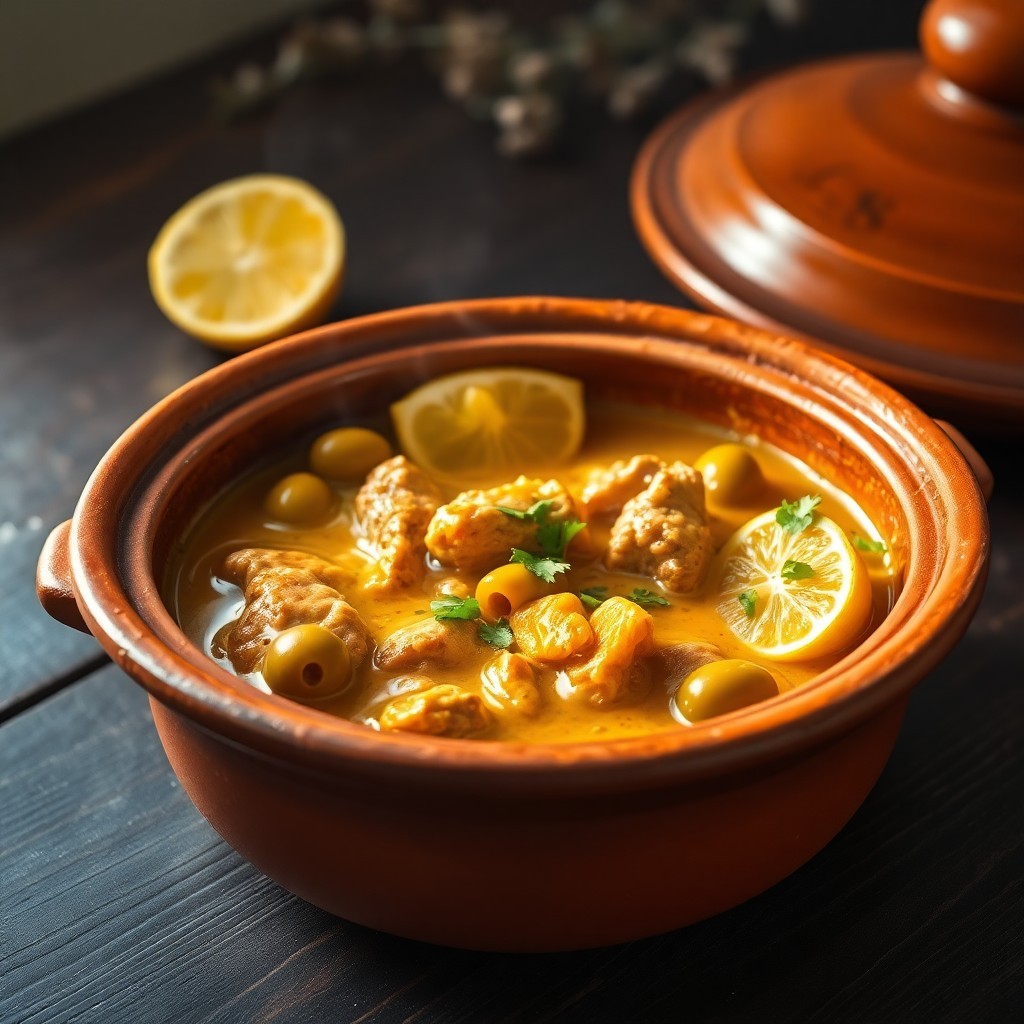
*Close-up of the finished dish highlighting key ingredients like saffron, olives, and preserved lemons.*
Authenticity in Moroccan cuisine is defined by the synergy between the specific earthenware vessel and the slow-cooking technique used to layer flavors. Unlike standard Dutch ovens, a traditional Tagine - Wikipedia online uses a conical lid that captures condensation and drips it back onto the ingredients, preventing the need for excess water.
The Science of the Conical Lid
The shape of the tagine is not merely aesthetic; it is a functional piece of culinary engineering. As heat rises, it hits the sloping sides of the conical lid, where it condenses into droplets. These droplets then trickle down the sides, continuously basting the ingredients below.
While modern ceramic versions are durable and easy to clean, traditional **clay pot** or terracotta vessels offer superior heat distribution. The porous nature of clay allows for a more even heat spread, which is critical when following Kenzadi store methods that require steady, low temperatures.
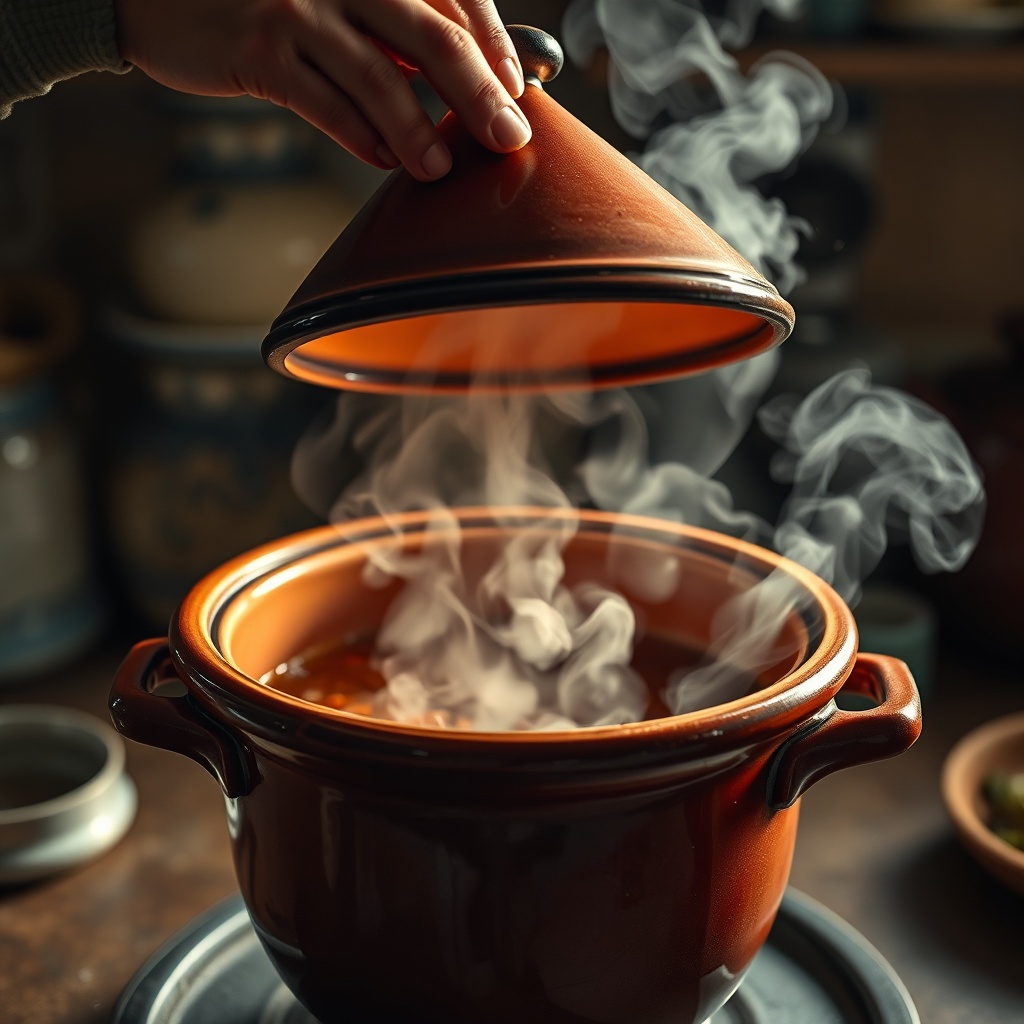
*Cinematic shot emphasizing the steam cycle, the conical vessel, and the aromatic cooking process.*
The Flavor Foundation: Aromatics and Spices
The flavor profile of an authentic dish is built on a precise ratio of spices. In 2026 culinary standards, a balanced tagine typically utilizes a heavy hand of TAYEB Ground Ginger 170g – Premium Organic Ginger Powder for Baking, Tea, Smoothies & Asian Cooking and turmeric, balanced by the warmth of cinnamon.
To manage salt levels without making the dish unpalatable, Moroccan chefs use **preserved lemons** and olives. These ingredients provide a concentrated burst of acidity and salt that infuses the sauce during the long simmering process, rather than relying solely on table salt.
Slow Cooking vs. Rapid Stewing
Temperature control is the most critical factor for tenderizing tough proteins like lamb or beef. Rapid stewing at high heat can cause the muscle fibers to tighten and push out moisture, resulting in dry meat even if there is plenty of sauce.
Slow cooking allows the connective tissues, specifically collagen, to break down into gelatin. This process creates a rich, silky sauce that clings to the meat and vegetables, a hallmark of high-quality **authentic moroccan tagine recipes**.
**Quick Answer:** To ensure authenticity, always use a conical vessel and prioritize low, steady heat. Avoid high-heat methods that lead to scorched bottoms and unevenly cooked proteins. The goal is to create a self-basting environment that relies on steam rather than excess water.
Master the Spice Palette: The Soul of Moroccan Cuisine
The soul of North African cooking lies in the complexity of its spice blends. Mastering these flavors requires understanding how individual spices interact to create a cohesive, layered taste.
Deconstructing Ras el Hanout
TAYEB Ras El Hanout 150g – Authentic Moroccan Spice Blend for Tagines, Couscous, Grilled Meats & Stews is perhaps the most famous Moroccan spice blend, often containing over a dozen different ingredients. A high-quality blend typically includes cardamom, clove, nutmeg, and black pepper, but its true complexity comes from the addition of rosebuds or lavender in some regions.
To balance the sweet and savory notes, you should use the blend sparingly at first. The goal is to provide a deep, aromatic backbone to the dish without letting the heavy clove or nutmeg notes overpower the natural flavors of the meat and vegetables.
The Golden Standard: Saffron and Turmeric
For a vibrant color and an unmistakable aroma, high-grade **saffron** threads are non-negotiable. You should always bloom your saffron in a small amount of warm water or broth before adding it to the tagine to ensure the color is distributed evenly throughout the sauce.
While saffron provides the luxury and aroma, turmeric provides the earthy undertones. Using TAYEB Ground Turmeric 150g – Premium Moroccan Turmeric Powder for Golden Milk, Curry, Rice & Anti-Inflammatory Cooking allows you to achieve that iconic golden hue without the overwhelming bitterness that can occur if you use too much of the spice.
**Definition:** **Ras el Hanout** is a complex Moroccan spice blend that translates to "head of the shop," signifying it is the finest spice blend a merchant has to offer.
Essential Protein and Vegetable Combinations
The versatility of the tagine allows for endless variations, but certain combinations remain the gold standard in Moroccan households.
The Meat-Centric Classics
One of the most celebrated dishes is **Lamb Tagine** with prunes and toasted almonds. This recipe is a masterclass in the "sweet and savory" concept. The richness of the lamb is cut by the sweetness of the dried fruit, while the toasted almonds provide a necessary textural crunch.
For a lighter, citrus-forward alternative, the **Chicken Tagine** with preserved lemons and Aicha Extra Virgin Olive Oil 1L – Premium Moroccan Cold-Pressed EVOO for Cooking & Salads products is a staple. This dish relies on the brine of the olives and the fermented tang of the lemons to create a bright, savory sauce that pairs perfectly with fluffy **couscous**.
Vegetarian and Seafood Interpretations
Vegetarian options are equally common, such as the Seven-Vegetable Tagine. To prevent mushiness, you must layer the ingredients by density. Start with hard root vegetables like carrots and turnips at the bottom, and add softer items like zucchini or bell peppers toward the top layers.
For seafood lovers, the Moroccan Fish Tagine (M'qualli) is a spectacular choice. This version utilizes seasonal white fish, such as sea bass or red snapper, layered with bell peppers, tomatoes, and a heavy dose of cumin and paprika.
**Quick Answer:** When making a vegetable tagine, always layer your ingredients by cooking time. Place dense root vegetables at the base and delicate vegetables on top to ensure everything reaches perfect tenderness simultaneously without turning to mush.
Step-by-Step: The Professional Tagine Technique
Executing professional-grade results requires attention to the preparation of the vessel and the order of ingredient placement.
Preparing Your Vessel
If you are using a new clay tagine, you must perform the ritual of seasoning. This involves soaking the vessel in water for 24 hours, followed by coating the interior with a layer of vegetable oil and heating it gently in the oven. This process seals the pores of the clay and prevents cracking during future use.
When you begin cooking, remember that clay retains heat exceptionally well. Start with a gentle sear for your proteins to develop flavor, but immediately lower the temperature to maintain a steady simmer.
Layering for Maximum Flavor
The "Pyramid Method" is the most effective way to ensure even steaming. Arrange your meat at the very bottom, surrounded by aromatics like onions and garlic. Build the vegetables upward in a conical shape, mirroring the shape of the lid.
This arrangement ensures that the juices from the meat and the steam from the vegetables circulate throughout the entire vessel. To prevent the bottom layer from burning, ensure there is a sufficient base of onions or a small amount of liquid to act as a buffer.
The Resting Phase
The final, and perhaps most important, step is the resting phase. Once the heat is turned off, do not open the lid immediately. Let the tagine sit, covered, for at least 10 minutes.
This resting period allows the moisture to redistribute throughout the ingredients. It ensures that the meat is fully saturated with juices and that the sauce reaches its most concentrated consistency.
**Definition:** **The Pyramid Method** is a layering technique where ingredients are stacked in a cone shape to optimize the steam-cycle within a conical tagine vessel.
Conclusion
Mastering **authentic moroccan tagine recipes** is a journey into a culinary tradition that prizes patience and precision. By respecting the unique physics of the clay vessel and the complexity of the spice palette, you can transform simple ingredients into extraordinary meals.
While tradition provides the foundation, do not be afraid to experiment with different proteins or seasonal vegetables. The tagine is a living tradition that evolves with every cook.
What is your favorite way to prepare a Moroccan feast? Share your favorite tagine creation and your unique spice tips with us in the comments below!
FAQ: Mastering Authentic Moroccan Tagines
**Can I make a tagine in a standard Dutch oven?** While you can make a stew in a Dutch oven, it will not be a true tagine. The lack of a conical lid means you will rely more on liquid and higher heat, which results in a different texture and less concentrated flavors compared to the self-basting method.
**How do I prevent my tagine from drying out?** Avoid using high heat, which causes liquid to evaporate too quickly. Use a minimal amount of liquid—usually just enough to prevent sticking during the initial stages—and rely on the vessel's natural steam-cycle for moisture.
**What is the difference between a tagine and a stew?** A stew is typically cooked in a deep pot with significant liquid. A tagine is a slow-cooked dish cooked in a specialized conical vessel that uses steam condensation to braise ingredients in their own juices with very little added liquid.
**How long should I cook meat in a clay tagine?** Timing depends on the cut. Chicken typically requires 45 to 60 minutes of simmering, while tougher cuts like lamb shanks may require 2 to 3 hours of very low heat to achieve the desired tenderness.
Conclusion
Mastering the art of the tagine requires more than just following instructions; it demands an appreciation for the slow, transformative power of Moroccan cooking. By utilizing the Pyramid Method and allowing for a proper resting phase, you unlock a depth of flavor that standard stews simply cannot match. Whether you stick to time-honored traditions or add your own modern twist, the process remains a rewarding culinary adventure. Now that you understand these essential techniques, it is time to bring the vibrant flavors of North Africa into your own kitchen. Gather your spices, prepare your clay vessel, and try one of these **authentic moroccan tagine recipes** for your next family dinner. Don't forget to share your culinary creations and photos in the comments below—we would love to see how your dishes turn out!
FAQ
**Why is the resting phase crucial for a tagine?** The resting phase allows moisture to redistribute throughout the ingredients. By letting the tagine sit covered for at least 10 minutes after cooking, the meat becomes fully saturated with juices and the sauce reaches its most concentrated consistency.
**Can I substitute a clay tagine with a Dutch oven?** While you can cook a similar stew in a Dutch oven, it will not be a true tagine. A Dutch oven lacks the conical lid required for the self-basting steam cycle, meaning you must use more liquid and higher heat, which alters the texture and flavor.
**What is the Pyramid Method?** The Pyramid Method is a specific layering technique where meat is placed at the bottom and vegetables are stacked upward in a conical shape. This arrangement mirrors the lid and optimizes the steam circulation within the vessel for even cooking.
**How do I prevent the bottom of my tagine from burning?** Ensure you have a sufficient base of onions or a small amount of liquid at the bottom to act as a buffer. It is also vital to start with high heat briefly to develop flavor, then immediately lower the temperature to maintain a steady simmer.