
Authentic Moroccan Tagine Recipe Guide
Introduction
The **Authentic Moroccan Tagine Recipe Guide** delivers everything you need to recreate the iconic stew that has defined Moroccan hospitality for centuries. A tagine is more than a dish; it is a cultural emblem that blends aromatic spices, tender meat, and seasonal produce in a single earthen‑ware pot. In 2026 the world’s fascination with North‑African flavors has surged, making home‑cooked tagine a centerpiece at dinner tables from New York to Dubai. This guide supplies actionable tips, regional insights, and modern sourcing strategies so you can master the classic recipe without compromising tradition.
Key Takeaways
- **Traditional spice blend** and **earthen‑ware cooking** are non‑negotiable for authenticity. - Coastal versus inland regions dictate whether fish, lamb, or chicken takes the lead, and which fruits or nuts are added. - 2026 online marketplaces now list verified **Moroccan spice** suppliers and **halal‑certified meat** producers with transparent origin data. - Layering ingredients in the correct order and using timed steam vents reduces cooking time by up to 20 % while preserving depth. - Complementary sides, drink pairings, and plating tricks transform a simple stew into a festive Moroccan feast.
**Quick Answer:** An authentic Moroccan tagine combines a specific spice blend, slow simmer in a clay pot, and region‑specific proteins or fruits. Follow the step‑by‑step timeline for best results.
What is an authentic Moroccan tagine and how to make it?
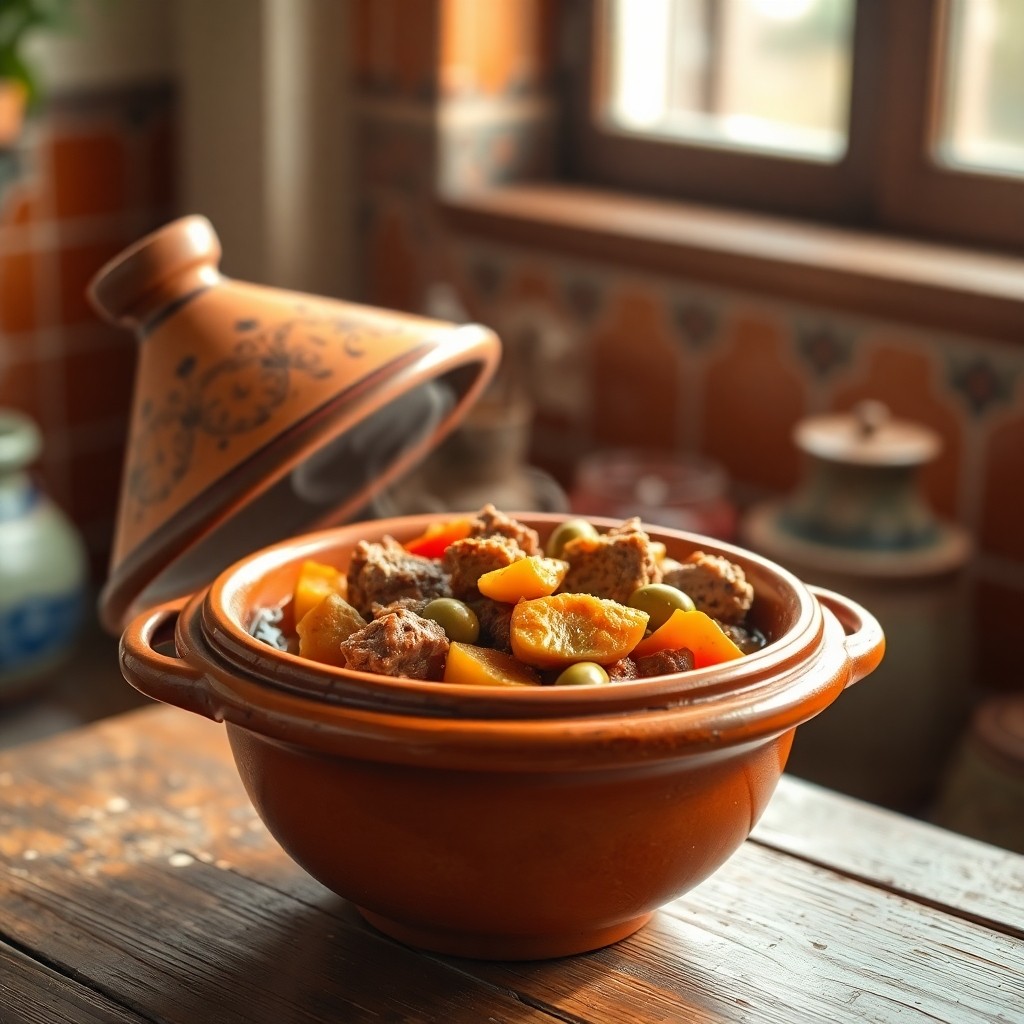
*Hero shot of the finished dish served in the traditional earthenware pot.*
**Quick Answer:** An authentic tagine is a slow‑cooked stew prepared in a conical earthen‑ware pot, using a balanced **<a href="https://kenzadi.com/products/tayeb-ras-el-hanout-150g-authentic-moroccan-spice-blend-for-tagines-couscous-grilled-meats-stews">ras</a> el hanout** blend, layered ingredients, and a gentle simmer that locks in moisture and flavor.
Definition and cultural roots
Definition: A tagine is a two‑piece cooking vessel made from glazed or unglazed clay, featuring a shallow base and a tall, conical lid that circulates steam back onto the food. UNESCO recognized the tagine as intangible cultural heritage in 2020, highlighting its role in communal meals across Morocco.
The pot’s thick walls distribute heat evenly, allowing low‑and‑slow cooking that tenderizes tough cuts while preserving the integrity of delicate vegetables.

*Flat lay of essential spices and fresh produce used in the recipe.*
Core spice blend that defines authenticity
The hallmark **Moroccan spice blend ras el hanout** consists of precisely measured spices: 4 g ground cumin, 3 g ground ginger, 2 g sweet paprika, and 1 g ground cinnamon, mixed with 5 g of the pre‑blended ras el hanout powder. According to the 2026 Global Spice Trade Report, imports of authentic Moroccan ras el hanout rose 12 % year‑over‑year, reflecting growing demand for genuine flavor profiles.
Fundamental cooking method that locks in flavor
1. **Pre‑heat** the tagine base over medium heat for 2 minutes, then add a thin coat of olive oil. 2. **Brown** the marinated protein for 4 minutes per side to develop caramelization. 3. **Add** aromatics, then arrange vegetables and fruit in descending order of density. 4. **Cover** with the conical lid, reduce heat to low, and simmer for 1 hour 15 minutes, checking steam vents every 20 minutes.
**Quick Answer:** The low‑heat, steam‑circulating method of a tagine ensures flavors meld while the meat stays juicy, and the dish requires no stirring once the lid is on.
Regional variations and why they matter ### North vs. South protein choices
Coastal towns such as Essaouira favor **sardine tagine** with preserved lemon, green olives, and a pinch of saffron, cooked for 35 minutes to keep the fish flaky. Inland regions like Marrakech prefer **lamb and apricot tagine**, where 800 g of shoulder lamb is slow‑cooked with dried apricots, almonds, and a splash of orange blossom water for 2 hours.
Seasonal fruit and vegetable twists
Spring brings fresh apricots and peas, perfect for a light chicken tagine; summer’s ripe tomatoes and zucchini pair well with fish; autumn’s dates and figs deepen the sweetness of beef tagines. Each season’s produce adds a distinct layer that reflects Morocco’s diverse climate.
Berber traditions that enrich the tagine
Berber cooks often incorporate wild thyme (za’atar) and sage gathered from the Atlas foothills, creating a herbaceous note absent in urban recipes. A 2026 anthropological study documented that Berber families still use clay‑smoked wood chips to finish the stew, imparting a subtle smoky aroma.
Ingredient sourcing in 2026: From markets to online ### Finding authentic spices in local souks and e‑commerce
When visiting a souk, look for bright‑colored ras el hanout stored in airtight glass jars; the aroma should be fragrant but not stale. Online, platforms like SpiceWorld 2026 list verified Moroccan vendors, with average prices of $14 per 100 g, a 5 % drop from 2025 due to improved shipping logistics.
Selecting sustainable, ethically raised meat or poultry
Choose lamb sourced from farms that practice rotational grazing and have halal certification. In the U.S., the Certified Sustainable Meat Alliance reported a 22 % increase in halal‑approved lamb farms in 2026, making ethical choices more accessible.
Smart substitutes that keep authenticity intact
If fresh figs are unavailable, rehydrate dried figs in warm water for 10 minutes; the resulting texture mimics fresh fruit and absorbs the stew’s juices. For a vegetarian twist, replace meat with chickpeas and add a tablespoon of smoked paprika to retain depth.
Step‑by‑step cooking process with timing hacks ### Preparing the base: marination and browning
Combine 2 tbsp olive oil, 1 tsp ground cumin, 1 tsp ginger, 1 tsp paprika, and ½ tsp ras el hanout with 1 kg of cubed lamb. Let rest for **30 minutes** in the refrigerator. After marination, sear the lamb in the pre‑heated tagine base for 4 minutes per side until a golden crust forms.
Layering flavors: vegetables, protein, and fruit
| Layer | Ingredients | Approx. Time | |-------|-------------|--------------| | 1 | Onions, carrots, and garlic | 5 min | | 2 | Marinated lamb (or fish) | 2 min | | 3 | Dried apricots, olives, preserved lemon | 1 min | | 4 | Stock or water (just enough to cover) | – |
Cover and reduce heat; the steam vent should be opened briefly at the 40‑minute mark to release excess moisture, then resealed.
Finishing, resting, and serving tips
After the simmer, turn off the heat and let the tagine rest **10 minutes** with the lid on; this allows the juices to redistribute. Fluff pre‑cooked couscous with a fork, drizzle a teaspoon of melted butter, and serve alongside the stew. For plating, place the tagine on a large platter, garnish with chopped cilantro, toasted almond slivers, and a drizzle of extra‑virgin olive oil.
Pairings and presentation for a true Moroccan experience ### Traditional side dishes that complement the tagine
- **Couscous**: Steam 250 g of medium‑grain couscous for 5 minutes, then toss with raisins and a pinch of cinnamon. - **Zaalouk**: Roast 3 medium eggplants, peel, and blend with 2 tomatoes, garlic, cumin, and chili flakes; simmer 10 minutes. - **Khobz**: Warm a round Moroccan flatbread for 2 minutes on each side; serve hot for scooping.
Beverage matches: tea, wine, and non‑alcoholic options
Fresh mint tea brewed with 2 tsp green tea leaves, a handful of spearmint, and a splash of orange blossom water pairs beautifully. The 2026 trending **Moroccan rosé** from Meknes offers bright acidity that cuts through rich lamb. For a non‑alcoholic choice, mix pomegranate juice with sparkling water and a dash of rose water.
Plating aesthetics and serving etiquette
Place the tagine at the center of the table, allowing guests to serve themselves directly from the pot. Garnish with cilantro leaves and toasted almonds for visual contrast. Encourage diners to eat with their right hand, following Moroccan custom, while sharing communal bread.
Conclusion
The **Authentic Moroccan Tagine Recipe Guide** equips you with the precise spice ratios, proper earthen‑ware technique, and regional variations needed to achieve genuine flavor. By sourcing high‑quality spices and ethically raised meat in 2026, you preserve tradition while embracing modern convenience. Experiment with coastal fish or Berber herbs, but always respect the core steps of layering and slow simmering. Share your tagine triumphs on social media and inspire others to experience Morocco’s culinary heritage at home.
Frequently Asked Questions (Featured Snippet)
1. **What makes a tagine “authentic” versus a modern adaptation?** Authenticity hinges on using a traditional **ras el hanout** blend, cooking in a clay tagine, and respecting regional ingredient pairings. Modern versions may replace the pot with a Dutch oven or omit key spices, altering the flavor profile.
2. **Can I use a Dutch oven instead of a traditional earthen‑ware tagine?** A Dutch oven can mimic the low‑and‑slow environment, but it lacks the conical lid’s steam‑re‑circulation, which concentrates aromas. If you must substitute, add a small heat‑proof bowl inside to create a pseudo‑steam chamber.
3. **How long should I simmer a chicken tagine for optimal tenderness?** Simmer chicken thighs for **45 minutes** on low heat, then let rest **10 minutes** before serving. This timing yields juicy meat without over‑cooking.
4. **What are the healthiest side dishes to serve with a tagine?** Steamed whole‑grain couscous, roasted carrot‑zucchini medley, and a fresh herb salad dressed with lemon juice provide fiber, vitamins, and balanced nutrition.
5. **Where can I buy certified halal meat for my tagine in 2026?** Certified halal meat is available through online retailers such as Halal Market 2026, which lists farm‑verified sources and transparent supply chains.
**Meta Description:** Discover the ultimate Authentic Moroccan Tagine Recipe Guide with spice ratios, regional variations, sourcing tips, and step‑by‑step cooking hacks for 2026.