
Ultimate Authentic Moroccan Tagine Recipe
An authentic Moroccan tagine recipe represents the pinnacle of slow-cooked comfort food, defined by the unique conical earthenware pot that gives the dish its name and distinctive flavor profile. This traditional North African dish has experienced a massive resurgence in 2026 global food trends, moving beyond restaurant menus into home kitchens where chefs value the complex interplay of sweet and savory notes. The magic lies in the vessel's design, which circulates steam to keep meat incredibly tender while infusing it with the deep aroma of spices like saffron, cinnamon, and ginger. Unlike a standard stew, a tagine is a communal experience, meant to be shared directly from the pot, emphasizing hospitality and the social bonds formed over a meal that has simmered for hours.
Key Takeaways
* The conical earthenware pot is essential for circulating steam and keeping meat tender without excess liquid. * Authentic flavor relies on specific spices like ras el hanout and preserved lemons rather than generic curry powders. * Slow cooking over low heat is non-negotiable for the correct texture and flavor melding. * Layering ingredients ensures even cooking and depth of flavor.
The Anatomy of an Authentic Moroccan Tagine Recipe
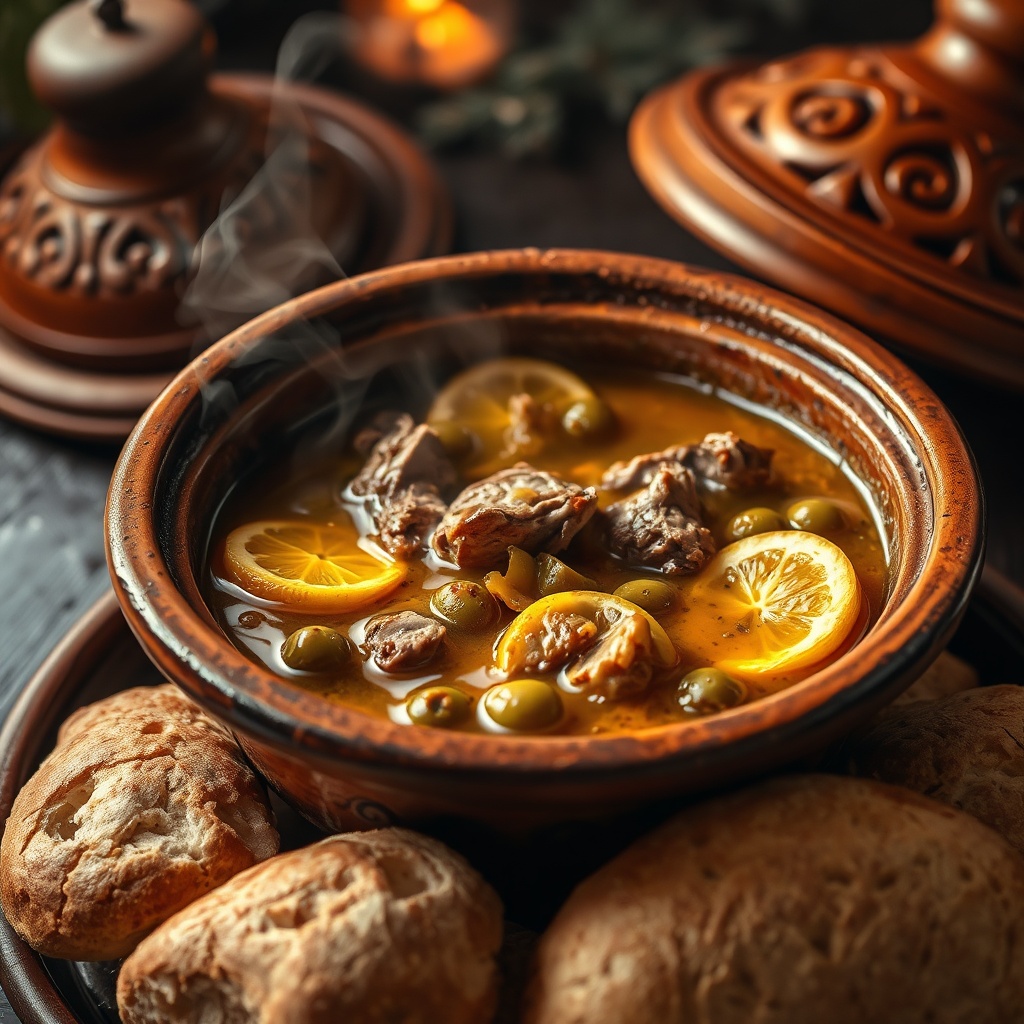
*A warm, appetizing shot of the finished dish highlighting the communal serving style.*
Understanding the physical mechanics of the pot is crucial before you begin cooking an **authentic Moroccan tagine recipe**. The vessel is not merely a cooking dish; it is a sophisticated tool designed to maximize moisture retention and flavor concentration using minimal water. The success of the dish relies heavily on the physics of the clay, which creates a self-basting environment that metal pots simply cannot replicate without significant modification.
In 2026, culinary experts have returned to these traditional methods, recognizing that the material of the pot imparts a subtle earthiness to the food. Whether you use an unglazed clay model, which is porous and requires seasoning, or a modern glazed version popular in contemporary kitchens for ease of cleaning, the thermal properties remain superior. The thick base absorbs heat slowly and distributes it evenly, eliminating the hot spots that cause meat to stick or sauces to scorch. This gentle heat diffusion is the foundation of the braising technique used in Moroccan cuisine.
The Conical Lid and Steam Circulation
The tall, cone-shaped lid serves a specific mechanical function. As the stew simmers, steam rises from the base. The unique shape of the lid forces this steam upward until it hits the cool, peaked interior. There, the moisture condenses and drips back onto the ingredients, rather than evaporating into the kitchen air. This continuous cycle ensures that the meat stays moist and tender throughout the cooking process, requiring very little added fat or liquid.
**Quick Answer:** The conical lid acts as a self-basting mechanism. It traps rising steam, condenses it on the cool inner surface, and returns the moisture evenly to the ingredients below, keeping the dish succulent.
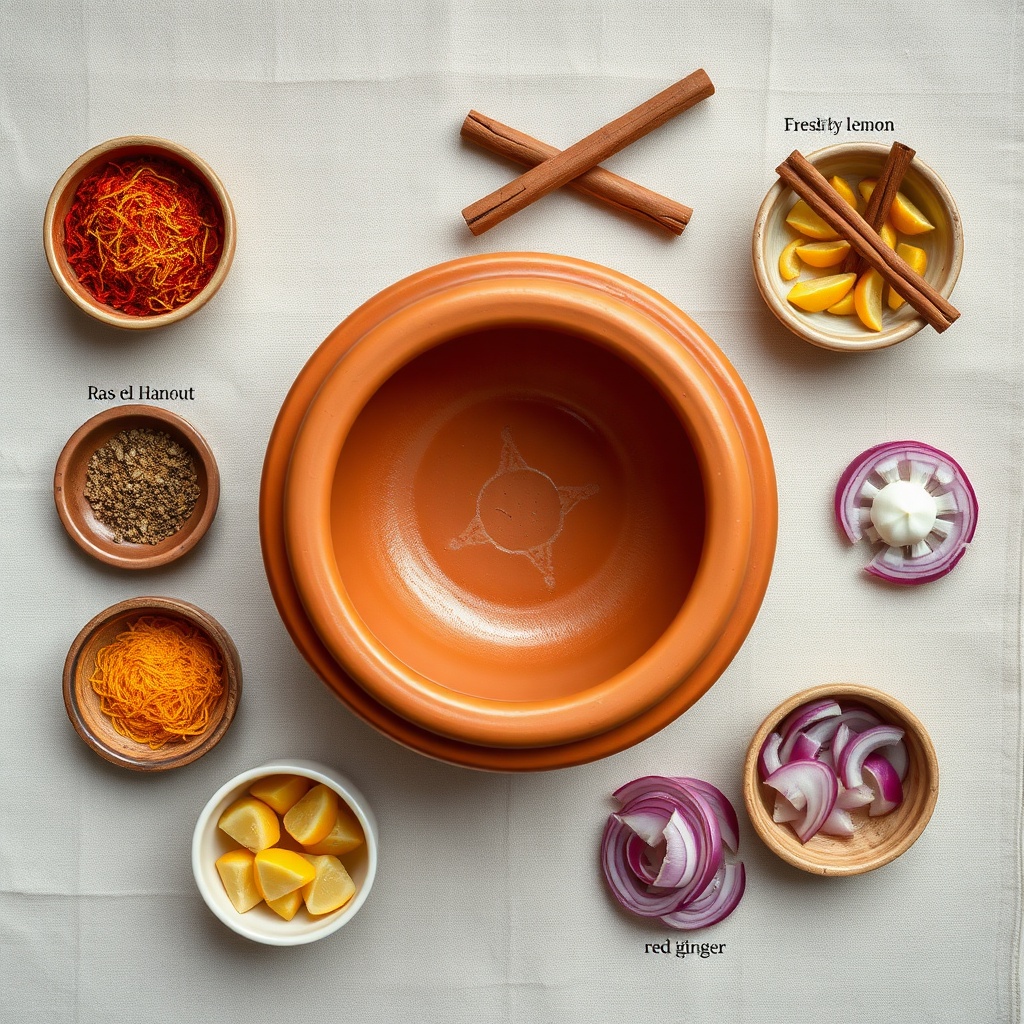
*A detailed view of the raw spices and cooking vessel required to make the dish.*
The Earthenware Base and Heat Distribution
The heavy clay base serves as a thermal battery. Once heated, it retains temperature consistently, allowing for the long, slow simmer required to break down tough connective tissues in meat. Traditional unglazed pots are favored by purists for the way they season over time, much like a cast iron skillet. However, glazed options have become standard in 2026 households because they are resistant to acidic ingredients like tomatoes and lemons, which can penetrate unglazed clay and affect flavor.
**Definition:** > **Braising Technique:** A combination-cooking method that uses both wet and dry heats; typically, the food is first seared at a high temperature and then finished in a covered pot at a lower temperature while cooking in liquid.
Recipe Card
- 2 lbs lamb shoulder, cut into 2‑inch cubes - 1 lb chicken thighs, bone‑in, skin removed - 3 medium onions, thinly sliced - 4 cloves garlic, minced - 2 carrots, peeled and sliced into ½‑inch rounds - 2 turnips, peeled and cubed - 3 medium potatoes, cubed - 1 cup dried apricots, halved - ½ cup raisins - 1 preserved lemon, rind sliced thin, pulp removed - 10 green olives, pitted - 3 Tbsp argan oil or olive oil - 1 Tbsp butter (optional)
**Spice Blend (Ras el Hanout)**
- 1 tsp ground cumin - 1 tsp ground coriander - 1 tsp ground ginger - 1 tsp ground turmeric - 1 tsp ground cinnamon - 1 tsp paprika - Pinch of Moroccan saffron threads, steeped in 2 Tbsp warm water
- 1 cup vegetable or chicken stock - 1 Tbsp honey (optional) - Salt and pepper to taste - Juice of ½ fresh lemon
1. **Season the meat:** In a bowl, combine lamb, chicken, cumin, coriander, ginger, turmeric, cinnamon, paprika, salt, and pepper. Toss until evenly coated. 2. **Sauté aromatics:** Heat the tagine or a Dutch oven over medium heat. Add argan oil and butter, then sauté onions, garlic, and the saffron infusion until onions soften. 3. **Brown the meat:** Add the seasoned meat to the pot and sear on all sides until golden brown. 4. **Add vegetables:** Arrange carrots, turnips, and potatoes around the meat, pressing gently to create a loose bed. 5. **Introduce liquids and preserved lemon:** Pour in stock, add sliced preserved lemon, and drizzle remaining oil over the top. 6. **Cover and simmer:** Reduce heat to low, cover with the conical lid or a tight-fitting lid, and let the tagine simmer for 2 hours. 7. **Add dried fruits:** During the last hour of cooking, stir in apricots and raisins. 8. **Final reduction:** Remove the lid for the last 15 minutes to allow excess moisture to evaporate, thickening the sauce into a glaze. 9. **Finish:** Stir in honey if desired, adjust seasoning with salt, pepper, and fresh lemon juice.
**Serving** Serve directly from the tagine with crusty Moroccan khobz or a semolina bread. Use right‑hand bread to scoop meat and sauce, honoring traditional etiquette.
Essential Spices and The Flavor Profile
The distinct taste of Morocco comes from a specific balance of spices that moves far beyond simple heat. An **authentic Moroccan tagine recipe** relies on a warm, aromatic palette rather than the chili‑heavy profiles found in other North African cuisines. The complexity is achieved through the use of a **ras el hanout spice blend**, a mixture that can contain over a dozen different spices, translating to "head of the shop" or "best of the market."
In 2026, home cooks are moving away from pre‑ground powders in favor of toasting whole spices and grinding them fresh. This practice releases volatile oils that provide a vibrant punch of flavor unavailable in store‑bought jars. The interplay between these warm spices and the salty, tangy elements of preserved ingredients creates a dish that is multi‑dimensional, satisfying the palate with layers of sweet, sour, salty, and savory sensations.
Building the Spice Foundation
Creating the foundation requires specific non‑negotiable spices. Cumin provides a nutty, earthy base, while coriander adds a citrus‑like brightness. Ginger adds a sharp heat that cuts through the richness of the meat, and turmeric lends a golden hue and subtle bitterness. Cinnamon is often used in meat tagines to bridge the gap between savory and sweet. **Moroccan saffron**, the world's most expensive spice, is frequently used in poultry or lamb tagines; it imparts a floral hay‑like taste and a distinct yellow color that is the hallmark of a high‑quality dish.
**Quick Answer:** Essential spices include cumin, coriander, ginger, turmeric, cinnamon, and paprika. For luxury and authenticity, always add a pinch of Moroccan saffron threads steeped in warm water.
The Role of Preserved Lemons and Olives
The brightness of the dish comes from **preserved lemons**, which are lemons that have been cured in salt for weeks until the rind becomes soft and edible. The saltiness draws out the internal moisture, altering the chemical structure of the fruit. The rind loses its bitter pith and gains an intense, fermented citrus aroma that cuts through the richness of lamb or chicken. Similarly, **green olives** provide a briny counterpoint. The saltiness from both ingredients balances the natural sweetness of caramelized onions and any dried fruits added to the mix, ensuring the sauce never becomes cloying.
The Art of Layering Ingredients
Approaching the assembly of a tagine as a structural engineering task is the secret to perfect texture. You cannot simply throw all ingredients into the pot at once. An **authentic Moroccan tagine recipe** demands a specific order of operations to ensure that root vegetables cook through without falling apart, and that meat renders its fat effectively to braise the softer components. This layering technique dictates the speed of moisture release and the overall construction of the final flavor profile.
When preparing your **traditional clay tagine pot**, think vertically. The bottom layer creates the cooking medium, the middle layer provides the substance, and the top layer receives the direct steam heat. This method ensures that ingredients that take longer to break down are closer to the heat source, while delicate items are steamed gently from above.
The Bed of Aromatics and Vegetables
The very bottom of the pot should be lined with a thick bed of onions, sliced thinly or in rings, along with garlic and fresh herbs like cilantro or parsley. This layer serves a dual purpose: it elevates the meat above the direct heat source, preventing sticking, and it breaks down to form a thick, flavorful stock base. As the onions cook, they release moisture that mixes with the **argan oil** or olive oil to create the sauce. Drizzle a generous amount of oil over this bed to start the frying process before the lid goes on.
Positioning Meat and Fruit for Optimal Rendering
**Slow‑cooked lamb** shoulder or chicken thighs should be placed directly on top of the onion bed. The meat should be seasoned aggressively with the spice rub. Nestle root vegetables like carrots, turnips, or potatoes around the meat. These act as a rack, keeping the meat from resting on the very bottom. Dried fruits such as apricots, prunes, or raisins should not be added until the final hour of cooking. If added too soon, they will disintegrate completely and turn the sauce into a jam. Adding them later allows them to plump up and retain their texture, providing bursts of sweetness.
Mastering the Cooking Process
The heat source is often the most misunderstood aspect of preparing this dish. In **North African cuisine**, the tagine is traditionally cooked over charcoal embers, which provide a diffuse, low heat. In a modern 2026 kitchen, achieving this requires specific adaptations. You must resist the urge to turn the stove up to high. A rapid boil is the enemy of a good tagine; it tightens meat fibers and evaporates the essential moisture needed for the sauce to emulsify.
Whether you are using a gas stove, an electric burner, or an oven, the goal is a gentle simmer. If using a gas flame, you must use a heat diffuser—a metal plate that sits between the burner and the tagine—to disperse the heat and prevent the clay from cracking. This tool is indispensable for protecting the earthenware and maintaining the low temperature required for the long cook time.
Simmering Versus Boiling
You must identify the visual cues of a proper simmer. You should see small bubbles breaking the surface occasionally, perhaps a gentle bubble here and there, but never a rolling boil. The liquid should be moving lazily. If the sauce is boiling, the meat will toughen, and the vegetables on the bottom may burn. This low‑and‑slow philosophy allows the collagen in the meat to dissolve into gelatin, giving the sauce a rich, velvety body that coats the spoon.
The Final Reduction and Sauce Consistency
The last 15 to 20 minutes of cooking are critical for texture adjustment. Remove the lid to allow the excess moisture to evaporate. This reduction step concentrates the flavors that have been developing over hours. The sauce should thicken into a glaze that coats the meat and vegetables heavily. If the sauce is too thin, let it reduce with the lid off; if it looks too dry, add a splash of water. This is also the time to correct the seasoning, adding a pinch of salt or a squeeze of fresh lemon juice to brighten the deep, cooked flavors.
Serving and Presentation Traditions
The presentation of the dish is almost as important as the cooking process. In Morocco, the tagine is placed in the center of the table, and the dining ritual is a communal act. The vessel is not just a cooking tool; it is the serving platter. Removing the lid at the table releases a cloud of aromatic steam that signals the start of the meal. This ritual emphasizes the connection between the food, the cook, and the guests.
It is important to note the specific etiquette involved. The tagine is not plated individually in the traditional setting. Everyone eats from the single vessel, which fosters a sense of community and shared experience. This method of dining requires a specific approach to the accompaniments and table manners.
Communal Dining Etiquette
Traditionally, diners eat using only the right hand, using pieces of bread to scoop up the meat and sauce. The bread acts as both utensil and food. You should eat from the section of the pot directly in front of you, respecting the communal boundary of other diners. This practice is a reflection of Moroccan hospitality and the social importance of breaking bread together. It slows down the eating process, allowing for conversation and enjoyment of the complex flavors.
Selecting the Right Accompaniments
The only acceptable accompaniment for scooping up the sauce is crusty bread. Moroccan **khobz**, a dense, round wheat bread, or a semolina bread is ideal because the crumb is sturdy enough to hold the sauce without falling apart. A common misconception is serving tagine over couscous. In a traditional meal, **couscous serving** is a separate course, usually reserved for Fridays or special occasions, and is not mixed with the tagine. The starch in the bread is sufficient to balance the rich protein of the meat.
Conclusion
Mastering an **authentic Moroccan tagine recipe** is a lesson in patience and precision. The reward for your time is a dish of incredible depth and tenderness that cannot be rushed. The interplay of the **ras el hanout spice blend**, the saltiness of **preserved lemons**, and the sweetness of dried fruit creates a complexity that defines the cuisine. By respecting the mechanics of the **traditional clay tagine pot** and following the layering techniques, you bring a taste of North Africa to your table. Source high‑quality spices and take your time with the process; the result is a culinary experience that embodies the warmth and richness of Moroccan hospitality.
Frequently Asked Questions
**Can I cook a tagine in a Dutch oven instead of a clay pot?**
Yes, a Dutch oven or heavy braising pot is an excellent substitute. Use the lowest heat setting possible and keep the lid slightly ajar to mimic the steam circulation of a conical tagine lid.
**What is the best meat cut for a beginner tagine?**
Lamb shoulder or chicken thighs with the bone‑in are ideal. The connective tissue in lamb shoulder breaks down beautifully during slow cooking, while bone‑in chicken provides essential gelatin to the sauce.
**How long does a traditional lamb tagine take to cook?**
Typically, a lamb tagine requires between 2.5 to 3 hours of slow simmering. The meat is ready when it forks apart effortlessly and has reached an internal temperature of 145°F according to 2026 food safety standards.
**Do I need to soak my tagine pot before use?**
If you are using a new unglazed clay tagine, you must soak it in water for at least 24 hours to strengthen the clay and prevent cracking during the initial heating process.
**Do I really need to soak a new tagine pot?**
Yes, if you are using an unglazed clay pot, you must soak it in water for at least 24 hours before the first use. This strengthens the clay and prevents it from cracking when exposed to heat.
**Why is couscous not served with the tagine?**
In traditional Moroccan dining, couscous is actually a separate course usually reserved for Fridays or special occasions. The tagine is strictly served with crusty bread, which acts as your utensil to scoop up the rich sauce.
**How do I know when the meat is perfectly cooked?**
The meat is done when it is tender enough to fall apart effortlessly with a fork. For lamb, this typically takes about 2.5 to 3 hours of slow cooking to break down the connective tissues properly.
**Do I need to soak a new tagine pot?**
Yes, if you are using an unglazed clay pot, you must soak it in water for at least 24 hours before the first use. This strengthens the clay and prevents it from cracking when exposed to heat.