
Authentic Moroccan Food: A Flavorful Journey
Introduction
This is authentic Moroccan cooking essentials: a flavorful journey through centuries of trade, migration, and ritual that no restaurant menu can fully capture. Moroccan cuisine is a rich and diverse reflection of the country's history, with influences from Africa, Arab, and Mediterranean cultures. The unique blend of spices, ingredients, and cooking techniques has created a distinct flavor profile that is both familiar and exotic.
The Spice Pantry
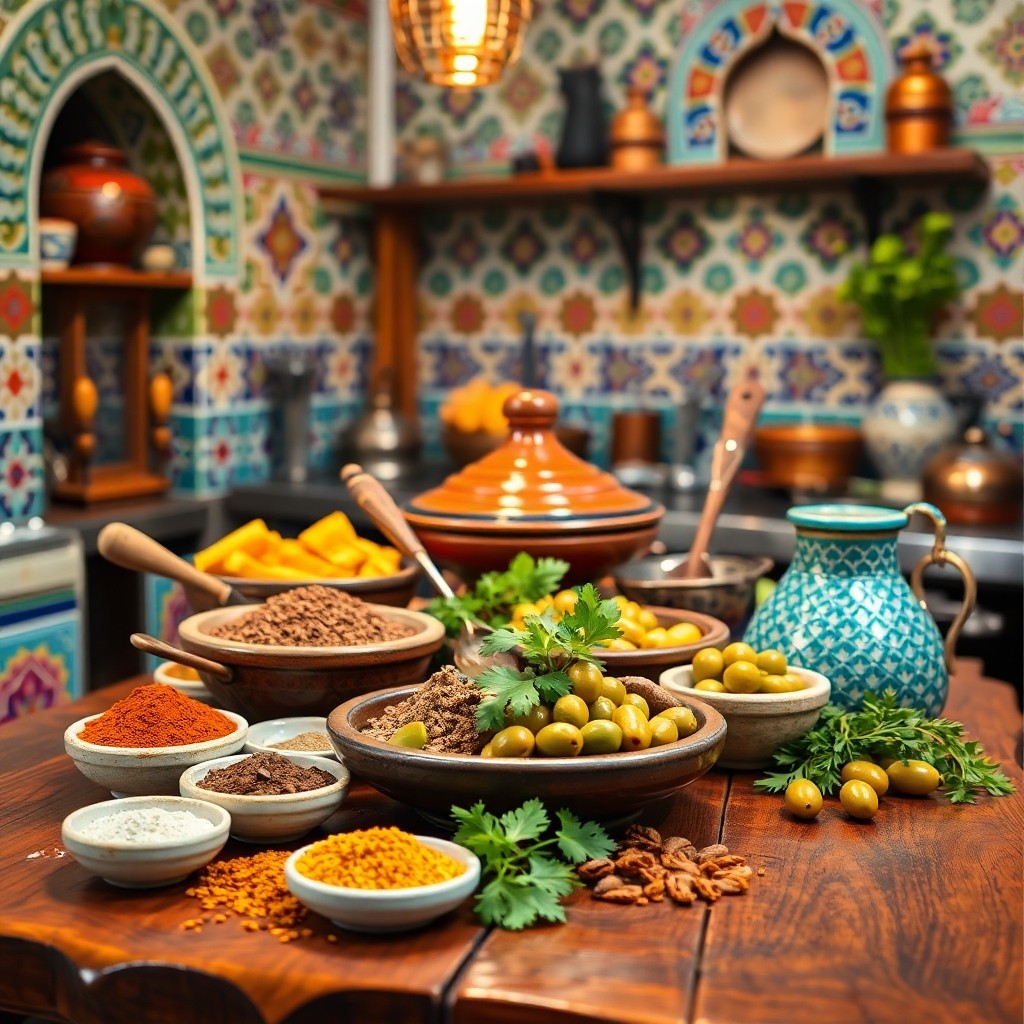
The spice blends that form the backbone of every Moroccan kitchen are a crucial component of the country's culinary identity. Ras el Hanout, which translates literally to 'head of the shop', is a signature blend that can include over 30 different spices, including cinnamon, ginger, and turmeric. The difference between a generic pre-ground blend and a freshly hand-ground authentic Moroccan Ras El Hanout is dramatic, with the latter offering a more complex and nuanced flavor profile.
The Culture and Rituals Behind Moroccan Food
Moroccan cuisine rewards curiosity and patience — and it always, without exception, rewards those who share what they make with others. The culture and rituals surrounding food are an integral part of Moroccan identity, with mealtimes often serving as opportunities for social bonding and community building. The traditional Moroccan meal is a vibrant and colorful affair, with a variety of dishes served, including tagines, couscous, and pastilla.
Cooking Techniques and Ingredients
Moroccan cooking is known for its use of aromatic spices, fragrant herbs, and high-quality ingredients. The country's strategic location at the crossroads of Africa, Europe, and the Middle East has created a unique culinary landscape, with a wide range of ingredients available, including fresh seafood, meats, and produce. One of the most iconic Moroccan dishes is the tagine, a slow-cooked stew made with meat, vegetables, and dried fruits, typically cooked in a clay pot with a conical lid.
Conclusion
To start your own Moroccan culinary journey, you don't need to book a flight to Morocco. You can begin by investing in a few essential ingredients and cooking tools, such as a stainless steel couscoussier, a clay tagine, and a mortar and pestle for grinding your own spices. With these basics in place, you can start exploring the rich and diverse world of Moroccan cuisine, from the spicy flavors of Marrakech to the subtle nuances of Fez. Whether you're a seasoned chef or a curious beginner, Moroccan cooking is sure to delight and inspire, with its unique blend of flavors, techniques, and traditions.