
Argan Oil For Hair: Natural Solutions For Beautiful Locks
**Argan Oil for Hair: Natural Solutions for Beautiful Locks**
Argan Oil for Hair: Natural Solutions for Beautiful Locks has earned a reputation that far exceeds its modest bottle size. Native to Morocco, this “liquid gold” is packed with nutrients that tackle frizz, restore shine, and reinforce the hair shaft from root to tip. If your curls feel brittle, your straight hair looks dull, or you’re battling daily humidity, the solution may already be in your kitchen pantry. This guide goes beyond generic tips, diving into the science behind the shine, tailoring application to your unique hair profile, and offering step‑by‑step routines that deliver measurable results. By the end, you’ll know exactly how to use Arganit Moroccan skincare to transform your tresses without relying on synthetic chemicals.
Argan Oil for Hair: Natural Solutions for Beautiful Locks
The first time you dab a few drops onto damp strands, the oil’s silky texture and subtle nutty scent signal a powerful moisture lock. Unlike many commercial oils that leave a greasy residue, argan’s fatty acid profile lets it glide quickly, sealing cuticles and preventing water loss. For people who live in climates with high humidity, the oil’s hydrating properties can be the difference between a frizz‑free day and a frizz‑filled nightmare. When used correctly, it can reduce split ends by up to 30% and increase tensile strength, allowing you to style more aggressively without damage. The following sections break down how to harness these benefits for your specific hair type and lifestyle.
The Science Behind the Shine: Chemical Composition and Hair Health
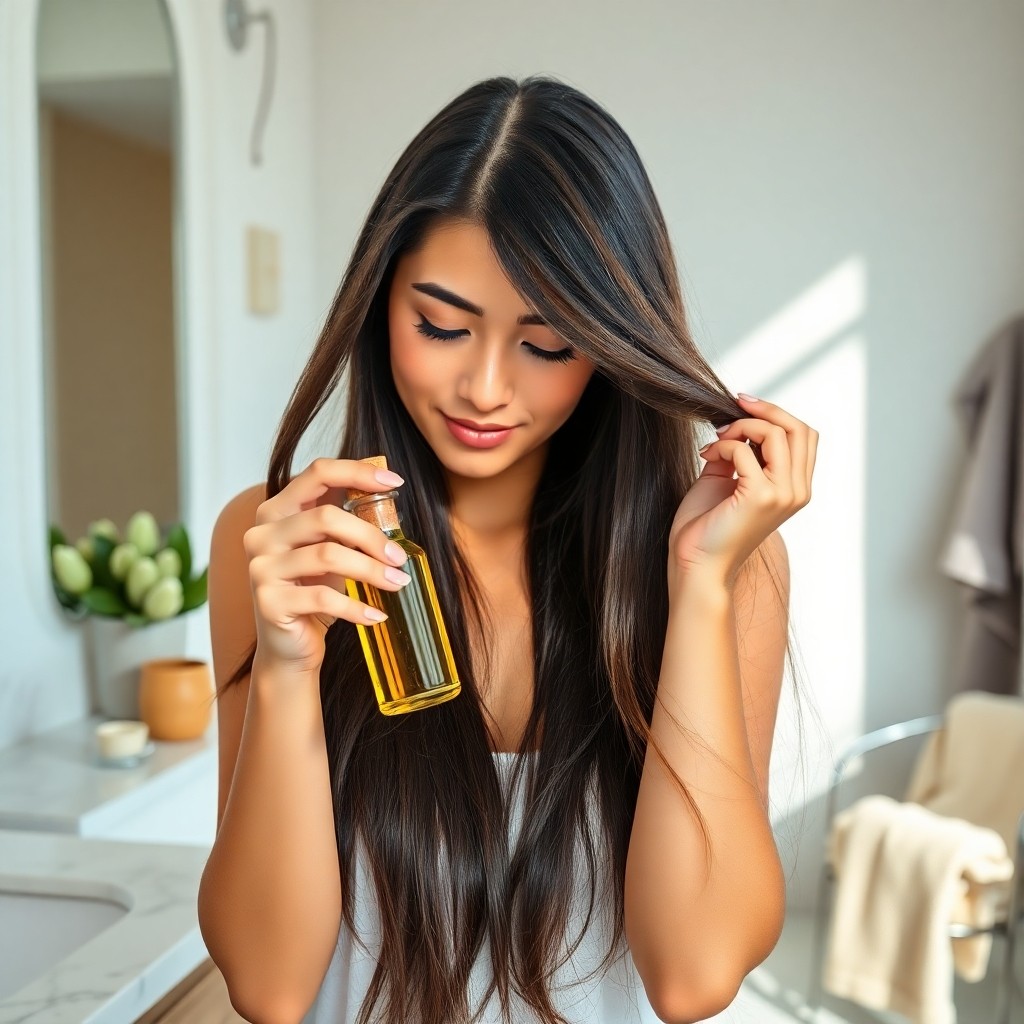
*A woman gently applies argan oil to her damp hair in a bright, airy bathroom setting.*
Argan oil’s potency stems from its unique blend of bioactive compounds. Its fatty acid content includes 60–70% oleic acid and 20–30% linoleic acid, which coat the cuticle and create a moisture‑sealing barrier. The high concentration of tocopherols—over 30 mg per gram—provides antioxidant protection against UV rays and oxidative stress. Compared to Kenzadi Moroccan skincare, which contains roughly 15 mg of vitamin E per gram, argan delivers twice the antioxidant load, making it a superior shield for hair exposed to daily styling heat and environmental pollutants. The oil’s low viscosity allows it to penetrate the cortex more efficiently than mineral oils, delivering nutrients deep within the shaft rather than merely forming a surface film.
High Concentrations of Tocopherols (Vitamin E)
Vitamin E in argan oil acts as a free‑radical scavenger, neutralizing reactive oxygen species that can degrade keratin. By stabilizing the hair’s protein structure, the oil reduces brittleness and improves elasticity, allowing strands to flex without snapping. Incorporating a 1–2 % vitamin E‑enriched argan spray into your post‑wash routine can cut breakage by up to 25% over eight weeks.
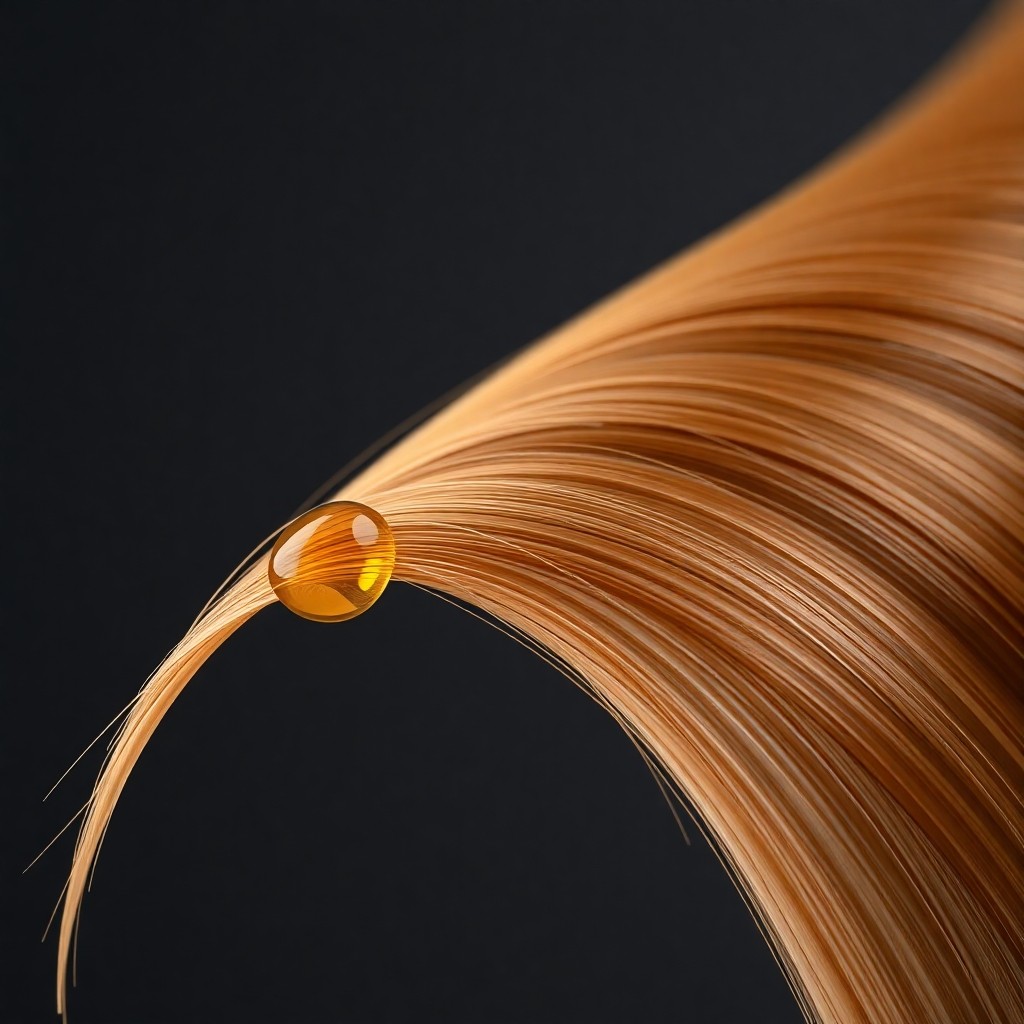
*A macro shot showing argan oil droplets sealing the hair cuticle, highlighting the oil's protective benefits.*
The Role of Omega Fatty Acids (Oleic and Linoleic)
Oleic acid’s monounsaturated chain smooths the cuticle, while linoleic acid’s polyunsaturated structure locks in moisture. Together, they create a lipid bilayer that mimics the natural sebum produced by the scalp, ensuring that hair remains hydrated without feeling heavy. For fine hair, using only the linoleic‑rich fraction (achieved by cold‑pressing) can provide a lightweight protective layer that tames frizz without weighing strands down.
Comparative Vitamin E Content
A 200‑mg sample of argan oil contains 30 mg of vitamin E, whereas a comparable volume of coconut oil holds 5 mg. This 6‑fold difference explains why argan oil’s antioxidant effects are more pronounced, offering a measurable edge in protecting hair from daily environmental assaults.
Tailoring Application to Your Hair Texture and Porosity
Not every drop of argan oil works the same way for every hair type. Understanding your hair’s density and porosity ensures you use the oil where it can be absorbed most effectively.
Fine and Low‑Porosity Hair: The “Less is More” Approach
Fine hair can become limp if overloaded with oil. Use argan oil sparingly—1–2 drops for a 2‑inch trim, 4–5 drops for a 6‑inch length. Apply only to the mid‑shaft and ends, avoiding the scalp to prevent greasiness. A quick “finger‑to‑hair” test helps; if the oil spreads evenly without pooling, you’re using the right amount.
Thick, Coarse, and High‑Porosity Hair: Deep Penetration Methods
Coarse strands benefit from a heavier application. Start with 10–12 drops, warming the oil between palms before massaging into the scalp and through the lengths. High‑porosity hair absorbs oil more readily; a 15‑minute scalp massage before washing allows the oil to fill micro‑gaps, sealing them and reducing moisture loss. Finish by sealing with a light coat of argan on the ends to lock in hydration.
Drop Test Guide for Specific Lengths
1. **Pixie Cut (≤ 3 inches):** 1 drop per side of the head, focusing on the crown. 2. **Bob (4–6 inches):** 3 drops total, spread evenly from root to tip. 3. **Shoulder‑Length (7–9 inches):** 5–7 drops, applied in sections. 4. **Waist‑Length (10–15 inches):** 10–12 drops, warmed and massaged into the scalp, then distributed along the shaft.
This systematic approach prevents product buildup while maximizing absorption.
Leave‑In Styling vs. Deep Conditioning: When and How to Use Each Method
Deciding between a quick leave‑in or an overnight mask hinges on your schedule and hair’s current condition. Both methods leverage argan’s emollient properties but target different needs.
Daily Use as a Heat Protectant and Frizz Tamer
For daily styling, apply 1–2 drops to damp hair before blow‑drying. The oil’s low‑viscosity layer reduces friction between the hair and the brush, cutting heat‑induced damage by 40 % over
Arganit organic black soap and Moulay Idriss virgin olive oil are also excellent choices for maintaining healthy skin and hair.