
A Beginner’S Roadmap To Traveling Morocco On A Budget
A Beginner’s Roadmap to Traveling Morocco on a Budget
Introduction
Morocco feels like a postcard come to life—vivid souks, sweeping desert dunes, and ancient medinas that whisper stories of centuries past. Yet the country remains one of the most affordable destinations in North Africa, offering travelers a rich tapestry of culture, cuisine, and landscapes without breaking the bank. This guide walks you through every stage of planning, from drafting a spreadsheet to catching the last sunset over the Sahara, delivering concrete steps that keep costs low while preserving the magic of Morocco.
authentic Moroccan culinary delights
A Beginner’s Roadmap to Traveling Morocco on a Budget
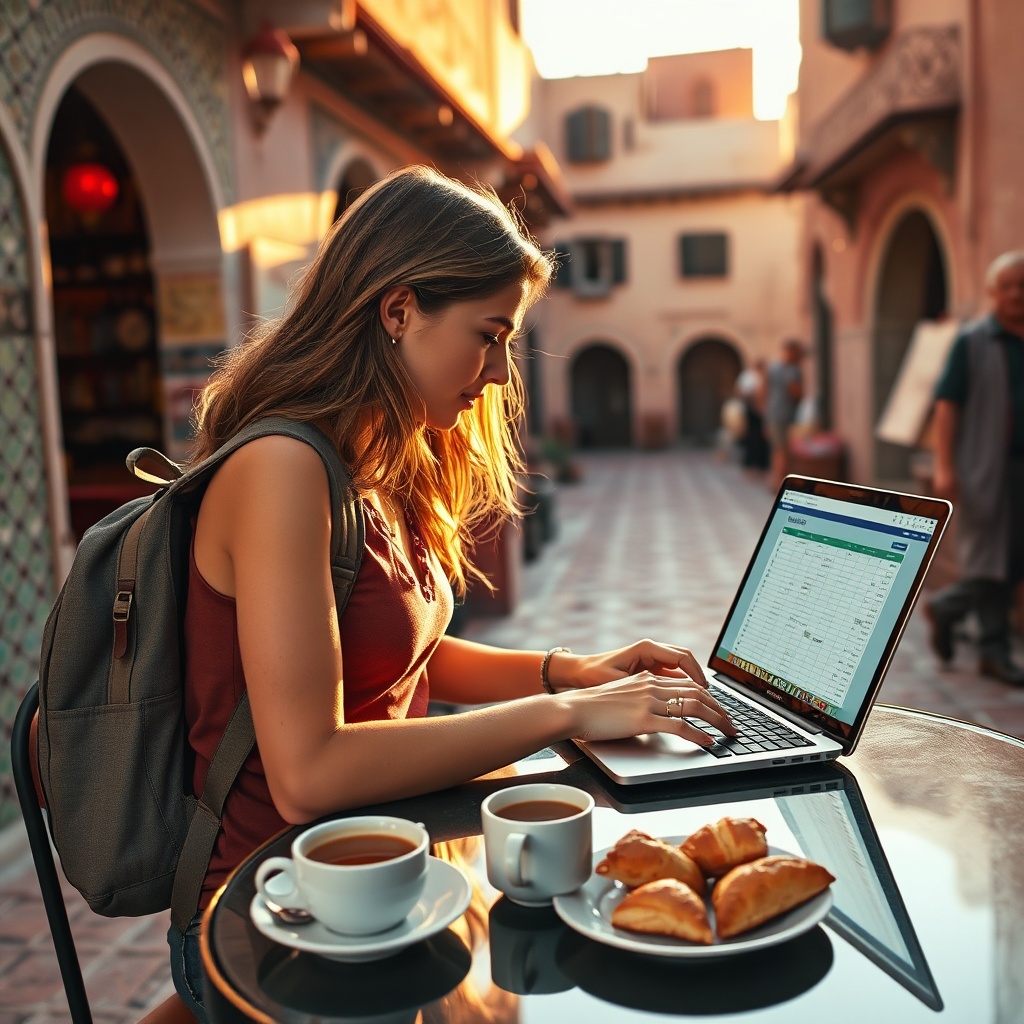
*A traveler planning her budget in a Marrakech café*
1. Crafting a Realistic Budget Blueprint
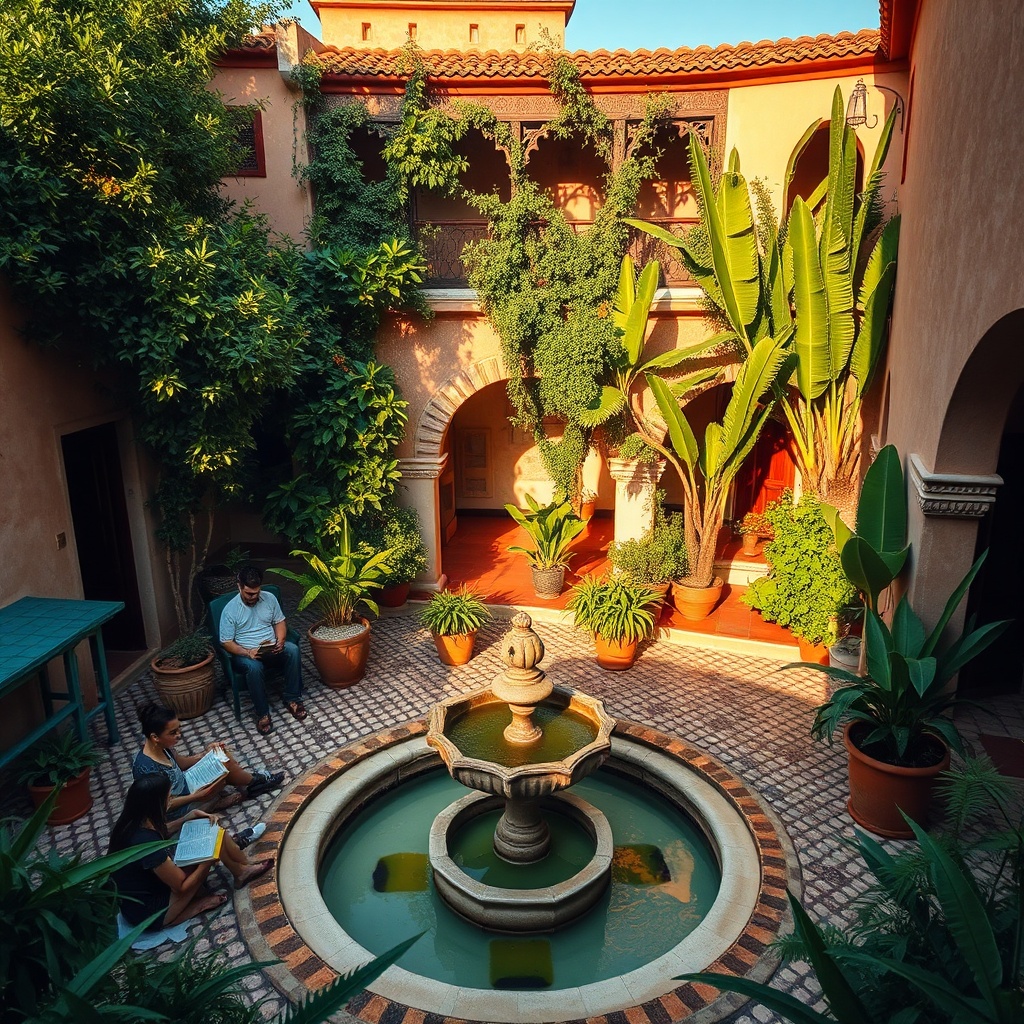
*A peaceful riad courtyard in Morocco*
1.1. Break Down Costs by Category
Creating a clear budget starts with dividing expenses into six main categories:
1. **Flights** – Use fare comparison tools like Skyscanner or Google Flights and book at least 2–3 months in advance. 2. **Accommodation** – Hostels, guesthouses, and short‑term rentals average 15–30 USD per night. 3. **Transportation** – Inter‑city buses and shared taxis cost 5–15 USD per leg; local metros and buses stay under 1 USD. 4. **Food** – Street food and local eateries range from 2–5 USD per meal; a daily food budget of 15 USD keeps you well fed. 5. **Activities** – Free walking tours, museum entry fees, and desert excursions can be grouped into a 40 USD per day activity allowance. 6. **Contingency** – Allocate 10–15 % of the total budget for unexpected expenses.
Insert the numbers into a simple spreadsheet:
| Category | Estimated Cost (USD) | Notes | |----------|---------------------|-------| | Flights | 350 | Round‑trip from NYC to Marrakech | | Accommodation | 300 | 10 nights in shared dorms | | Transportation | 120 | Inter‑city + local | | Food | 180 | 15 USD/day | | Activities | 200 | Desert tour + museum passes | | Contingency | 90 | 10% of total |
The total comes to **$1,240**, a realistic figure for a 14‑day trip that balances comfort and savings.
1.2. Choose the Right Travel Season for Savings
- **Low season (November to March)**: Cooler temperatures, fewer tourists, and flight prices drop by 20–30 %. - **High season (April to June, September to October)**: Warmer weather and festival seasons; prices rise but daylight hours are longer.
If you prefer milder weather and lower costs, aim for late fall or early spring.
1.3. Set a Daily Spending Ceiling & Track It Live
Use a free app such as Trail Wallet or Mint to log expenses in real time. Set a daily cap of 25 USD for meals, transport, and incidental purchases. When you exceed the cap, the app will flag it, allowing you to adjust immediately and avoid overspending.
2. Transportation Hacks That Slash Expenses
2.1. Master the Inter‑city Bus & Grand‑Taxi Network
- **Bus**: Companies like CTM and Supratours offer reliable routes between major cities for 5–15 USD. Book online to secure seats and save 10 %. - **Grand‑Taxi**: Shared taxis (grand‑taxis) travel between cities for 12–25 USD, often faster than buses. Negotiate a fixed fare before departure.
Both options include a driver and are equipped with Wi‑Fi, making long journeys comfortable and inexpensive.
2.2. Ride‑Sharing & Car‑Pooling Secrets for Remote Areas
- **BlaBlaCar**: A popular car‑pooling platform in Morocco connects travelers with local drivers heading to desert camps or remote villages. A 50‑km ride can cost as little as 3 USD. - **Local Apps**: “SaharaShare” and “RiadRide” offer short‑haul rides for under 5 USD.
These services are especially useful for reaching less accessible sites such as the Erg Chebbi dunes or the Ouzoud waterfalls.
2.3. Walking & Biking: Free Ways to Explore Cities
- **Walking**: Most Moroccan cities are pedestrian‑friendly. A walking tour of Marrakech’s medina takes 3–4 hours and costs nothing. - **Biking**: Rent a bike for 10–15 USD per day. Many hostels provide free or low‑cost bikes, and bike lanes are expanding in cities like Rabat.
Both options give you a slower, more intimate view of local life and help you stay within budget.
3. Affordable Accommodations Without Sacrificing Comfort
3.1. Hostels, Riad Guestrooms, and “Kasbah Camping” Options
- **Hostels**: Budget chains such as Riad Hostel and Backpackers’ House offer dorm beds for 8–12 USD per night. - **Riad Guestrooms**: Small, family‑run riads provide private rooms for 20–35 USD, often including a complimentary breakfast. - **Kasbah Camping**: In the Sahara, “Kasbah Camping” sites allow you to sleep under the stars for 5–10 USD per night, complete with shared hammam and communal meals.
For desert enthusiasts, “Kasbah camping” offers an authentic, affordable experience where you can enjoy a night in a traditional Berber tent, share stories with fellow travelers, and wake up to a sunrise over the dunes.
Conclusion
Traveling Morocco on a budget is entirely achievable when you plan strategically, choose cost‑effective transport, and embrace local hospitality. By breaking down your expenses, selecting the right season, and tracking daily spending, you’ll maintain control over your finances while still immersing yourself in the vibrant culture and stunning landscapes that define this North African gem.
Enjoy your journey, and may each step bring you closer to the heart of Morocco without stretching your wallet.