
10 Must‑Try Moroccan Dishes For First‑Time Visitors
Introduction
Travelers often discover a country through its sights, but the quickest passport to Morocco lands on the palate. The medinas hum with the scent of cumin, cinnamon, and fresh‑baked bread, while bustling souks showcase spices that have traveled centuries. First‑time visitors who follow the aromas will taste stories of Berber hospitality, Andalusian influence, and Atlantic breezes—all in a single bite. From slow‑cooked tagines that simmer for hours to street‑side pastries that melt in the mouth, Morocco’s cuisine offers a sensory map that guides you deeper into its culture. Exploring the **10 Must‑Try Moroccan Dishes for First‑Time Visitors** ensures you experience the country’s most iconic flavors before the journey ends. For a deeper dive into Moroccan cuisine and to explore the various ingredients and products used, visit the Kenzadi official online store.
1. “Taste the Tradition: Classic Tagine Dishes That Define Morocco”
Tagines are more than meals; they are clay‑pot time capsules that lock in moisture, spice, and history. Each variation reflects a region’s climate, available produce, and communal rituals.
1.1. Lamb & Prunes Tagine – Sweet‑Savory Balance
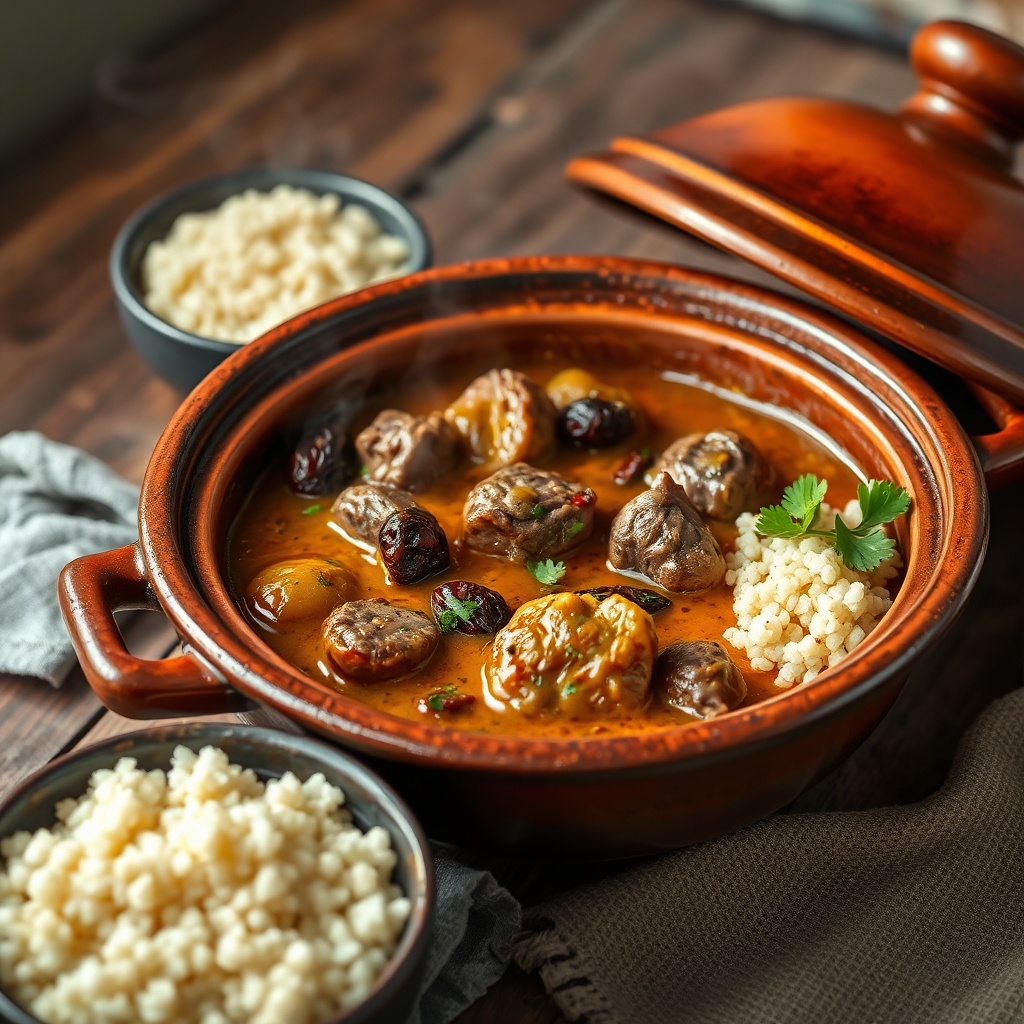
*A close‑up, photorealistic image of a classic Moroccan tagine featuring lamb, dried prunes, and saffron, served with couscous.*
Berber families traditionally serve lamb with dried prunes during celebrations because the fruit’s natural sugars soften the meat’s richness. To recreate the balance, sear 1.2 kg of cubed shoulder lamb in Aicha premium extra virgin olive oil, then deglaze with 250 ml of water. Add 150 g of halved prunes, a pinch of saffron threads, and 1 tsp of Tayeb Ras El Hanout spice blend. Simmer for 90 minutes, stirring occasionally, until the sauce thickens to a glossy glaze. Serve over couscous and garnish with toasted almond slivers for textural contrast.
1.2. Chicken with Preserved Lemon & Olives – The Citrus‑Olive Duo
Preserved lemons, fermented in salt for months, deliver a bright, fermented tang that cuts through the richness of olive oil and chicken thighs. Start by browning 8 chicken thigh pieces, then add 2 sliced onions, 4 cloves minced garlic, and 200 ml of chicken broth. Toss in 1 preserved lemon (rind only, sliced) and 120 g of green olives. Cook covered for 45 minutes, then finish uncovered for 10 minutes to concentrate the sauce. Sprinkle chopped cilantro before serving with warm flatbread to soak up the briny broth.
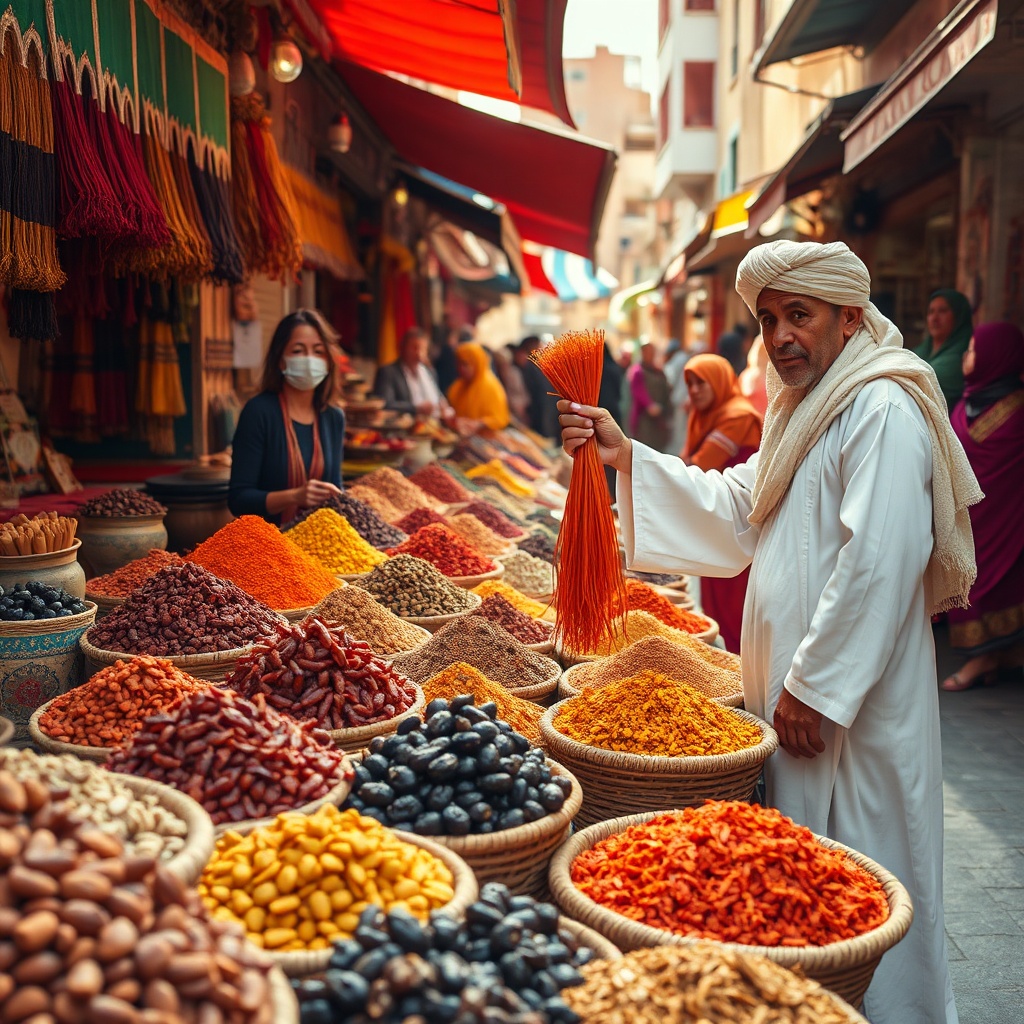
*An energetic, photorealistic image of a Moroccan souk showcasing saffron, dried prunes, and other spices.*
1.3. Vegetarian Root‑Vegetable Tagine – Plant‑Based Heritage
Root vegetables such as carrots, turnips, and parsnips have long anchored Moroccan vegetarian meals, especially during fasting periods. Roast 400 g of diced carrots, 300 g of cubed turnips, and 250 g of sliced parsnips with 2 tbsp of olive oil and ½ tsp of cumin for 20 minutes at 200 °C. Transfer to a tagine, add 200 ml of vegetable stock, 1 tbsp of honey, and a handful of chopped fresh mint. Simmer gently for 30 minutes until the vegetables are tender yet retain shape. Finish with a drizzle of toasted sesame oil for a nutty finish.
2. “Street‑Side Sensations: Moroccan Snacks You Can’t Miss”
Moroccan streets double as open‑air kitchens where vendors craft handheld delights that fuel explorers from sunrise to sunset.
2.1. Msemen (Layered Flatbread) – The Portable Pancake
Msemen’s flaky layers result from folding dough with melted butter and a dusting of semolina. Mix 500 g of fine flour with 10 g of salt, 10 g of instant yeast, and 300 ml of warm water. Knead until elastic, let rest for 30 minutes, then divide into 8 balls. Flatten each ball, brush with melted butter, sprinkle semolina, fold into a square, and roll out to a 15 cm circle. Cook on a hot griddle for 2 minutes per side until golden. Serve with honey or a dollop of goat cheese for a sweet‑savory twist.
2.2. B’stilla Bites – Miniature Sweet‑Savory Pies
Mini B’stilla condenses the royal pastry into bite‑size parcels that combine shredded pigeon (or chicken) with almonds, cinnamon, and powdered sugar. Sauté 300 g of shredded chicken with 1 tsp of ginger, ½ tsp of turmeric, and a splash of orange blossom water. Mix in 50 g toasted almond slivers, 1 tbsp of honey, and a pinch of cinnamon. Spoon the mixture onto 8 × 8 cm phyllo squares, fold into triangles, and brush with clarified butter. Bake at 180 °C for 12 minutes until crisp. Dust with powdered sugar just before serving.
2.3. Harira Soup in a Cup – Fast‑Fuel for the Explorer
Harira combines tomatoes, lentils, chickpeas, and fresh herbs, delivering protein and warmth in a portable cup. Saute 1 tsp of cumin, 1 tsp of paprika, and 2 cloves minced garlic in olive oil. Add 400 ml of tomato puree, 150 g cooked lentils, 100 g cooked chickpeas, and 500 ml of vegetable broth. Simmer for 20 minutes, then stir in a handful of chopped cilantro and a squeeze of lemon. Pour into disposable paper cups and enjoy while strolling through the souk.
3. “From the Sea: Coastal Dishes That Bring the Atlantic to Your Plate”
The Atlantic coastline supplies a bounty of fish and shellfish that Moroccan cooks elevate with bold marinades and communal cooking vessels.
3.1. Grilled Sardines with Chermoula – Oceanic Spice Burst
Chermoula—a blend of cilantro, parsley, garlic, cumin, and preserved lemon—acts as both marinade and sauce. Blend 30 g each of fresh cilantro and parsley, 2 cloves garlic, 1 tsp cumin, 1 tsp smoked paprika, 1 tbsp olive oil, and the zest of 1 preserved lemon. Coat 12 fresh sardines in the mixture and let rest for 15 minutes. Grill over medium heat for 4 minutes per side, turning once, until the skin crisps. Serve with lemon wedges and a side of charred pepper salad.
3.2. Seafood Pastilla – Luxury Meets Tradition
Seafood pastilla layers flaky warqa dough with a fragrant stuffing of shrimp, calamari, and spiced almonds. Sauté 200 g peeled shrimp and 150 g sliced calamari in 1 tbsp butter, add ½ tsp of ras el hanout, and a splash of white wine. Stir in 30 g toasted almond slivers, 1 tbsp of orange blossom water, and a pinch of saffron threads dissolved in warm water. Lay three warqa sheets in a baking dish, spoon the seafood mixture, then cover with three more sheets. Brush each layer with melted butter, bake at 190 °C for 25 minutes, and dust with powdered sugar and cinnamon before serving.
3.3. Tangia de Poisson (Fish Stew) – Slow‑Cooked Flavor Depth
Tangia, a clay pot buried in hot sand, infuses fish with earthy aromas. Prepare a tangia by placing 1 kg of firm white fish (such as cod) into a sealed earthenware pot with 2 sliced onions, 3 crushed garlic cloves, 1 tsp of cumin, 1 tsp of coriander, 200 ml of olive oil, and a handful of olives. Seal the pot and bury it in preheated sand at 180 °C for 3 hours. Retrieve, open carefully, and serve the broth with crusty bread to soak up the intense flavor.
4. “Sweet Endings: Desserts That Seal the Moroccan Experience”
Moroccan sweets balance fragrant spices with honey, nuts, and delicate dough, turning tea time into a ceremonial pause.
4.1. Chebakia – Ramadan’s Honey‑Glazed Spiral
Chebakia’s intricate shape is achieved by folding a dough of flour, sesame seeds, and orange blossom water into a flower‑like coil, then deep‑frying. Combine 250 g flour, 50 g ground sesame, 1 tsp baking powder, 2 tbsp orange blossom water, and enough warm water to form a soft dough. Roll thin, cut into strips, twist into spirals, and fry at 170 °C until golden. Soak the hot pastries in 200 ml of warm honey mixed with a pinch of cinnamon for 5 minutes. Drain on paper towels and sprinkle with sesame seeds.
4.2. Mint Tea & Sfenj – The Classic Duo
Sfenj, a doughnut‑like fried dough, pairs perfectly with freshly brewed Al Mohajer Moroccan green tea. To make sfenj, mix 500 g flour, 10 g instant yeast, 1 tsp sugar, and 300 ml lukewarm water into a sticky batter. Let rise for 1 hour, then drop spoonfuls into oil heated to 180 °C. Fry until puffed and golden, then dust with powdered sugar. Brew green tea with a handful of fresh mint leaves, a pinch of sugar, and a splash of orange blossom water. Serve the tea in small glasses alongside the warm sfenj for a ritual that encourages conversation.
4.3. Ghoriba (Almond Cookies) – Gluten‑Free Delight
Ghoriba’s crumbly texture comes from ground almonds, butter, and a hint of orange zest. Blend 200 g finely ground almonds, 100 g melted butter, 50 g powdered sugar, and the zest of one orange. Form the mixture into small balls, flatten gently, and chill for 20 minutes. Bake at 160 °C for 12 minutes until the edges turn lightly golden. Store in an airtight container; the cookies stay soft for a week, making them ideal for travel snacks.
5. “Where to Eat: The Best Cities & Neighborhoods for Authentic Flavors”
Finding the right venue can turn a good dish into an unforgettable memory. Each city offers neighborhoods where locals gather, ensuring authenticity over tourist gloss.
5.1. Marrakech Medina – The Epicenter of Tagine Mastery
Within the labyrinthine souks, the courtyard of **Riad Al Youssoufi** serves a lamb & prunes tagine cooked in a hand‑crafted clay pot, while the rooftop of **Le Jardin** offers a chicken with preserved lemon and olives paired with a view of the Koutoubia Mosque. For a vegetarian twist, the hidden stall near the spice market prepares a root‑vegetable tagine using locally sourced carrots from the Agdal gardens. Prices range from 120 MAD for a simple tagine to 250 MAD for a multi‑course tasting.
5.2. Chefchaouen’s Blue‑Lane Bistros – Vegetarian & Seafood Gems
The pastel streets of Chefchaouen host **Casa Al-Mounia**, where a vegetarian root‑vegetable tagine is infused with fresh rosemary from nearby Rif farms. **Le Petit Port** near the river specializes in grilled sardines with chermoula, sourced daily from the Atlantic coast. Both venues emphasize farm‑to‑table sourcing, with menu items changing seasonally. Expect a meal cost of 80‑150 MAD.
5.3. Essaouira’s Portside Eateries – Fresh Catch & Coastal Classics
At the bustling fish market, **La Table by Madada** prepares seafood pastilla using shrimp and squid delivered that morning. A short walk away, **Le Chalet** offers tangia de poisson cooked in a traditional underground oven, delivering smoky depth that only a seaside breeze can enhance. Dishes here range from 100 MAD for a simple sardine plate to 300 MAD for a full seafood feast.
Conclusion
Embarking on a culinary tour of Morocco means tasting history, geography, and hospitality in every bite. The **10 Must‑Try Moroccan Dishes for First‑Time Visitors**—from aromatic tagines and bustling street snacks to ocean‑kissed seafood and fragrant sweets—provide a roadmap that guides you through Marrakech’s spice‑laden alleys, Chefchaouen’s herb‑fresh kitchens, and Essaouira’s salty harbors. Use the city guide to pinpoint where each dish lives, then craft a food itinerary that matches your pace and palate. Your next adventure awaits; let Morocco’s flavors be the compass that leads you deeper into its soul. For more on Moroccan ingredients and to explore the rich culinary heritage, visit the Kenzadi official online store and discover the authentic taste of Morocco with products like Tayeb Ras El Hanout spice blend, Aicha premium extra virgin olive oil, and Al Mohajer Moroccan green tea.