
10 Authentic Moroccan Souvenirs To Buy In Marrakech
10 Authentic Moroccan Souvenirs to Buy in Marrakech
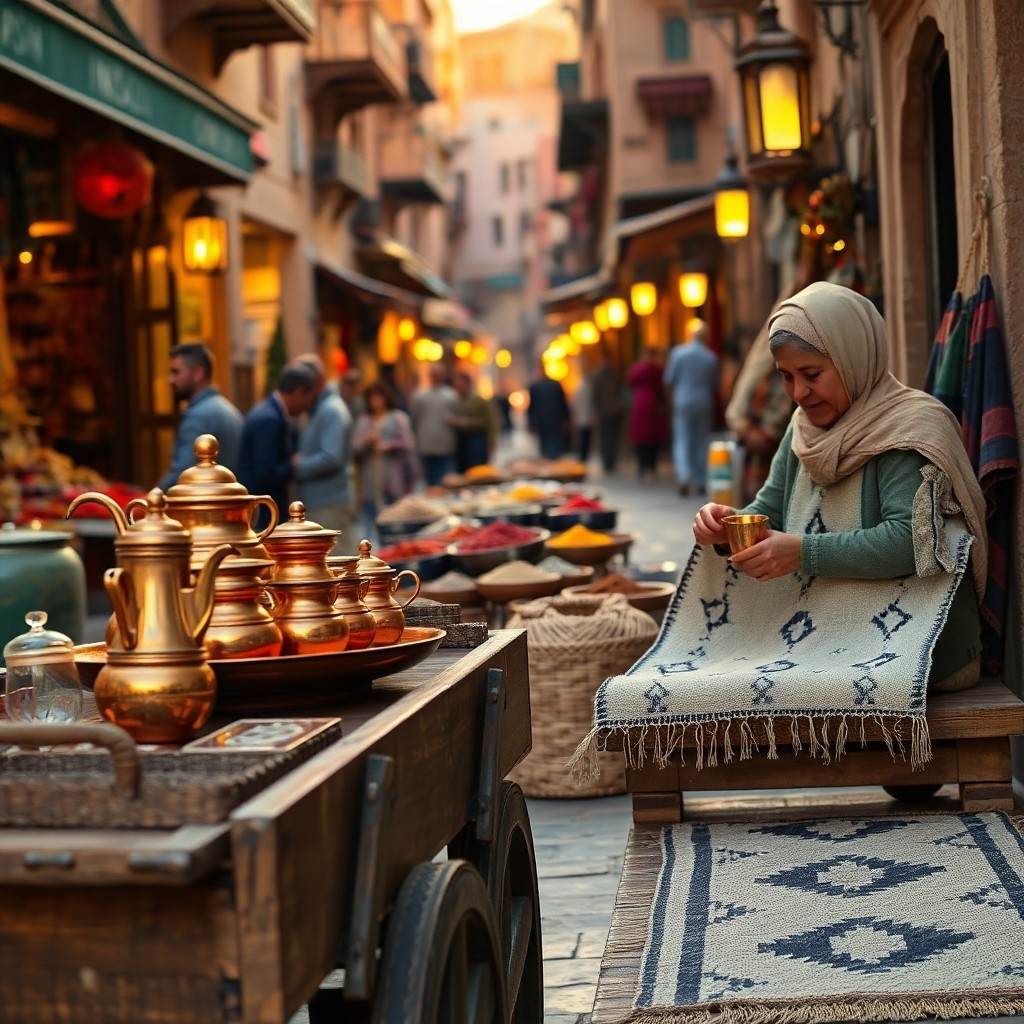
The narrow alleys of the Jemaa el‑Fna market pulse with the clang of metalwork, the scent of cumin, and the flash of hand‑woven colors. A cart loaded with copper tea sets rolls past a stall where a Berber woman knots a rug while humming an ancient lullaby. In that swirl of sound and scent, each object carries a piece of Morocco’s centuries‑old craftsmanship. Choosing a souvenir that truly reflects that heritage supports the families who keep the techniques alive and preserves the stories woven into every stitch, spice, and stone. This guide walks you through ten items, grouped into five themes, so you can leave the medina with gifts that speak louder than a postcard.
Artisan‑Made Textiles: The Story Behind the Weave
Berber Rugs – Patterns that Map the Atlas Mountains
A Beni Ourain rug typically measures 2 × 3 ft for 1,200 MAD and features a muted ivory field punctuated by geometric black motifs. The designs are not decorative; each diamond or zigzag corresponds to a specific tribe’s migration route across the High Atlas. When you run your hand over the pile, the uneven knot density reveals a hand‑crafted origin—machines produce perfectly uniform rows, which these rugs lack.
Hand‑Embroidered Kaftans – From Royal Courts to Modern Runways
Kaftans from Fez often incorporate silk thread dyed with indigo harvested from local plants, resulting in a deep midnight hue that fades gracefully after each wash. Prices range from 800 MAD for a simple cotton version to 3,500 MAD for a silk‑rich piece embroidered with silver filigree. Look for a stitched label on the inner seam; reputable makers include Maison de Marrakech and Atelier Ksar.
Verifying Authenticity – A Quick 3‑Step Checklist
1. Count the knots in a 2‑inch square; authentic hand‑woven rugs exceed 120 knots per inch. 2. Request the artisan’s name; many cooperatives display a small card with the maker’s signature. 3. Examine the dye—natural pigments leave subtle variations, whereas synthetic colors appear uniformly bright.
Spice Blends: From Market Stalls to Your Kitchen
*Shows the authentic market environment where travelers can discover handcrafted copper tea sets and traditional Berber rugs.*
<a href="https://kenzadi.com/products/tayeb-ras-el-hanout-150g-authentic-moroccan-spice-blend-for-tagines-couscous-grilled-meats-stews">Ras El‑Hanout</a> – The “Head of the Shop” Blend
A typical blend contains 27 ingredients: 15 % cumin, 12 % coriander, 10 % cinnamon, 8 % paprika, 5 % ginger, 4 % turmeric, 3 % cardamom, 2 % nutmeg, and the remainder a mix of rose petals, dried orange peel, and dried chilies. Vendors in the Souk Semmarine often grind the spices fresh in a stone mortar, releasing a cloud of aromatic steam that fills the stall.
Preserved Lemons & Argan Oil – Preserving the Essence of Tagine
Preserved lemons should sit in a jar of their own brine, with slices slightly softened but still firm to the bite. A 250 ml jar costs about 70 MAD. Certified argan oil from the Essaouira cooperative arrives in dark amber bottles to protect the oil from light; a 100 ml bottle typically sells for 250 MAD.
How to Test Freshness – Sensory & Visual Cues
First, inhale the aroma; a fresh Ras El‑Hanout should emit a layered scent of warm spice without any musty undertone. Second, check the color—vibrant orange‑red indicates recent roasting, while a dull brown suggests age. Finally, ask the seller for the production date; reputable stalls label each batch with the month and year.
Handcrafted Leather Goods: Ethical Sourcing in Marrakech
Babouche Slippers – Comfort Meets Craft
Traditional babouches are stitched from full‑grain goat leather, which ages to a deep patina after months of wear. An artisan in the Medina’s leather quarter tanned the hide using vegetable extracts from fig leaves, a process that takes three weeks. Prices start at 350 MAD for a basic pair and reach 1,200 MAD for hand‑embroidered versions featuring silver thread.
Leather Poufs & Poufs de Marrakech – Functional Décor
A standard pouf measures 45 cm in diameter, weighs 4 kg, and supports up to 120 kg when filled with recycled horsehair. The price spectrum spans 800 MAD for a plain sand‑colored piece to 2,200 MAD for a hand‑painted design depicting the city’s red walls.
Verifying Ethical Production – What to Ask the Vendor
1. Inquire about the hide source; ethical vendors reference local farms that practice humane slaughter. 2. Request details on the tanning method; vegetable‑tanned leather avoids chromium chemicals. 3. Look for certifications such as “Fair Trade Morocco” displayed on the stall.
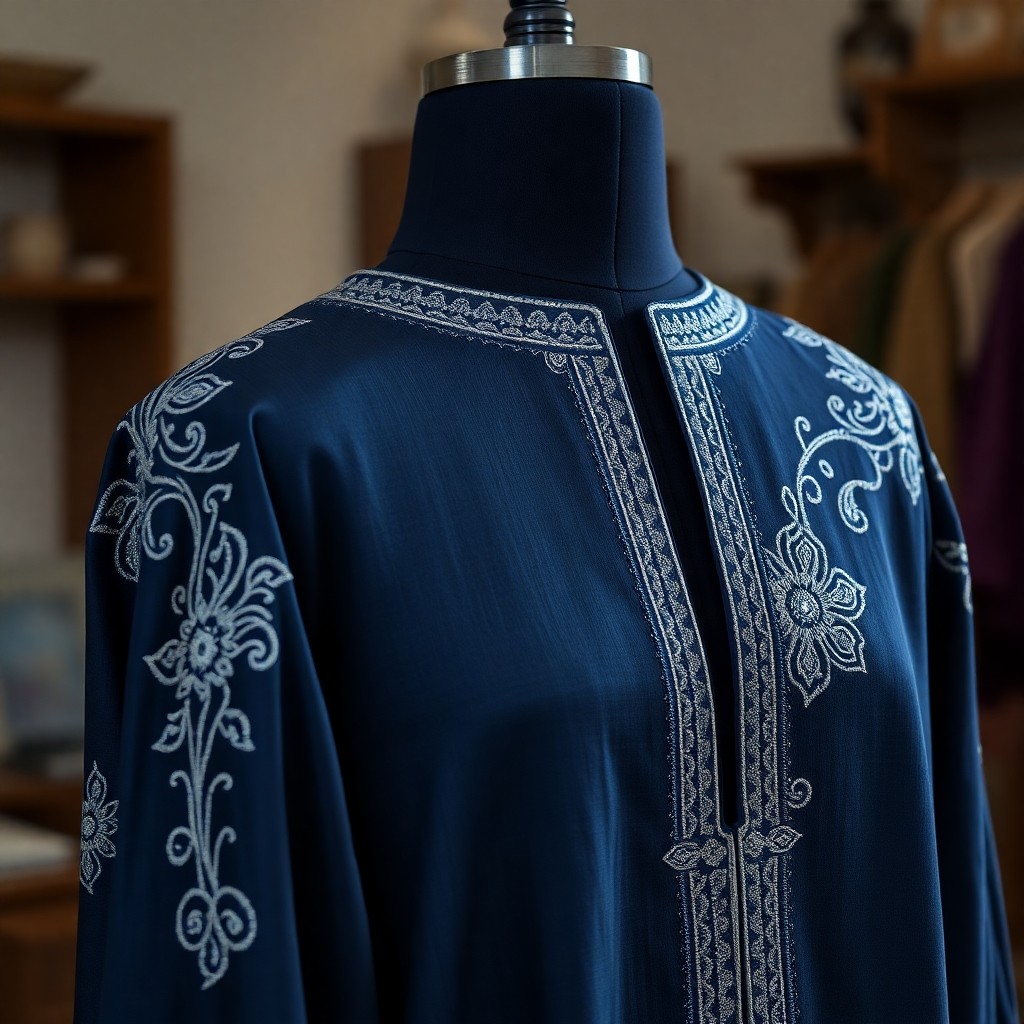
*Highlights the luxurious details and craftsmanship of Moroccan hand‑embroidered kaftans, emphasizing fabric, color, and silver thread work.*
Traditional Ceramics & Tiles: Symbolism & Technique
Tagine‑Shaped Ceramic Bowls – From Cooking Vessel to Tableware
A hand‑painted tagine bowl often features a Zellige pattern of interlocking stars, each tile measuring 2 cm across. The glaze is applied in a single dip, then fired at 1,200 °C for six hours, resulting in a glossy surface that resists chipping. A 30 cm bowl sells for roughly 600 MAD.
Hand‑Painted Plates & Tagines – Regional Color Palettes
Safi’s ceramics favor cobalt blue and turquoise, while Fez favors earthy ochre and deep red. A 28 cm plate from Safi costs about 400 MAD, whereas a similar piece from Fez may be priced at 550 MAD due to the additional hand‑glazing step.
Spotting the Hand‑Painted Signature – A Mini‑Guide
Examine the rim for uneven brush strokes; a machine‑painted edge appears perfectly straight. Look for a faint maker’s mark—often a stylized “M”—etched just below the glaze line. Finally, a subtle crackle pattern in the kiln glaze indicates a traditional firing process.
Musical Instruments & Aromatics: Sensory Souvenirs
Guembri & Bendir – Miniature Instruments for Home Décor
A miniature guembri, crafted from cedar wood and animal gut strings, measures 25 cm in length and produces a deep, resonant tone when plucked. The bendir, a frame drum with a synthetic skin head, offers a crisp snap suitable for display. Vendors in the Souk Laghzal often include a small wooden case for protection; the set averages 900 MAD.
Rose‑Infused Water & Musk Oil – Perfume‑Making Traditions
Rose water is distilled from freshly harvested roses of the Valley of Roses; a 200 ml bottle retains its fragrance for up to six months if stored in a cool, dark place. Musk oil, extracted from the glands of the local musk deer, is sold in 30 ml amber vials for 350 MAD.
Ensuring Quality – How to Test Scent Longevity & Sound Resonance
For aromatics, spray a thin mist on a white cloth; a quality product will retain its scent after 24 hours without turning oily. For instruments, tap the drumhead lightly; a clear, sustained resonance without rattling indicates proper tension and authentic construction.
Conclusion
Choosing gifts that honor Morocco’s artisans ensures that the skills honed over generations continue to thrive. The verification tips woven throughout each section empower you to separate genuine craftsmanship from mass‑produced imitations. As you wander the souks, let the textures, aromas, and sounds guide your selections, then share your favorite find on social media with the hashtag #MarrakechTreasures.
FAQ – Featured Snippet Targeting
1. **What are the must‑buy authentic souvenirs in Marrakech?** Hand‑woven textiles, spice blends, ethically sourced leather goods, traditional ceramics, and sensory items such as musical instruments and aromatics each tell a distinct cultural story and make lasting gifts.
2. **How can I tell if a Moroccan rug is genuinely hand‑woven?** Irregular knot density, natural dye stains, a visible artisan’s label, and a story about the rug’s origin are strong indicators of a hand‑woven piece.
3. **Where can I purchase ethically sourced argan oil in Marrakech?** Visit cooperatives in the Souk Semmarine or the Argan Oil Cooperative in Essaouira; request a certification label and verify that the oil is cold‑pressed and stored in dark glass.
4. **What is the price range for a genuine Berber rug in the Marrakech medina?** Small 2 × 3 ft rugs start around 1,200 MAD, while larger, intricate pieces can exceed 8,000 MAD; comparing at least three vendors helps secure a fair price.
5. **Can I bring Moroccan spices back home without customs issues?** Yes, provided the spices are commercially packaged, sealed, and free of meat products; keep receipts and declare them if your country’s